E-Paper



Orissa HC awards compensation to wife of an undertrial prisoner, says ‘right to health integral part of Constitution’
Right to health is an integral part of the right to life guaranteed under Article 21 of the Constitution of India, the Orissa high court noted as it awarded ₹20-lakh compensation to the wife of an undertrial prisoner, who died in custody due to medical negligence by jail authorities

 Prefer HTon Google


Right to health is an integral part of the right to life guaranteed under Article 21 of the Constitution of India, the Orissa high court noted as it awarded ₹20-lakh compensation to the wife of an undertrial prisoner, who died in custody due to medical negligence by jail authorities.
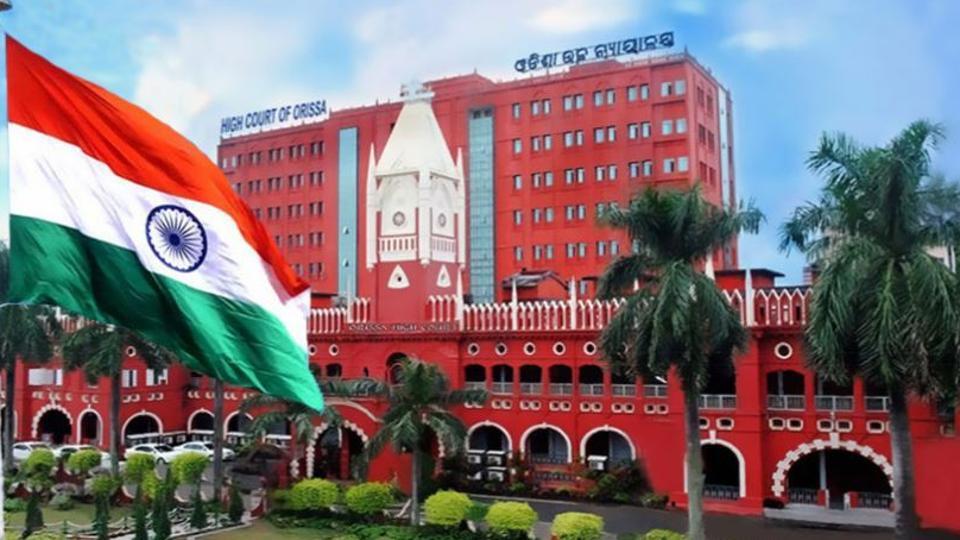
Justice Biraja Prasanna Satapathy while delivering the judgment in a petition filed by the wife of the deceased held that the prison authorities failed to provide adequate medical treatment to the undertrial despite knowing he was a chronic diabetic patient.
“This Court is of the view that by the time direction was issued to shift the UTP (undertrial prisoner) for better treatment, his health condition had already deteriorated,” the court noted in its order on Tuesday, adding that the claim made by petitioner Sabita Nishank for compensation on grounds of negligence by jail authorities was “well proved”.
Emphasising that the right to health is an integral part of the right to life guaranteed under Article 21, particularly for prisoners who are deprived of personal liberty and completely dependent on jail authorities for medical care, the judge noted that custodial deaths due to medical negligence represent a serious violation of constitutional rights and warrant appropriate compensation.
The petitioner had moved the high court seeking ₹50 lakh compensation for the death of her husband, who was working as a panchayat executive officer in Opega and Pansora gram panchayats before his arrest. He was remanded to judicial custody on September 20, 2016, in connection with a case involving charges under Sections 409 (criminal breach of trust by public servant), 120(B) (criminal conspiracy), and 34 (criminal act done by multiple people) of the erstwhile IPC.
According to the petition, the prisonerhad been suffering from chronic diabetes since 2008, a fact known to the jail authorities. Despite this knowledge, he was not provided proper treatment for his blood sugar condition during his incarceration. His health deteriorated significantly, prompting his wife to move an application before the judicial magistrate first class, Pipili, on January 21, 2017, requesting proper medical treatment for her husband who had been in custody since September 2016, the petition said.
The court noted that only after the petitioner’s intervention did the jail authorities take action. On January 24, 2017, the superintendent of Nimapara sub-jail wrote to the JMFC requesting that the undertrial prisoner be shifted to the district headquarters hospital, Puri, for better treatment.
However, by the time he was transferred to the district hospital on January 25, 2017, his condition had already deteriorated severely. He was subsequently referred to SCB Medical College and Hospital in Cuttack on the same day, but died the following day on January 26, while undergoing treatment.
In its judgment, the high court noted that the jail authorities demonstrated serious laxity in providing adequate medical care.