
 E-Paper



‘Question of Hindi being imposed does not arise,’ says K Kasturirangan
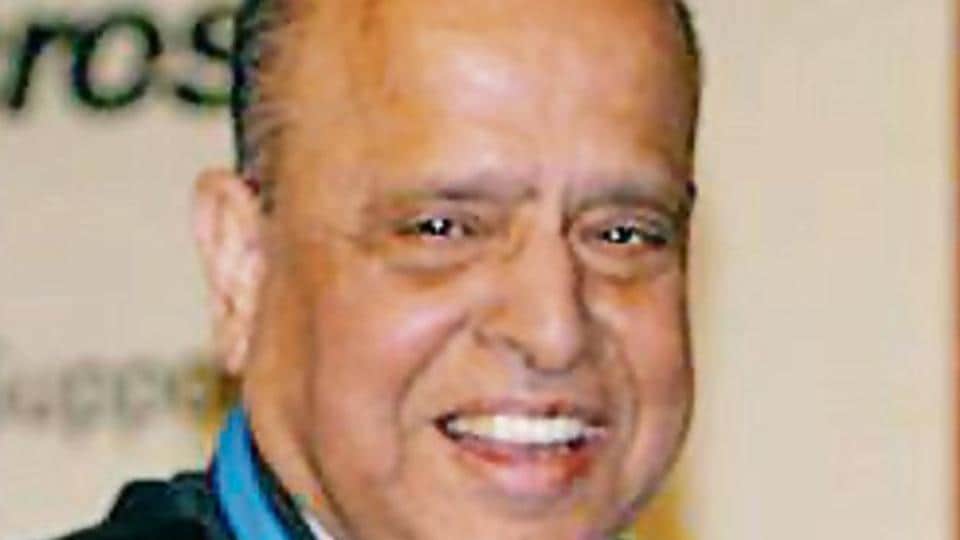
Former chairperson of Indian Space Research Organisation (ISRO) K Kasturirangan, who is the chairman of the committee that created the draft New Education Policy (NEP), spoke to Amandeep Shukla about the future of education in India

 Prefer HTon Google


Former chairperson of Indian Space Research Organisation (ISRO) K Kasturirangan, who is the chairman of the committee that created the draft New Education Policy (NEP), spoke to Amandeep Shukla about the future of education in India and the controversy surrounding the alleged imposition of Hindi in the original text of the draft policy. Edited excerpts:
Q. What is the overall gist, the overall message at the heart of the draft policy?
We are formulating this policy, which they will finalise after inputs from the public after around 25 years of the last policy. Twenty-five years ago, when the policy was formulated, it was not even the beginning of the Internet era. This is the first policy in the era of the Internet that has tremendous implications from the various aspects of national and international endeavours , particularly in education -- in the context of teachers’ training, student enrichment, management, and other operations.... This is the time for a new policy to address these developments.
Also Read | No coercion, states to decide about teaching Hindi, says Kasturirangan
Q. Do you think we can have our institutions can be in the top 100 in the world in the coming years?
We are trying to ensure that we have a higher education system that will come up under three categories. First, you have research universities -- these will have teaching as an important area but research will be the dominant activity. About 100 to 200 in the next 20 years should be like what you have in Stanford and MIT.... Second, you will have teaching universities with research. We need 2000-3000 universities of this kind. Third is colleges, about 20,000, similar to community colleges in United States. They can be undergraduate colleges but with fairly strong educational curriculum and pedagogy...
Q. This controversy over language seems to have overtaken many important issues you have mentioned in the report?
If you read that entire section on languages policy, it has many dimensions related to how a child picks up a language, the early introduction of languages, and language comprehension capability. Then there is the question of the three-language formula. There is a question of classical languages, Schedule 8 languages, and there is question of creating translation and books in all the local languages. There are several points we have addressed because we wanted it to be a very comprehensive enunciation of a policy for the languages.
Within that was the three-language formula. The three language formula applicable to the states originally, it is applicable even now....
We have taken an overarching view that states will have the necessary prerogative to decide on the choice of languages....This is the spirit of the language policy chapter. It had a little misstep, with that particular paragraph, compared to the overall spirit of the language policy. We had an alternative formulation, that was also approved... There is no question of coercion, it is for the states to decide. The question of Hindi being imposed does not arise.
Also Read | Government tweaks Hindi planamid southern pressure
Q. Did the committee decide to change the formulation or was there a recommendation by the government?
The committee did it unilaterally. One thing is great -- the committee has been given all the freedom to decide the formulation of the policy. I should complement the system, the government; at no point were they trying to tell us do this or do that.


