E-Paper



Rail order to X to remove video of woman driving on tracks isolated case of misuse: Govt
Tushar Mehta told the HC said this “isolated incident” did not undermine the overall objective of the Centre’s Sahyog portal to streamline regulation of online intermediaries

 Prefer HTon Google


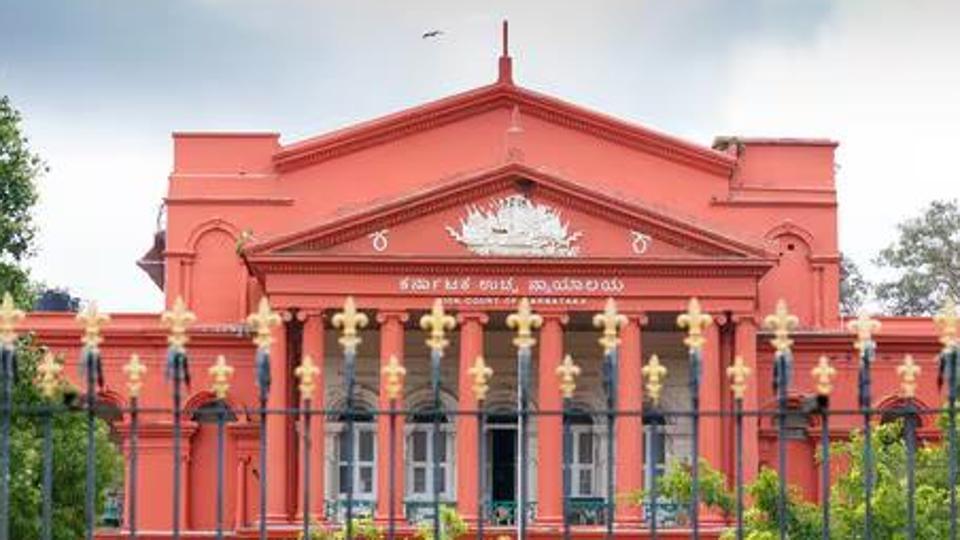
BENGALURU: The union government on Tuesday acknowledged in the Karnataka high court on Tuesday that a recent takedown notice issued by the railways to social media platform X over a video showing a woman driving on railway tracks in Telangana was a misuse of statutory powers but stressed it was an isolated incident.
Solicitor general Tushar Mehta said this “isolated incident” did not undermine the overall objective of the Centre’s Sahyog portal to streamline the regulation of online intermediaries.
“Misuse of a provision does not render it unconstitutional,” Mehta said, opposing a petition filed by X Corp against the union government’s Sahyog Portal on the ground that the portal opens doors for “indiscriminate censorship.”
Senior advocate KG Raghavan, appearing for X, told a bench of justice M Nagaprasanna on Tuesday that Sahyog Portal was designed to facilitate the communication of takedown notices by government officials to social media intermediaries and streamline the process of content removal. The portal, Raghavan said, uses Section 79(3)(b) of the Information Technology Act that deals with the liability of intermediaries for third-party content and mandates that intermediaries can lose their ‘safe harbour’ protection if they fail to remove unlawful content. However, the problem was that the portal left the definition of ‘unlawful’ content to the discretion of the countless government officials, Raghavan told the court.
In this context, he referred to a recent notice received from the railways asking X to remove a viral video of a woman driving on railway tracks. “It made news because the woman drove the car for some seven kilometres on the rail track. Obviously, users shared the video. But how is that video unlawful?” Raghavan asked, adding that such take down notice showed how powers under Section 79(3)(b) can be misused arbitrarily, without checks.
It was then that Mehta argued that the notice by the railways was an isolated incident of misuse. “It is one incident. That does not mean the entire law is unconstitutional,” he said.
Mehta further argued that Raghavan’s arguments only reflected the perspective of X and failed to present the larger picture.
“He views the issue from an X-centric perspective. I as the union government, however, have to look at it from the standpoint of an intermediary. And I can justify it (the take down notices and the Sahyog Portal empowering Centre’s officials to issue such notices). Suppose a defamatory post is published against me. The government informs the intermediary that the content is defamatory and asks for its removal under Rule 3(1)(d) of the IT Act. If the content is not taken down, and I approach the court, Twitter can claim that it is merely a platform and cannot be held liable… I say that Twitter, or any intermediary, enjoys a special exemption under Section 79(1) of the IT Act. The nature of the medium matters,” Mehta said, contrasting this exemption with the accountability of the Press for information put out by them.
Section 79 of the IT Act protects platforms such as X from liability for user content, provided they comply with takedown requests within 36 hours of receiving the official notice. X, however, has argued that this provision has been misused to create a parallel blocking mechanism that violates the Supreme Court’s judgment in the case of Shreya Singhal vs Union of India, which provides for orders for content removal only under a defined process established under the IT Act.
Raghavan stressed that Section 79(3)(b) should not be treated as a standalone takedown power but must be read with the safeguards built into Section 69A, as interpreted in the Supreme Court’s Shreya Singhal judgment.
The court will next hear the case on July 11.