
 E-Paper



Robust agriculture growth partly due to low base effect
India’s farm growth clocked 4.5% in the April-June quarter of 2022-23 on an annual basis, official GDP data on Wednesday showed, reflecting robust expansion. However, there is more in the statistic than meets the eye.

 Prefer HTon Google


India’s farm growth clocked 4.5% in the April-June quarter of 2022-23 on an annual basis, official GDP data on Wednesday showed, reflecting robust expansion. However, there is more in the statistic than meets the eye.
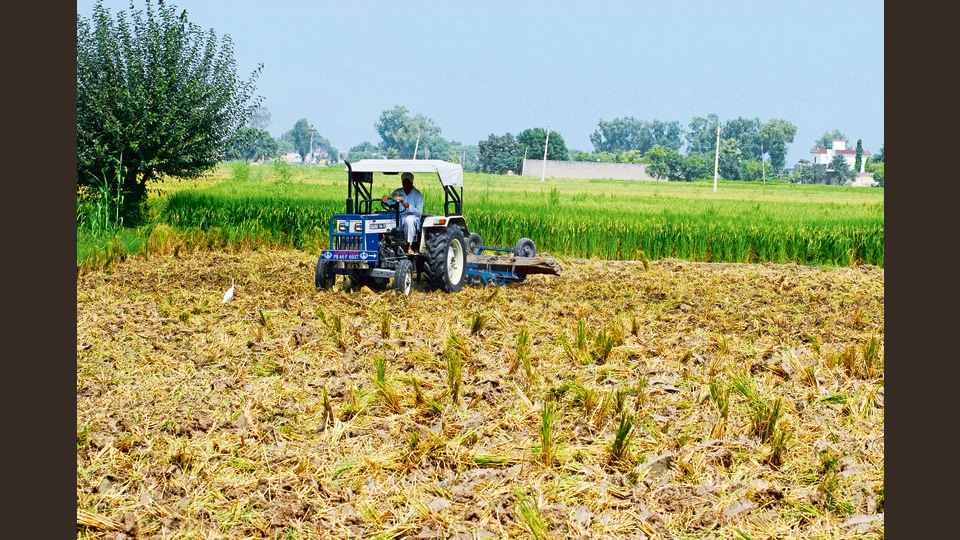
The agricultural GDP growth rate comes on the back of good winter-sown harvests and higher food prices. But it was also driven by a favourable base, meaning the 4.5% increase was partly due to poor growth registered in the corresponding quarter of the previous year (2021-22). GDP is the most widely used measure of incomes generated in the economy.
The base effect, which was at play, is a statistical outcome that makes any economic value, such as GDP or inflation, appear high if it had been compared to a previous corresponding period when the value was too low and vice-versa. Farm growth in the April-June quarter of the previous fiscal (2021-22) was just 2.2%. The latest growth rate comes in comparison to this “low base”.
The economy as a whole grew 13.5% during April-June 2022-23, lower than expectations, according to the data.
The bright spot is that sequentially, farm growth has been above 4%. This means steady expansion of the sector for two straight quarters. In the immediately preceding quarter i.e. January-March 2021-22, farm GDP was 4.1%. Generally, for the economy as a whole to grow at 8% or so, farm growth needs to be above the 4% level.
Higher farm growth denotes better incomes for farmers. But increasing cultivation costs have dented earnings and spending by rural consumers.
“Urban demand is getting support from contact-intensive services while rural demand has not responded to robust agriculture output growth,” said Soumya Kanti Ghosh, group chief economic advisor of State Bank of India, in a research note.


