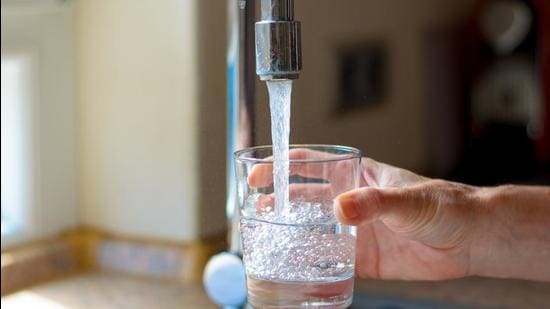
Tap water supplied to households in Goa contains potentially hazardous levels of microplastics, a study conducted by the National Institute of Oceanography (NIO) and Toxics Link, an environmental group, has found.
Microplastics are microscopic fragments, fibres or particles of plastic less than 5mm in length and are a major source of marine pollution due to their toxic potential.
The study said although the water treatment process may reduce a portion of the microplastics, some still remain. “However, although there is no documented evidence till date that ingesting microplastics can directly harm human health, the potential threat of microplastics cannot be ignored,” a report based on the study released on Wednesday said. It added the treated water contained on average between 1-3.8 microplastics per litre.
Also Read | Rape undertrials stripped, made to do sit-ups: Goa orders inquiry
NIO’s principal scientist, Mahua Saha, said 26 types of polymers were detected in the water samples, which indicated contamination from different plastic products and sources. “This is shocking and raises serious concerns about microplastic exposure for citizens and its larger impact on health.”
{{/usCountry}}NIO’s principal scientist, Mahua Saha, said 26 types of polymers were detected in the water samples, which indicated contamination from different plastic products and sources. “This is shocking and raises serious concerns about microplastic exposure for citizens and its larger impact on health.”
{{/usCountry}}Packaging materials, fishing nets, PVC pipes, cloth fibres, tyre bits may be the sources for the most microplastic materials obtained during the study, the report said and blamed mismanaged solid waste and lack of effective wastewater treatment facilities for it.
Both pre-treated and post-treated water was assessed for the study. The levels of microplastics in pre-treated water were higher than that which was supplied. Treatment methods didn’t completely eliminate the presence of microplastics.
“Fibre was the most dominant category found in both tap water and treatment plants samples,” Saha said. Fibre, fragments and film microplastics were also found.
The researchers have called for more research to understand the extent and prevalence of microplastics especially in towns that are known for being located next to industrial and manufacturing hubs.
“This study was initially meant to be collecting samples from cities across the country but on account of the stringent lockdown last year, we could not get the samples and as a result, we have restricted it to Goa,” said Satish Sinha, associate director, Toxics Link.
Unlike other pollutants, there is no accepted safe limit of microplastics in drinking water with research yet to establish whether any amount of microplastics could be considered safe for drinking.
“Several other toxic chemicals get attached to the surface of the microplastic and add to the overall toxicity of the water,” Saha said.