
 E-Paper



Waqf: Muslim leaders welcome partial relief from SC, say ‘fight will continue’
The matter will now be taken up by a larger bench, which will examine the constitutional validity of the contested provisions in detail.

 Prefer HTon Google


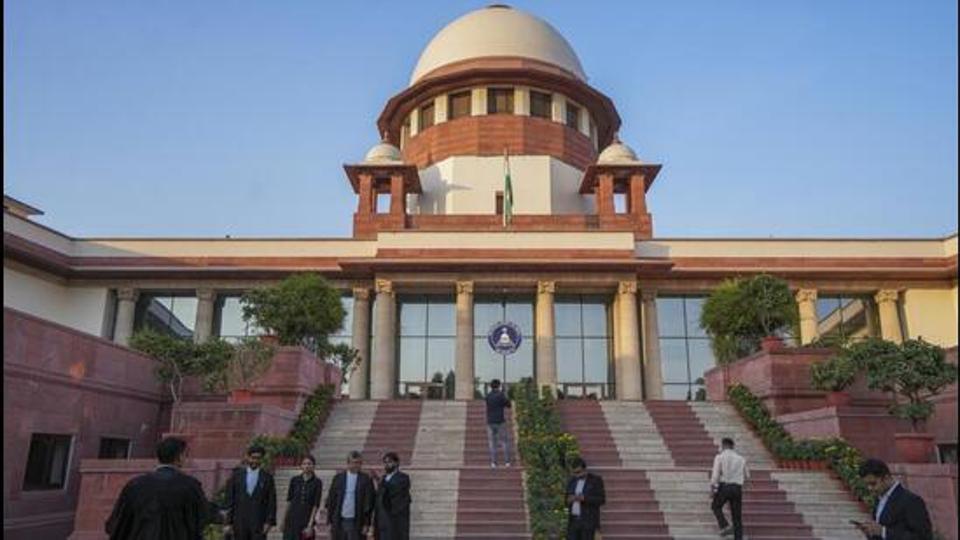
The Supreme Court’s interim order on the Waqf (Amendment) Act, 2025, on Monday triggered a series of sharp responses from political leaders and Muslim organisations, most of whom welcomed the partial relief but insisted their demand remains for the law to be struck down in its entirety.
AIMIM president Asaduddin Owaisi said the ruling was “a positive step” but insufficient. “The five-year condition and the ban on the arbitrary power of the collector brought relief to the Muslim community. But the appointment of non-Muslim members is still a matter of concern. Our fight will continue, as this law violates religious freedom,” he said.
The All India Muslim Personal Law Board (AIMPLB), one of the petitioners, also called the order significant. Spokesperson Syed Qasim Rasool Ilyas noted, “We had hoped that the court would stay the controversial provisions, and that is what happened. This is a relief, but our fight will continue. Waqf is Allah’s property, interference in it is not tolerated.” From Lucknow, AIMPLB member Maulana Khalid Rasheed Firangi Mahali described the ruling as “substantial” but emphasised that the demand for a stay on the entire law remains.
Congress MP Imran Pratapgarhi said, “Thank you Supreme Court for the interim relief. The court raised almost all the issues that were in our petition. But limiting the number of non-Muslim members did not solve the entire problem. Our fight will continue. This law is a violation of constitutional rights.”
Jamiat Ulema-e-Hind president Maulana Mahmood Madani said the order addressed concerns about executive overreach but did not end the organisation’s opposition. “The court has protected the waqf properties and prevented the executive from taking a judicial role. But we are not satisfied. The provision of non-Muslim members is interference in Muslim affairs. Our fight will continue in the Supreme Court so that the sanctity of the waqf is maintained.”
AAP MLA Amanatullah Khan posted that he was “thankful to the Supreme Court, judges and advocates who rose above religion and protected the country,” adding that the Act “was an attack on the rights of Muslims” and that the legal struggle would persist. All India Muslim Jamaat president Maulana Shahabuddin Razvi Barelvi meanwhile said the ruling would help recover illegally occupied waqf lands, which could then be used for schools, colleges, hospitals and other welfare purposes.
The bench of Chief Justice BR Gavai and Justice Augustine George Masih stayed the clause requiring a person to be a practising Muslim for at least five years to create a waqf, citing the lack of a mechanism for verification. It also halted provisions that gave Collectors powers to determine whether waqf properties encroached on government land and to alter revenue records, observing that executive officers could not be given judicial functions. The Court further ruled that the number of non-Muslim members in State Waqf Boards must not exceed three, and in the Central Waqf Council not more than four.
At the same time, the bench declined to suspend the Act as a whole, reiterating the presumption of constitutionality. It left undisturbed the provision that allows a non-Muslim to serve as CEO of a waqf board, with the caveat that “as far as possible” a Muslim be appointed, and did not interfere with the requirement of registering waqfs, including those established by user, noting that similar provisions existed in earlier laws.
Parliament passed the Waqf (Amendment) Act in April, and the President gave assent soon after. The Centre has defended the law as an attempt to bring transparency to the management of waqf estates and prevent misuse. Petitioners argue it undermines religious autonomy and constitutional guarantees.
The matter will now be taken up by a larger bench, which will examine the constitutional validity of the contested provisions in detail.


