India’s foreign ministry is working on a plan to supply over 160 million doses of Covid-19 vaccines to 60 countries and Unicef by the end of March, people familiar with the matter said on Saturday. The vaccine supplies include about 10 million doses in gifts, which in the first round, focused on India’s extended neighbourhood.
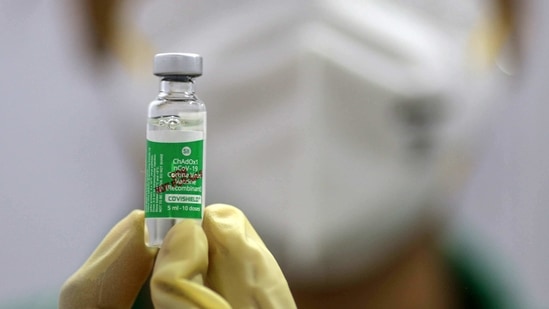
India has received formal and informal requests for the vaccine from 60 countries that are home to more than one-fifth of humanity, an external affairs ministry official said.
According to available figures, India’s Serum Institute has already dispatched 14.5 million doses of the vaccine to 11 countries. Apart from countries in the neighbourhood, the recipients for the shot developed by AstraZeneca and Oxford University include Brazil and Morocco, who were supplied on a commercial basis. The external affairs ministry targets dispatching a total of 33 million doses this month.
"There are as many as 30 countries who have written to India formally and an equal number who have asked for the vaccine informally. Then there are countries like Afghanistan who have done neither but India is committed to supplying. We are planning to send 10 million doses to Africa alone. The 30 countries that have formally asked India for vaccine include Nepal, Bangladesh, Myanmar, Sri Lanka, Cambodia, Serbia, Guyana (CARICOM), Egypt, Morocco, Maldives, Mauritius, Bahrain, Oman, UAE, Iran, Brazil, Dominica, Antigua and Barbuda, Barbados, St Kitts and Nevis, Mongolia, Ukraine, Uzbekistan, Philippines, Algeria, Tunisia, South Africa, Botswana, Eswatini and Kenya," a top government official said.
Also read | Now, SII seeks trial approval for Novavax Covid vaccine
{{/usCountry}}Also read | Now, SII seeks trial approval for Novavax Covid vaccine
{{/usCountry}}In February, according to documents seen by HT, India intends to fly 60 million doses to friendly countries across the world, right from Saudi Arabia in the Middle East, Papua New Guinea in the southwestern Pacific Ocean to Nauru, the world’s smallest island nation near Australia. In March, HT learned that India hopes to fly out nearly 80 million doses. Nearly half of the 160 million doses would be routed through Unicef.
An official said the numbers are tentative and could change once the final regulatory approvals come.
In addition to the Oxford-AstraZeneca vaccine, which is marketed as Covishield in India by the Pune-headquartered Serum Institute, India is using Covaxin developed by Hyderabad-based Bharat Biotech. This vaccine has not yet reached the trial endpoint to determine efficacy rate.
India rolled out its domestic Covid-19 vaccination programme on January 16 and almost simultaneously, started sending supplies to neighbouring countries and others, both as gifts and on a commercial basis.
Prime Minister Narendra Modi this week promised to keep the vaccines flowing. "Today by sending vaccines to various countries... we are saving the lives of citizens in other countries also," PM Modi said in his address to the annual World Economic Forum in Davos.
Also read | Sri Lankan President Rajapaksa thanks PM Modi for Covid-19 vaccines
When UN Secretary-General Antonio Gutteres described India’s vaccine production capacity as the “best asset that the world has”, external affairs minister S Jaishankar promptly promised that New Delhi would deliver: “You can count on the Pharmacy of the World to help overcome the Covid-19 challenge”.
India - home to the world's largest vaccine manufacturer, the Serum Institute of India - has vaccinated close to 3.5 million health care workers and aims to inoculate 300 million people including health care workers, frontline workers, and those at high risk till July-August.