
 E-Paper



India’s IS catch Majeed saw training up close
The Paris attackers could have been part of Islamic State’s ‘Ishteshadi’ force, members of which are trained to first exhaust all ammunition at the target site from an area weapon like an AK-47 assault rifle and then blow themselves up on the spot like a ‘Ighemasi’ (suicide bomber).


The Paris attackers could have been part of Islamic State’s ‘Ishteshadi’ force, members of which are trained to first exhaust all ammunition at the target site from an area weapon like an AK-47 assault rifle and then blow themselves up on the spot like a ‘Ighemasi’ (suicide bomber).
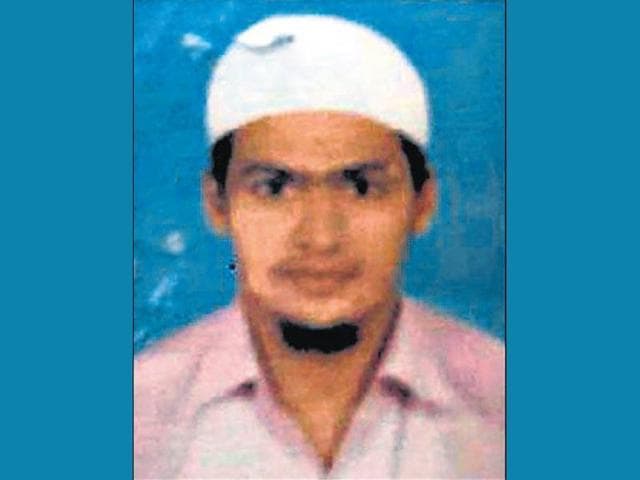
The form and function of the ‘Ishteshadi’ (fight unto death) force was revealed to Indian interrogators by Kalyan-born Areeb Majeed who was part of this elite force till he returned to India on November 28, 2014. Majeed is currently in Arthur Road jail serving a sentence of waging war against friendly countries.
With evidence emerging that the Paris attackers were part of a module from Syria, it is evident that war against France was planned by IS leaders in held territories of Iraq and Syria. According to principal interrogators of Majeed, the Paris attack is a standard operating procedure for the ‘Ishteshadi’ force. Majeed was part of four-man Kalyan group that entered Iraq on May 23, 2013.
While Shaheen Tanki was killed in an ‘Ighemasi’ operation on November 28, Majeed tried to blow himself four times during IS operations in Syria and Iraq. The remaining two, Aman Tandel and Fahad Sheikh, are not part of fighting and work in military research departments in Raqqa, Syria.
According to Majeed, IS commanders hand over an assault rifle to each recruit who come to the so-called Caliphate of Syria and Levant at Raqqa, sometimes with their families. This is followed by basic military training for 40-50 days. It is from this training that the ‘Ishteshadi’ fighters are selected for urban guerrilla warfare with training in use of hand-held missile launchers, M-16 and AK-47 assault rifles and assembly of explosive devices using military-grade explosives. As IS fighters do not use their real names, Majeed who went by the name of Abu Ali Al Hindi in Iraq and Syria, says he saw some Indian youth “from north India” in the suicide squad.
Given the military training and capabilities of IS fighters, a broad consensus has emerged at the top level of Indian police on counter-retaliation in case of a 26/11 or 13/11 attack in India. “If French police had waited like the Indian NSG did for 60 hours to complete 26/11, then all would have died in Bataclan in Paris. Hostage or no hostage, retaliation will be immediate. The Paris attack is validation of a 26/11 terror model,” said a national security expert.


