E-Paper



Nepal’s sudden change in plans suggests bad blood with India
The Nepal government’s sudden decision to cancel President Bidhya Devi Bhandari’s visit to India and recall its ambassador from New Delhi is likely to impact bilateral ties, according to experts.

 Prefer HTon Google


The Nepal government’s sudden decision to cancel President Bidhya Devi Bhandari’s visit to India and recall its ambassador from New Delhi on Friday is likely to impact bilateral ties.
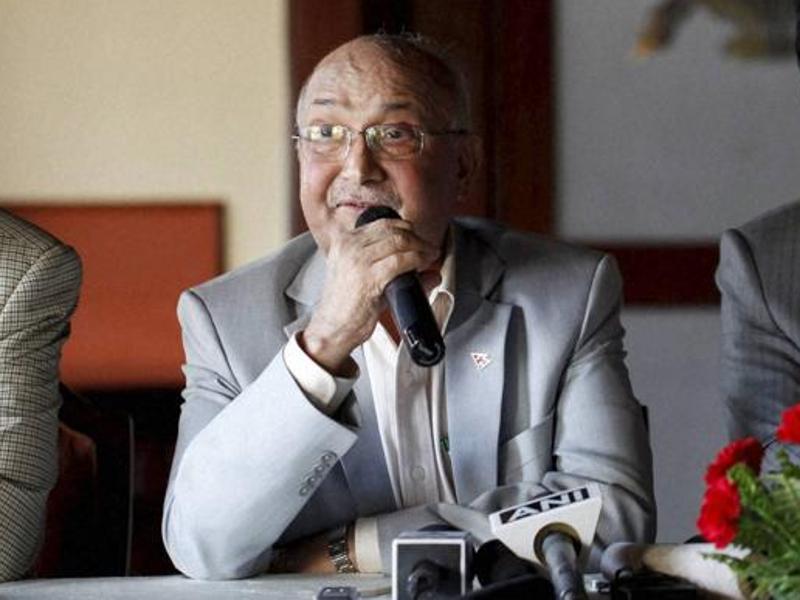
The move came just a day after Prime Minister KP Sharma Oli’s government was nearly toppled by coalition partner Maoists with support from the Nepali Congress, the main opposition.
“Naturally, cancellation of Bhandari’s visit at the 11th hour amid insinuations in Kathmandu that New Delhi could have been responsible for the move to oust Oli, will result in ties getting affected,” Lok Raj Baral, a former Nepali ambassador to India, said.
Bhandari’s five-day visit was on an invitation by President Pranab Mukherjee. She was scheduled to hold high-level discussions, sign three agreements and also visit the Kumbh Mela in Ujjain, beginning on Monday.
Read | Nepal Pres’s India visit cancelled amid political twists and turns
Nepal’s foreign ministry told Indian ambassador to Nepal, Ranjit Rae, the visit was cancelled due to a lack of preparations on their side, and also because the country’s budget session is underway.
“Since the move to remove him came after recent visits to New Delhi by Nepali Congress president Sher Bahadur Deuba and Maoist leader Krishna Bahadur Mahara, Oli may have concluded India is responsible,” Baral said.
Nepal’s ambassador to India, Deep Kumar Upadhyay, was appointed by Oli’s predecessor Sushil Koirala. The Nepali Congress leader was ordered back when he called the prime minister to express displeasure over Bhandari’s visit being cancelled.
Read | Nepal cancels president’s visit to India, recalls ambassador
Foreign ministry officials, on the condition of anonymity, told journalists that the ambassador was recalled for non-cooperation and alleged involvement in Oli’s ouster.
Senior journalist Kunda Dixit, publisher and editor of Nepali Times, feels the government’s moves shows Oli’s brinkmanship in handling relations with their southern neighbour.
“After what we went through during the five-month long border blockade, it was logical to de-escalate tensions between both nations, but the government’s decisions have made it worse,” Dixit said.
Apart from trying to snub India, “rivalry and distrust” between Nepali Congress and Oli’s Communist Party of Nepal (Unified Marxist Leninist) also played a role in the developments, some experts said.
Nepal-India ties had soared to new heights in 2014 following two visits by Prime Minister Narendra Modi. But they nosedived last year during the five-month long border blockade imposed by Madhesis in protest against the new constitution. The blockade resulted in severe scarcity of goods especially fuel from September last year to February, leading to deep resentment in the government.
Though Oli and several ministers accused India of imposing the blockade to support the Madhesis, New Delhi denied playing any role in the matter.