There’s poison in the Darjeeling air and your lungs are safer in Kolkata than in the Queen of the Hills, scientists have claimed in a recent study.
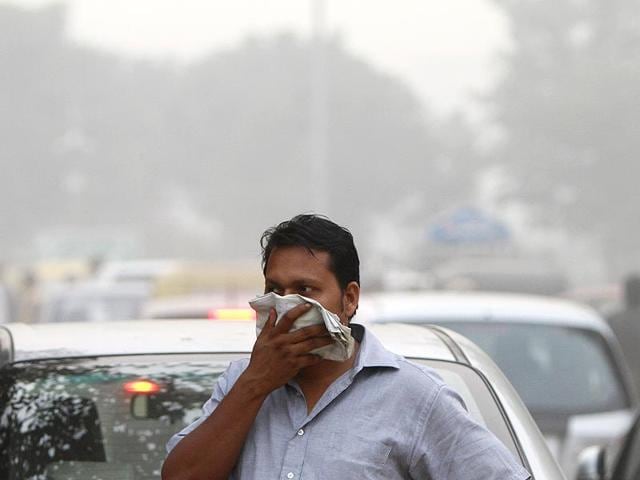
A team of environmental scientists from the Bose Institute in Kolkata and the National Environmental Engineering Research Institute (NEERI) has revealed that the air over Darjeeling has high levels of Volatile Organic Compounds (VOC) - much higher than the air over the residential areas in Kolkata, Delhi or Mumbai. “VOCs are a group of carbon-based chemicals such as Benzene, Toluene, Ethylbenzene and Xylene that easily evaporate at room temperature. Vehicular pollution is the main source of such compounds. They have significant impacts both on human health and on the environment,” said Abhijit Chatterjee, leader of the team that conducted the study.
Exposure to some of these VOCs like Toluene, Ethylbenzene and Xylene can lead to a variety of health problems such as red eyes, nose irritants and even damaged liver and kidneys. What’s more worrisome is that these VOCs also help in the generation of ozone at the ground level, popularly known as ‘bad ozone’, which in turn can cause bronchial and cardiac problems.
Dr P Das, who has been practicing medicine in Darjeeling for the last seven years, said, “Patients with upper respiratory tract infections have definitely increased in the hills in recent times.”
Director of Bose Institute S Raha said, “Equipment stationed in upper reaches of Darjeeling are taking data continuously. The ones taken between July 2011 and June 2012 were analysed to study the concentration level of 18 VOCs. Dipanjali Majumdar of NEERI said that concentrations of these compounds reached its peak during the post-monsoon season.
Chirantan Sakar, a member of the team, said that a major source of VOC was emission from petrol and diesel vehicles. Sources in the RTO office of Darjeeling said that over the past decade, the number of vehicles coming to Darjeeling everyday have increased by at least five times. Around 3 lakh domestic tourists and 30,000 international travellers visit Darjeeling every year, so one can gauge the number of vehicles required to transport them.
{{/usCountry}}Chirantan Sakar, a member of the team, said that a major source of VOC was emission from petrol and diesel vehicles. Sources in the RTO office of Darjeeling said that over the past decade, the number of vehicles coming to Darjeeling everyday have increased by at least five times. Around 3 lakh domestic tourists and 30,000 international travellers visit Darjeeling every year, so one can gauge the number of vehicles required to transport them.
{{/usCountry}}