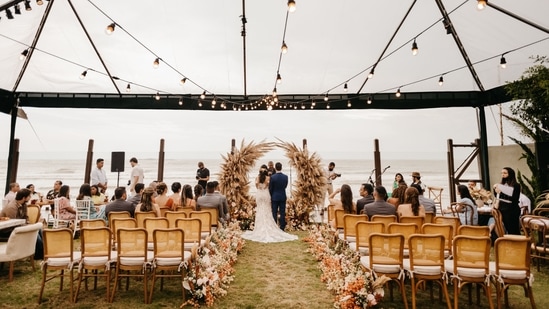
In India, a wedding is much more than a celebration. It is an emotional milestone, a coming together of families, cultures and traditions. In many ways, planning a wedding is almost like building a home. The scale, the investment and the priorities are deeply personal. In an interview with HT Lifestyle, Jai Sharma, founder of Envelop, explained how to set financial priorities.
Also read | How to choose the perfect photographer and videographer to capture every cherished moment on your wedding
How much should you really spend on weddings?
“For me, the conversation should never begin with how much a wedding should cost, but rather with what you want your wedding to feel like and what you are comfortable spending to achieve that,” said Sharma.
Set a budget
“My first advice to any family would be to establish an overall budget before beginning the planning process,” said Sharma. Once that number is defined, the next step is to distribute it thoughtfully across different aspects of the celebration: hospitality, venues, food and beverage, design and décor, entertainment, photography, planning, fashion, jewellery and other personal expenses.
{{/usCountry}}“My first advice to any family would be to establish an overall budget before beginning the planning process,” said Sharma. Once that number is defined, the next step is to distribute it thoughtfully across different aspects of the celebration: hospitality, venues, food and beverage, design and décor, entertainment, photography, planning, fashion, jewellery and other personal expenses.
{{/usCountry}}There is no fixed formula for this distribution either. Some families may prioritise exceptional hospitality and culinary experiences, while others may want to invest in elaborate design, entertainment or intimate, highly personalised celebrations. What matters is understanding which elements hold the greatest emotional value for you.
According to Sharma, a meaningful experience does not necessarily have to be extravagant, just as a larger budget does not automatically translate into a more memorable celebration. It is the thought, intention, and coherence behind the experience that ultimately make the difference.
Consider what matters
“I also believe families should distinguish between what they genuinely value and what they feel pressured to include,” highlighted Sharma. Weddings can very easily become an exercise in comparison, where expenditure is driven by expectations rather than personal choices.
Ultimately, the right amount to spend on a wedding is an amount that allows you to celebrate the way you envision, without compromising your financial comfort. A well-planned wedding isn’t necessarily one where you’ve spent the most, but one where every investment feels intentional, meaningful and true to the people celebrating it.
Note for the readers: This article is for informational purposes only and should not be considered a substitute for professional advice.