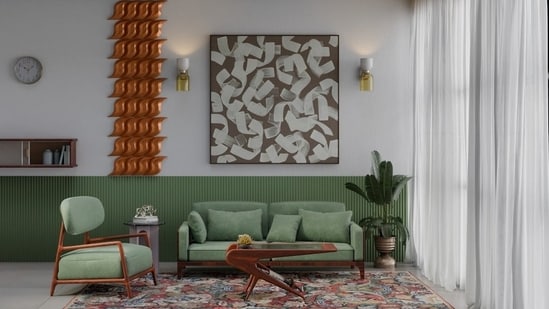
What makes a home luxurious? Is it expensive artwork, statement furniture, or extravagant ceilings and lighting? These elements may have their own sense of grandeur, but they do not, by default, make your space elegant. Some minor choices can actually make your expensive space appear shockingly ordinary.ALSO READ: Guests arriving soon? Check these quick decor styling hacks to make your home look presentable
Hardesh Chawla, founder and CEO of Essentia Group, helped identify what truly makes the cut. Drawing from his experience in the industry and his observations of what does not work, he shared his practical insights into the mistakes that can make even a luxury home look ordinary.
So, how can a luxury home be defined? He said, “A luxury home is defined by how effortlessly it balances aesthetics, functionality, and sensory appeal. Even the most carefully designed spaces can feel ordinary when a few key details are overlooked.”
A luxury home is rooted in practicality and sensory experience. Even the most expensive decor can fall flat as it lacks the essential warmth and a wider, cohesive vision.
1. Ignoring fragrance:
- A home without a signature scent, or one filled with harsh artificial air fresheners, loses its sense of sophistication almost immediately.
- Scent is one of the first things a guest registers, often before they have consciously looked at the room.
2. Carpets wrong
- Rugs that are undersized, poorly positioned, or made from low-quality material throw off the proportions of a room.
- The wrong rug size quietly undercut its elegance, no matter how good the furniture around it is.
3. Choosing mass-produced furniture
- Leaning too heavily on mass-produced furniture instead of investing in customisation.
- Made-to-order furniture, tailored storage, and personalised finishes are what make a home feel considered rather than assembled from a catalogue.
4. Ignoring multifunctionality
- Luxury today is also about practicality.
- Spaces and furniture need to combine aesthetics with practicality, offering smart storage and adaptable use without compromising on style.
5. Soft furnishings
- Curtains, upholstery, cushions, and throws are often treated as an afterthought, yet premium fabric, layered texture, and well-coordinated textiles are what bring warmth and depth to a room.
- When designing a room, also add furnishings to the initial plan.
- Most expensive interiors fall flat with the wrong furnishings.
3. Choosing mass-produced furniture
- Leaning too heavily on mass-produced furniture instead of investing in customisation.
- Made-to-order furniture, tailored storage, and personalised finishes are what make a home feel considered rather than assembled from a catalogue.
4. Ignoring multifunctionality
- Luxury today is also about practicality.
- Spaces and furniture need to combine aesthetics with practicality, offering smart storage and adaptable use without compromising on style.
5. Soft furnishings
- Curtains, upholstery, cushions, and throws are often treated as an afterthought, yet premium fabric, layered texture, and well-coordinated textiles are what bring warmth and depth to a room.
- When designing a room, also add furnishings to the initial plan.
- Most expensive interiors fall flat with the wrong furnishings.
We can deduce that luxury is a sensory experience that hefty price tags alone cannot buy. This means you need to be intentional with every aspect of your interior curation. Solely adding an item because it is exorbitant won't make your space look excellent.