
 E-Paper



Quote of the day by Oscar Wilde: ‘To live is the rarest thing in the world. Most people exist, that is all’

 Prefer HTon Google


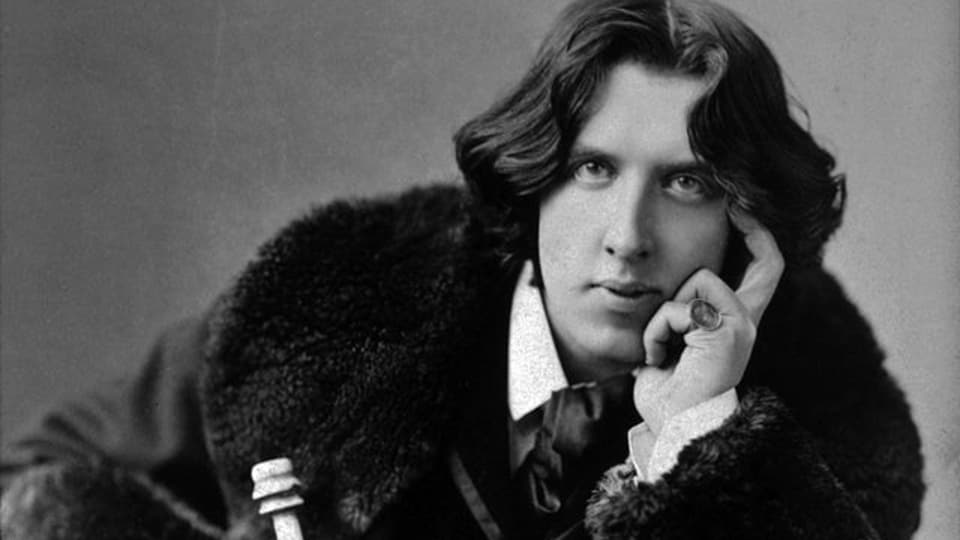
Oscar Wilde's words emphasises the importance of emotional presence and conscious intention in life, rather than surviving in autopilot.
Today’s quote of the day is, “To live is the rarest thing in the world. Most people exist, that is all.” These striking words come from the pen of Oscar Wilde, one of literature’s sharpest observers of society, individuality and human hypocrisy. Known for his wit and philosophical depth, Wilde often used deceptively simple language to challenge deeply ingrained social norms - and this quote is no exception.
Also Read | Quote of the day by Sachin Tendulkar: ‘People throw stones at you, and you convert them into milestones’
The line appears in Wilde’s 1891 essay The Soul of Man Under Socialism, a work in which he critiques rigid social structures, materialism and the ways in which society suppresses individual creativity and freedom. While the essay is political in nature, this particular line transcends its original context. It speaks less about economic systems and more about the human condition - about how easily people slip into routines, expectations and survival modes without ever fully engaging with life itself - highlighting the distinction between merely getting through life and truly living it.

Today’s quote of the day is, “To live is the rarest thing in the world. Most people exist, that is all.” These striking words come from the pen of Oscar Wilde, one of literature’s sharpest observers of society, individuality and human hypocrisy. Known for his wit and philosophical depth, Wilde often used deceptively simple language to challenge deeply ingrained social norms - and this quote is no exception.
Also Read | Quote of the day by Sachin Tendulkar: ‘People throw stones at you, and you convert them into milestones’
The line appears in Wilde’s 1891 essay The Soul of Man Under Socialism, a work in which he critiques rigid social structures, materialism and the ways in which society suppresses individual creativity and freedom. While the essay is political in nature, this particular line transcends its original context. It speaks less about economic systems and more about the human condition - about how easily people slip into routines, expectations and survival modes without ever fully engaging with life itself - highlighting the distinction between merely getting through life and truly living it.
What does the quote mean?
At its core, Wilde’s quote draws a sharp line between existing and living. To exist is to go through daily routines - to wake up, work, fulfil obligations and repeat the cycle without reflection or joy. To live, on the other hand, implies intention, awareness and emotional presence. It means feeling deeply, choosing consciously and engaging with the world beyond necessity.
Wilde suggests that truly living requires courage: the courage to think independently, to feel fully, to pursue beauty, love, creativity and meaning - even when society rewards conformity and routine. Most people, he implies, settle for existence because it is safer. Living demands risk: emotional vulnerability, intellectual honesty and a willingness to step outside prescribed roles.
Why is it relevant today?
In today’s hyperconnected yet emotionally fragmented world, Wilde’s observation feels uncannily accurate. Modern life is optimised for efficiency, productivity and constant output. Many people are perpetually busy, yet emotionally disconnected - scrolling, working, consuming, but rarely pausing to ask whether they feel fulfilled.
The pressure to “keep up” often pushes reflection, rest and joy to the margins. Wilde’s quote reminds us that a full calendar does not equal a full life. Living, as he suggests, is about presence - about choosing meaning over autopilot, depth over distraction.
In an age where existence is increasingly automated, Wilde’s words serve as a quiet but urgent reminder: life is not just something that happens to us. It is something we must actively choose to live.


