Listicle: 10 translated books to help you see India anew
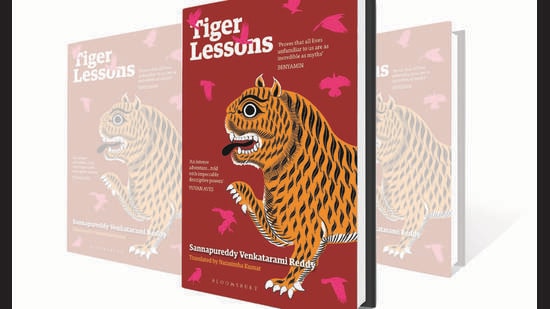
- Tiger Lessons. Written by Sannapureddy Venkatarami Reddy (2019), translated by Narasimha Kumar (2025)Ravi, an engineer, now works as a sheep-herder in the Nallamala forests in Andhra Pradesh. After a drought, he’s forced to take his sheep deep inside the forest to graze, where there’s no one around. The Telugu title, Konda Polam, references this centuries-old pastoral tradition. The forest teaches him how to read its silences and its noises, and how to survive. There are jump-scares. But this is really a story of growing up.
- White Elephant. Written by Jeyamohan (2013), translated by Priyamvada Ramkumar (2026)The year is 1878, and the Great Famine has claimed millions of lives in South India. Irish police officer Aiden Byrne’s faith in the Empire is shaken as he witnesses starving Indians abused, and even murdered by the Raj, while producing ice for lords and ladies. He teams up with a young Dalit activist, and tries to set the system straight. The Tamil writer’s book mixes fact and fiction, unfolding like a documentary.
- Our Madhopur Home. Written by Tripurari Sharan (2023), translated by Arunava Sinha (2025)The narrator of the novel, originally written in Hindi, is Laura, a perceptive, sensitive, cute… labrador. She tells the tale of a rural Bihari family across three generations — how feelings flare and fester, how gender and caste shape relationships. All of them are searching for the same thing: Home and belonging. And as the world changes, so do the desires of the family, for better, and sometimes, for worse.
- Gold Sand, Gold Water. Written by Nalini Bera (2018), translated by Hansda Sowvendra Shekhar (2026)Lolin, an adivasi Dalit, has grown up hearing stories of the Subarnarekha River, believed to have gold deposits. He dreams of discovering new islands and worlds, and of a life bigger than the one his caste dictates. Despite its hardships, riverine life is beautiful, filled with romantic folk tales and music. The English translation preserves the cadence of the original Bengali, and the reader can almost hear the gushing Subarnarekha.
- The Gods Are Leaving. Written by DB Mokashi (1961), translated by Shanta Gokhale (2026)Four brothers head to their ancestral Maharashtrian home on a single mission: To move their family’s gods and shrine to the city. There’s tension in the air, there are past conflicts none of the men want to address. It’s the end of an era, and they don’t want to admit they’ve grown apart. Mokashi writes slowly and unhurriedly in Marathi about this monumental journey. We’re missing naani ki ghar all of a sudden.
- The Bitter-Fruit Tree and Other Stories. Written by Prakash Parienkar (2021), translated by Vidya Pai (2025)Sattari is a sleepy village in a forested part of North-east Goa. Pipelines break down and the Mandovi wreaks havoc when it floods, but the inhabitants love their land and the traditions that bind them to it. This collection of Konkani short stories won the Sahitya Akademi award in 2023. One Goodreads reviewer said reading the stories felt like “a punch to the gut”. It’s a glimpse of a Goa worlds away from the touristy noise.
- Allah Miyan’s Workshop. Written by Mohsin Khan (2021), translated by Maaz Bin Bilal (2026)Khan’s debut Urdu novel follows Gibran, a 14-year-old boy, who flies kites and catches dragonflies. He has small joys like toffees to fight boredom. But life changes when his father is arrested on suspicion of being a terrorist. The story changes from a cosy novel about childhood to the harshness of growing up, and the circumstances that force a child to confront and escape reality at the same time.
- The Yellow Metaphor: Poems from Assam. Written by Jiban Narah (1990-2023), translated by Anindita Kar (2026)These 99 Assamese poems, written across three decades, explore the state’s traditions, natural wealth, and its complicated history. There are festive celebrations of Bihu, uneasy descriptions of abandoned houses, references to the Indian Army raids. Every colour mentioned in the poems is a hint — red stands for a Mising shawl, draped over the grave of an elderly person; green points to Assam’s verdant landscape.
- Heart Lamp. Written by Banu Mushtaq (1990-2023), translated by Deepa Bhasthi (2025)A man forced to decide between his wife and mother. A man obsessed with his sister-in-law’s shoes. A comical maulvi. A mass circumcision. Reading Heart Lamp is like being on a rollercoaster of emotions. But all the tales, even the humorous ones, have undercurrents of tension — of a society steeped in its patriarchal ways, and of women trying to take up space in it. It was the first Kannada-language work to win the International Booker Prize last year.
- Mudritha. Written by Jissa Jose (2021), translated by Jayasree Kalathil (2025)The titular character of the Malayalam novel goes missing one day before an all-women’s trip she organised. As the women wait to find out what happened to their guide, they begin to bond. All of them are trying to escape in different ways — one is a rebellious nun, another a hassled corporate slave, a third is running away from her lonely home. But what happened to Mudritha? Does she want to be found? By the end of the book, the travellers begin to question what they’re really trying to get away from.
{{^usCountry}}{{/usCountry}}
Catch your daily dose of Fashion, Taylor Swift, Health, Festivals, Travel, Relationship, Recipe and all the other Latest Lifestyle News on Hindustan Times Website and APPs.
Catch your daily dose of Fashion, Taylor Swift, Health, Festivals, Travel, Relationship, Recipe and all the other Latest Lifestyle News on Hindustan Times Website and APPs.
Advertisement
{{/htLoading}}{{#usCountry}}