
 E-Paper



Own it, don’t clone it: Why we remember the beauty rule-breakers

 Prefer HTon Google


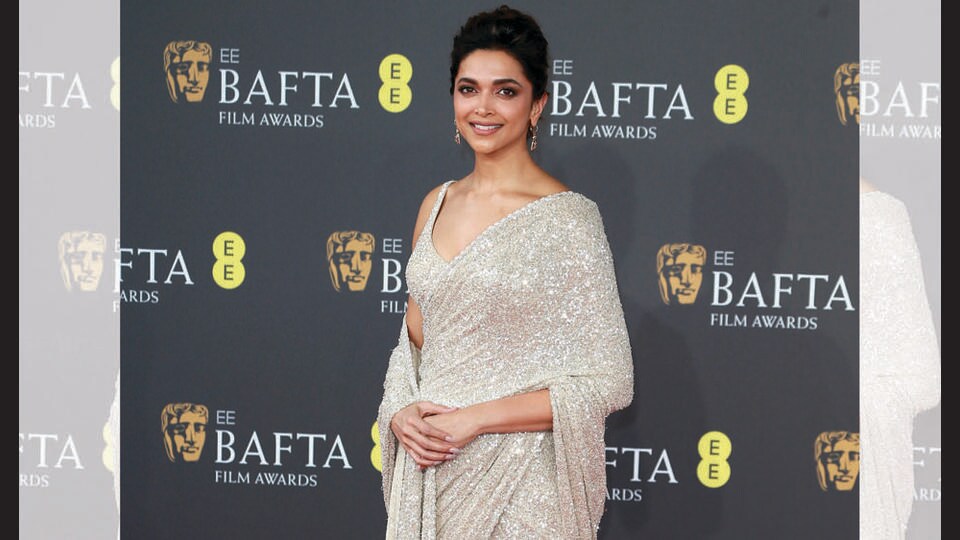
The Kylie copycat phenomenon isn’t new. Every decade had its own beauty ‘look’. But it’s the outliers we remember
It’s been a good season for plastic surgeons. On June 2, British YouTuber Rachel Leary commented under one of Kylie Jenner’s TikTok posts: “Girl, please can you tell us what it is you asked for when you had your b***s done?” Where most celebrities would ignore the query or pretend that their obviously enhanced attributes are natural, Jenner, 27, got honest and transparent: “445 cc, moderate profile, half under the muscle!!! silicone!!! garth fisher!!! hope this helps lol.”
It’s certainly helped Fisher, her surgeon, and other doctors who specialise in breast enhancement. They’ve been bombarded with client requests. The flip side: Doctors are complaining that everyone wants the same look – oversized butt, thick brows, sculpted lips, and barely-there mascara – regardless of whether it’s right for their face and frame.

Jenner’s isn’t the only reference for the current beauty standard. On YouTube, tutorials detail what it takes to recreate singer Madison Beer’s signature cheekbone highlights and foxy eyeliner. Hailey Bieber and Millie Bobby Brown have been wearing their hair slicked back. So have millions of women around the world. As with generations before, everyone looks the same. But here’s what no one’s realised: Across history, it’s the outliers who get remembered, not the ones who set — or conformed to — the standard.
Here’s the glossy data. In the ’70s, the look was angular, aquiline, almond-eyed. Think of young Cher and Jerry Hall. Enter Lynda Carter, the OG Wonder Woman. Not only was she an outsider, she had a more athletic build than the ultra-thin pretties. Carter was also a feminist, outspoken, and insisted on doing her own stunts. She rubbished the idea that her costume was too revealing, and instead hoped it would not make her seem too delicate. It catapulted her to international fame, and she remains an emblem of ’70s beauty.
Demi Moore’s short, dark hair, stood out among the sea of ’80s blondes (notably Meryl Streep and Michelle Pfeiffer). In the late ’90s, everybody’s favourite throwback period, the dominant look was dictated by supermodels. Hair – straight, shoulder length. Nose and chin – impossibly small. Cheeks – hollowed out. Body – more straight lines than curves. Cindy Crawford, Kate Moss and Naomi Campbell all had the same waifish, pixie-like look, prompting young women in the real world to starve themselves to fit in. And yet, most 1990s fantasies are located not on the runway but on the beach. The toned bodies of Baywatch’s lifeguards – each woman a different body type – have had a richer afterlife than the drab sameness of Vogue covers.
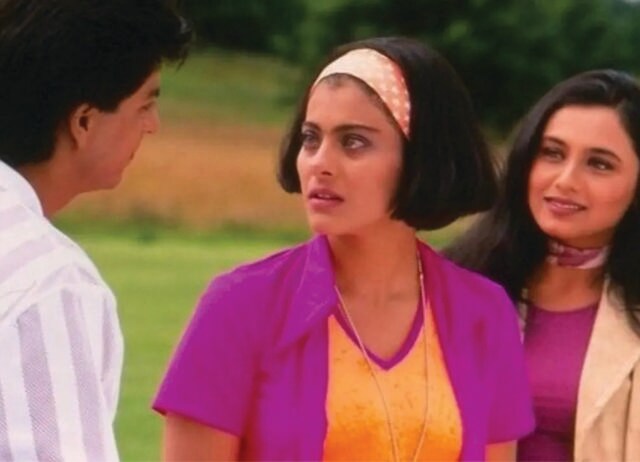
In Bollywood too, there have been trend followers and wild cards. Rekha’s maroon lipstick, smudged kajal and bold brows defined the 1980s better than any soft-featured good-girl heroine could. Madhuri Dixit’s open smile and Preity Zinta’s dimples were more the exception than the rule in the garish 1990s. And as the millennium turned, it was Kajol – untamed brows, slightly frizzy hair, loud laugh – and Deepika Padukone – tall, athletic, dark, wide eyed – who scored over all those pageant winners who’d sneaked into Bollywood.
Over the last decade, it seems like every nepo baby has been to the same dermatologist, the same cosmetic dentist, the same stylist, the same fitness trainer – emerging like Pilates-perfect, Insta-filtered clones of each other. It’s probably why, in the years to come, we’ll probably remember content creators more readily than movie stars.
In Hollywood, at least, things are changing. There’s room for more kinds of beauty in the spotlight – Anya Taylor-Joy, Florence Pugh, Jenna Ortega, Zendaya and Simone Ashley have fandoms of their own. They’re not asking Jenner for tips on how to fit into the moment. They are the moment. And that’s how we’ll probably remember them.
From HT Brunch, July 19, 2025
Follow us on www.instagram.com/htbrunch


