
 E-Paper



Spectator by Seema Goswami: Revise your portion

 Prefer HTon Google


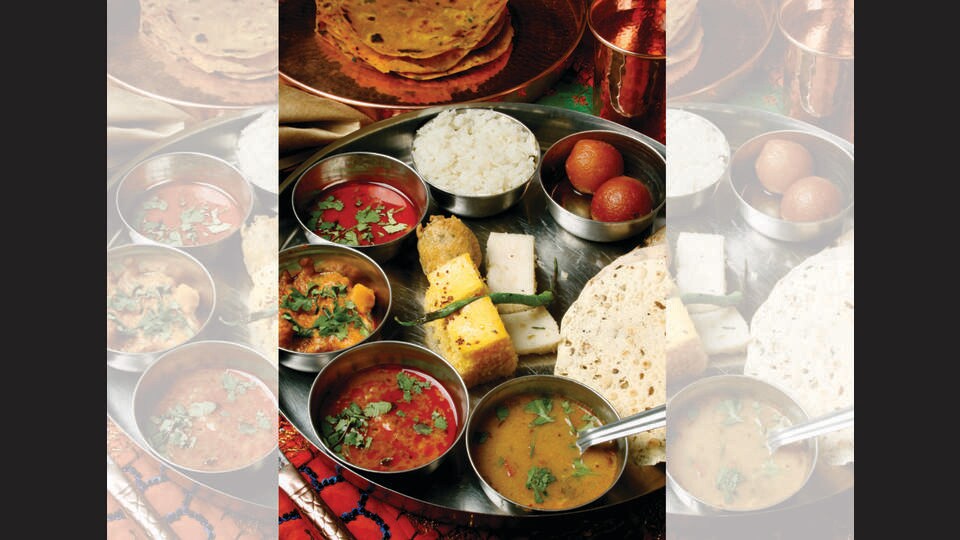
Before raw, fermented, and protein-packed became Insta buzzwords, Indian thalis had already aced the art of balance
The thought struck me first a couple of weeks ago as I sat down for lunch at a traditional thali restaurant. This, I said to my fellow diners, is the best way to practice portion control.
You get a thali with small katoris containing tiny quantities of every dish you are going to sample, with a small portion of rice or roti in the middle. If you don’t want to eat something you just ask for that katori to be removed. And then after you have had a taste of it all, you decide which dish you want seconds of and it is served to you. So, you eat a variety of dishes in small portions, choosing which one to have more of and ask for an extra roti or rice as required. Zero wastage. No overeating. What better example of portion control could there be?
But as I got thinking, I realised that many modern dietary practices and principles have their roots in traditional ways of eating in India. Let me count the ways.
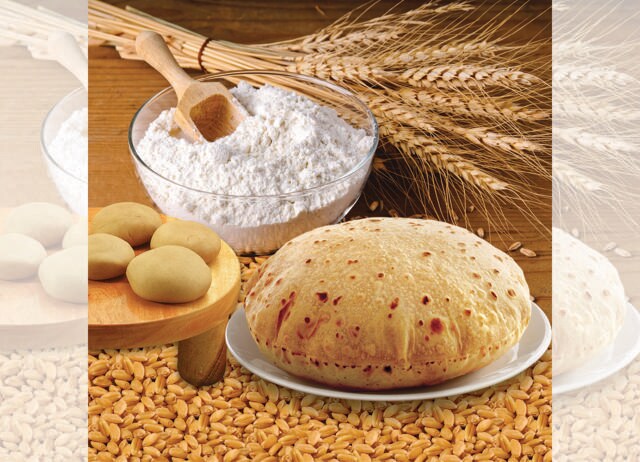
Combining proteins and carbs: In a traditional Indian meal, we always include a protein like fish or meat in small quantities (paneer and dal if you are vegetarian), a subzi of some kind, all to be eaten with a roti or rice. But on the whole, the roti is made of whole wheat, which makes it a much healthier option. And the entire meal itself is an exercise in balance.
Using a healthy fat like ghee. The ancients knew a thing or two when it came to using gut-healthy fats. And ghee is right up there with them. So, whether you use it for cooking, tempering, or just slathering on your chapati, your digestive system will thank you for it.
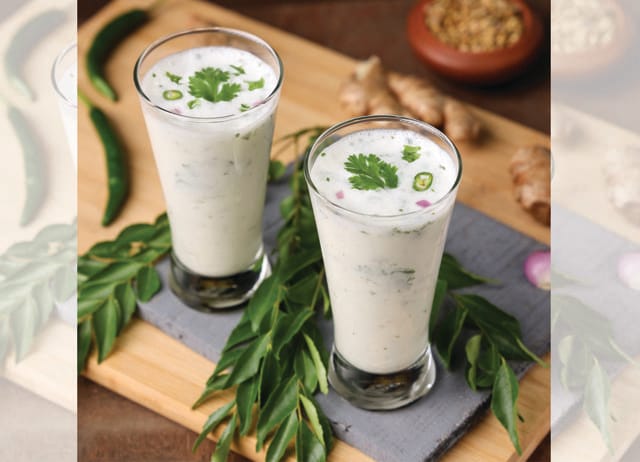
Including a probiotic in the meal. They are all the rage now, but Indians have been including natural probiotics in their meals for centuries in the form of a bowl of dahi (or its fancier variant, raita) or even a glass of buttermilk. This doesn’t just act as a cooling counterpart to all the spices in the food, it is actually beneficial to your gut health.
Raw food. We are told by nutritionists that we should begin our meal with raw vegetables in the form of salads to aid digestion and ensure that the release of blood sugar is regulated when we eat. But we have been doing this intuitively all this time, adding a bowl of sprouts, slices of onions, cucumber, carrots and the like to our table every time we sit down to eat.
Fermentation and pickling. Yes, that’s the latest dietary fad that we are all supposed to follow. But we are way ahead on this with the array of achars that live on our dining tables, waiting patiently for meal times. And a good mango, chilli or garlic pickle beats kimchi every time.
So, I guess if you want to follow modern dietary advice, you really can’t go wrong by adhering to ancient Indian rules of eating. You will eat well; you’ll eat the right stuff; and you won’t eat too much. And you really can’t ask for much more than that.
From HT Brunch, July 12, 2025
Follow us on www.instagram.com/htbrunch


