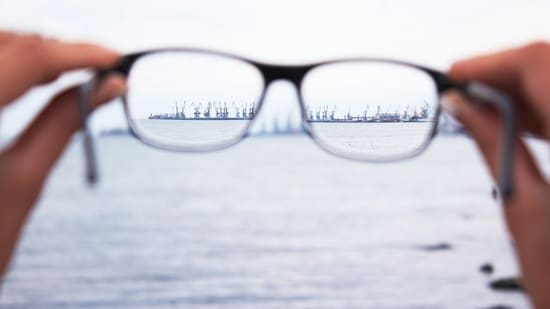
At least 2.2 billion people globally have a near or distance vision impairment, and in at least one billion cases, that vision loss could have been prevented or still needs to be addressed, according to the World Health Organisation (WHO). Also read | Women are at higher risk of dry eye disease: Learn causes, signs and prevention tips
Vision loss can affect anyone, but most people with vision impairment and blindness are over 50, according to the WHO. In its February 2026 fact sheet on blindness and vision impairment, WHO laid out just how common, preventable, and unequal vision loss still is. Find out what the report actually says, from what causes vision loss to what you can do about it.
WHO's key facts
⦿ At least 2.2 billion people have a near or distance vision impairment.
⦿ One billion of those cases are preventable or yet to be addressed.
⦿ 94 million people have distance vision impairment due to cataract, 88.4 million due to uncorrected refractive error, 8 million due to age-related macular degeneration, 7.7 million due to glaucoma, and 3.9 million due to diabetic retinopathy.
⦿ 826 million people live with unaddressed near vision impairment from presbyopia — the struggle to read up close that hits after 40.
{{/usCountry}}⦿ 826 million people live with unaddressed near vision impairment from presbyopia — the struggle to read up close that hits after 40.
{{/usCountry}}⦿ Two out of three people in low-income countries who need glasses don't have them.
⦿ One in two people globally who need cataract surgery don't have access to it.
And it's an economic issue too: WHO estimated the annual global productivity loss from vision impairment is about $411 billion, far more than the estimated $25 billion needed to close the gap in care. Also read | Hooked to the screen? 6 tips to overcome screen addiction in teens
Why is this happening?
The leading causes globally, according to the WHO, are:
1. Refractive errors: When the eye doesn't focus light correctly. Glasses or contact lenses usually fix it. It's still the top cause of vision impairment in children and adults in every country.
2. Cataract: Clouding of the lens. Surgery is one of the most cost-effective health interventions, but access is lowest where it's needed most.
3. Diabetic retinopathy, glaucoma, and age-related macular degeneration: These are more common in high-income countries, but rates are rising everywhere as populations age and diabetes increases.
4. Childhood causes: In low-income countries, congenital cataract is a leading cause. In middle-income countries, it's retinopathy of prematurity.
5. Presbyopia: Near vision loss after 40. WHO estimates more than 80 percent of people in western, eastern and central sub-Saharan Africa who need reading glasses for this don't have them, compared to less than 10 percent in high-income regions like North America, Australasia and Western Europe.
What vision loss actually does to your life
WHO is clear that this isn't just about seeing less clearly. In young children, severe early-onset vision impairment can delay motor, language, emotional, social and cognitive development, with lifelong consequences.
School-age children can have lower educational achievement. Adults can have lower employment rates and higher rates of anxiety and depression. Older adults face social isolation, difficulty walking, higher risk of falls and fractures, and earlier entry into nursing homes. And conditions that don't cause blindness — like dry eye, conjunctivitis, blepharitis — still cause pain and are among the top reasons people seek eye care.
What WHO says actually works
The good news, per WHO: most of this is avoidable with promotion, prevention, treatment and rehabilitation. Get your eyes checked, even if you think you're fine. WHO noted everyone will experience at least one eye condition in their lifetime that needs care if they live long enough. A comprehensive eye exam can catch refractive error, cataract, glaucoma, diabetic changes and macular degeneration early — often before you notice symptoms.
Fix the simple stuff: eyeglasses for refractive errors and cataract surgery are among the most cost-effective health interventions available. If you are squinting, getting headaches, holding your phone farther away, or struggling at night, get your prescription checked.
If you have diabetes, prioritise your eyes. For diabetic retinopathy, early detection and timely treatment are crucial to avoid irreversible vision loss, WHO said. That means annual dilated eye exams and controlling blood sugar, blood pressure and cholesterol. Don't ignore injuries, infections and home remedies, too. Many cases of vision loss can be prevented by avoiding trauma, promptly treating infections, and avoiding unsafe traditional medicines or self-administered topical treatments, according to the WHO.
If vision loss is irreversible, rehabilitation helps. WHO defined vision rehabilitation as services that help people with irreversible low vision maximise function and participate fully in society. It's very effective for conditions like glaucoma, diabetic retinopathy, trauma and age-related macular degeneration.
When to see a doctor right away
Sudden vision loss, eye pain, redness with blurred vision, sudden flashes/floaters or a curtain over vision, chemical injury, or trauma: these need emergency care, per WHO.
Note to readers: This article is for informational purposes only and not a substitute for professional medical advice. Always seek the advice of your doctor with any questions about a medical condition.
Catch your daily dose of Fashion, Taylor Swift, Health, Festivals, Travel, Relationship, Recipe and all the other Latest Lifestyle News on Hindustan Times Website and APPs.
Catch your daily dose of Fashion, Taylor Swift, Health, Festivals, Travel, Relationship, Recipe and all the other Latest Lifestyle News on Hindustan Times Website and APPs.