Walk down any skincare aisle or scroll through social media, and two products consistently stand out: face masks and Vitamin C serums. Both have earned cult status, but they are also among the most misunderstood skincare products. While they can be incredibly beneficial when used correctly, neither is a miracle solution, and unrealistic expectations often lead to disappointment. The key to achieving healthy skin lies in understanding what these products can and cannot do.
Is vitamin C scientifically proven for skin?
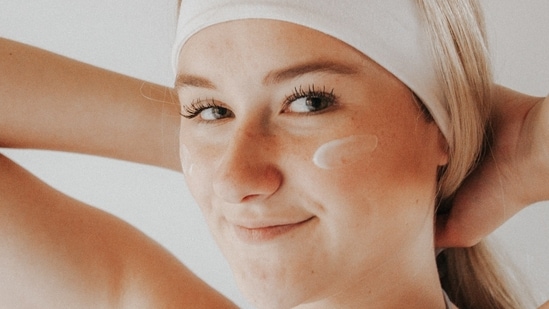
"Vitamin C remains one of the most extensively researched topical antioxidants in dermatology. Its benefits are supported by scientific evidence, making it a valuable addition to many skincare routines," Dermatologist Dr Pranitha, Maya Medi Spa, tells Health Shots.
When formulated and stored correctly, Vitamin C can:
- Neutralize free radicals caused by UV exposure and pollution.
- Brighten dull skin by reducing excess pigmentation.
- Help fade post-acne marks and uneven skin tone.
- Support collagen production to improve skin firmness over time.
- Enhance the effectiveness of sunscreen by reducing oxidative stress, although it should never replace SPF.
"However, Vitamin C is not an overnight treatment. Visible improvements in pigmentation and skin brightness typically require consistent use over several weeks or even months," says the dermatologist.
Why don’t people see results?
One of the biggest reasons Vitamin C appears ineffective is that consumers unknowingly purchase unstable formulations. Vitamin C is highly sensitive to air, light, and heat. "Once oxidized, it loses much of its effectiveness," says the doctor. Another common mistake is choosing products based solely on high percentages. Stronger is not always better.
For many individuals, especially those with sensitive skin, higher concentrations may lead to irritation without providing additional benefits. "Layering Vitamin C with too many active ingredients or using it inconsistently can also reduce its effectiveness", says Dr Pranitha. Like most skincare ingredients, consistency is key and matters far more than occasional use.
Do face masks actually make a difference?
Face masks are another category often surrounded by exaggerated claims. While they can be an excellent addition to a skincare routine, they should be viewed as supportive treatments rather than primary solutions.
Different masks serve different purposes:
- Hydrating masks replenish moisture and temporarily improve skin plumpness.
- Clay masks help absorb excess oil and reduce surface congestion.
- Brightening masks can enhance skin radiance with ingredients such as niacinamide, enzymes, or mild acids.
- Calming masks help soothe irritated or inflamed skin.
Most face masks provide immediate cosmetic improvements, better hydration, smoother texture, or a healthy glow, but these effects are generally temporary. They do not replace a well-designed daily skincare routine or professional treatments when addressing concerns such as melasma, acne scars, or significant signs of aging.
What is the 4-2-4 rule in skincare?
Many people expect a single product to solve every skin concern. In reality, skincare should be tailored to an individual’s skin type, lifestyle, and specific concerns.
Some of the most common mistakes include:
- Using face masks too frequently leads to irritation or barrier damage.
- Leaving masks on longer than recommended, believing a longer application gives better results.
- Purchasing Vitamin C products based solely on social media trends rather than ingredient stability or formulation quality.
- Ignoring sunscreen while using brightening products can lead to new pigmentation.
- Following complicated routines with too many active ingredients increases the risk of irritation.
Building a science-backed routine
An effective skincare routine does not need to be complicated. A gentle cleanser, moisturizer, sunscreen, and carefully selected active ingredients are often sufficient for healthy skin. "Vitamin C fits well into a morning routine because of its antioxidant protection", explains the expert. At the same time, face masks can be used occasionally based on individual skin needs rather than daily.
For persistent concerns such as pigmentation, acne, rosacea, or premature aging, professional evaluation is important. These conditions often require prescription medications or in-clinic treatments in addition to topical skincare. "Ultimately, skincare should focus less on viral trends and more on evidence-based ingredients, realistic expectations, and consistency", shares the expert. Both Vitamin C and face masks have their place, but neither should be viewed as a miracle product. Healthy skin is achieved through a personalized routine built on science, patience, and daily care, not quick fixes.
(Disclaimer: At Hindustan Times, we help you stay up to date with the latest trends and products. Hindustan Times has an affiliate partnership, so we may get a part of the revenue when you make a purchase. We shall not be liable for any claim under applicable laws, including, but not limited to, the Consumer Protection Act, 2019, arising from the products. The products listed in this article are in no particular order of priority, and the expert mentioned has not directly suggested any brands.
This article is for informational purposes only and is not a substitute for professional medical advice. Always seek the advice of your doctor with any questions about a medical condition.)
Catch your daily dose of Fashion, Taylor Swift, Health, Festivals, Travel, Relationship, Recipe and all the other Latest Lifestyle News on Hindustan Times Website and APPs.
Catch your daily dose of Fashion, Taylor Swift, Health, Festivals, Travel, Relationship, Recipe and all the other Latest Lifestyle News on Hindustan Times Website and APPs.