Many people assume that eating three meals a day, maintaining a healthy body weight, and following a reasonably balanced diet automatically meets their nutritional needs. However, adequate food intake does not always translate into adequate vitamin and mineral intake or absorption.
"India continues to face a substantial burden of anemia and micronutrient deficiencies. The National Family Health Survey-5 (NFHS-5) reported anemia among 57.2% of non-pregnant women aged 15–49 years and 52.2% of pregnant women in India. The Comprehensive National Nutrition Survey (CNNS) also identified important micronutrient gaps among adolescents, including vitamin D and vitamin B12 deficiency, with iron deficiency being common in this age group," Dr Sonali Gokhalay, Head, Medical Affairs & Product Research, P&G Health India, tells Health Shots.
Why is eating enough important?
These figures highlight an important distinction: eating enough and being adequately nourished are not always the same thing. For decades, India’s nutrition agenda has rightly focused on food security, calorie sufficiency, and preventing undernutrition. These priorities remain critical. Another challenge is micronutrient inadequacy, which can occur even in people who consume enough calories or appear to have a healthy diet.
What are the micronutrients?
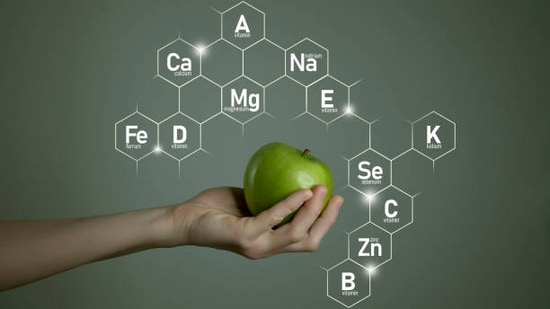
Micronutrients, vitamins, and minerals required in small amounts, support normal growth, metabolism, immune function, blood formation, neuromuscular health, and tissue repair. Deficiencies may not always cause immediate or specific symptoms. Instead, they may gradually cause fatigue, reduced work capacity, poor concentration, recurrent illness, or impaired physical performance, symptoms that can easily be attributed to stress, inadequate sleep, or a demanding lifestyle.
The micronutrients that support everyday health
Micronutrients function through interconnected biological pathways. Although each nutrient has distinct roles, good health depends on consuming and utilizing a range of nutrients in appropriate amounts.
Iron is required for hemoglobin formation and oxygen transport. Insufficient iron availability can impair red blood cell production and contribute to iron-deficiency anemia, causing tiredness, reduced exercise tolerance, and impaired cognitive and work performance. However, anemia has multiple causes, including iron, folate, and vitamin B12 deficiencies; infections; inflammation; inherited blood disorders; and other medical conditions. Therefore, anemia should be appropriately evaluated rather than assumed to be due to iron deficiency alone.
Why is B12 essential for DNA synthesis?
Vitamin B12 supports DNA synthesis, red blood cell formation, and normal neurological function. Low vitamin B12 status may result from inadequate dietary intake, impaired absorption, or certain gastrointestinal and medical conditions. Because naturally occurring vitamin B12 is found predominantly in animal-source foods, people following strict vegetarian or vegan dietary patterns may need to pay particular attention to reliable dietary sources, fortified foods, or supplementation under professional guidance.
Vitamin D supports calcium and phosphorus metabolism, supporting bone and muscle health, and immune function. Despite plentiful sunshine in many parts of India, low vitamin D status remains common. Factors such as limited sun exposure, clothing practices, indoor lifestyles, skin pigmentation, air pollution, obesity, aging, and dietary patterns can influence vitamin D synthesis and status. Individualize testing and treatment decisions, particularly for people at higher risk or those with symptoms and clinical indications.
Is vitamin E a fat-soluble vitamin?
Vitamin E is a fat-soluble antioxidant that helps protect cell membranes from oxidative damage. B-complex vitamins include thiamine (B1), riboflavin (B2), niacin (B3), pantothenic acid (B5), vitamin B6, biotin (B7), folate (B9), and vitamin B12. These vitamins support energy metabolism, nervous system function, red blood cell formation, amino acid metabolism, and cell growth.
The objective is not to identify a single “most important” vitamin or mineral. Human nutrition depends on adequate intake across a broad range of nutrients, including macronutrients, vitamins, minerals, and dietary fiber. Individual requirements vary by age, sex, physiological stage, dietary pattern, health status, and medication use. Pregnancy, adolescence, older age, restrictive diets, chronic illnesses, and conditions that affect gastrointestinal absorption can all change nutritional needs.
From awareness to appropriate action
A diverse, balanced diet remains the cornerstone of good nutrition. A practical dietary pattern should include a variety of cereals and millets, pulses and legumes, vegetables and fruits, nuts and seeds, dairy or suitable alternatives, and, where culturally and personally acceptable, eggs, fish, meat, or other animal-source foods.
However, diet alone may not always meet every individual’s needs. Food affordability and availability, dietary restrictions, poor appetite, food preferences, increased physiological requirements, absorption disorders, chronic disease, or medication use may affect nutrient intake. In some circumstances, food fortification and appropriately indicated supplementation can help address gaps. Still, these should complement, not replace, a healthy dietary pattern.
What are the main reasons for vitamin deficiencies?
Do not self-diagnose persistent fatigue, reduced stamina, tingling or numbness, unexplained weakness, frequent illness symptoms, bone pain, or other ongoing concerns as a vitamin deficiency, or dismiss them as lifestyle stress. These symptoms are non-specific and may have several underlying causes. A healthcare professional can assess the individual’s medical history, diet, symptoms, and, when appropriate, laboratory tests to identify the cause and determine whether dietary changes, fortified foods, supplementation, or further medical evaluation are needed.
Self-prescribing high-dose supplements may be inappropriate and, in some cases, harmful. Fat-soluble vitamins such as vitamins A, D, E, and K can accumulate in the body when taken in excess. Likewise, clinical assessment should guide iron supplementation, particularly in adults with persistent or unexplained anemia.
Measuring nutrition differently
India’s nutrition landscape is changing. Undernutrition, food insecurity and maternal and child malnutrition remain major public-health priorities. At the same time, micronutrient inadequacy is an important, less visible concern, one that may coexist with adequate calorie intake, overweight, or obesity.
What is the nutritional plate?
A full plate is not, by itself, proof of nutritional adequacy. This National Nutrition Month, a more meaningful question may be: “Have I eaten enough nutrients to support my health, not just enough food to feel full?” The future of nutrition in India must be measured not only by fuller plates, but also by dietary quality, micronutrient adequacy, and healthier lives across every stage of life.
(Disclaimer: At Hindustan Times, we help you stay up to date with the latest trends and products. Hindustan Times has an affiliate partnership, so we may get a part of the revenue when you make a purchase. We shall not be liable for any claim under applicable laws, including but not limited to the Consumer Protection Act, 2019, with respect to the products. The products listed in this article are in no particular order of priority. The brand provided them to HT Shop Now for testing and evaluation. Our opinions remain independent and based on our personal experience with the items. Please patch test the products before use.)
Catch your daily dose of Fashion, Taylor Swift, Health, Festivals, Travel, Relationship, Recipe and all the other Latest Lifestyle News on Hindustan Times Website and APPs.
Catch your daily dose of Fashion, Taylor Swift, Health, Festivals, Travel, Relationship, Recipe and all the other Latest Lifestyle News on Hindustan Times Website and APPs.