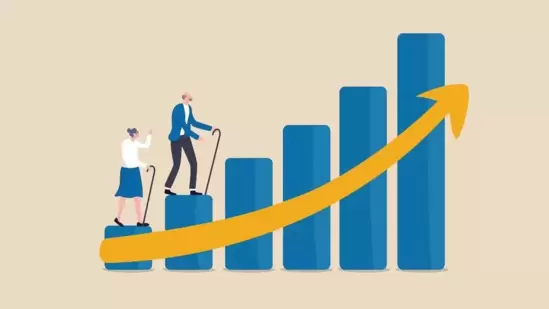
We often romanticise the past, imagining a time when people lived closer to nature, ate only organic food, drank pure water, and breathed clean air. It’s easy to assume those were the keys to a longer, healthier life. In a July 28 episode with Hasan Minhaj on the podcast Hasan Minhaj Doesn’t Know, astrophysicist Neil deGrasse Tyson challenges that idea, offering a reality check on what truly shaped human longevity. (Also read: Jimmy Carter, the longest-lived president dies at 100: 7 key longevity lessons from his remarkable, century-long life )
How much has human life expectancy changed
Reflecting on human survival over millennia, Tyson explained how dramatically life expectancy has changed, thanks to science, not just clean living. “When we were all living in caves,” Tyson began, “half of everyone born was dead before the age of 30.” He went on to explain that even as civilisation advanced, improvements in life expectancy were painfully slow.
“Fast forward to 1840, that number went up to 35. Half of everyone born was dead by the time they were 35. So, in the tens of thousands of years between living in caves and the middle of the 19th century, we gained only five years on that. Just five,” says Neil.
Is ‘natural living’ really the secret to long life
{{/usCountry}}“Fast forward to 1840, that number went up to 35. Half of everyone born was dead by the time they were 35. So, in the tens of thousands of years between living in caves and the middle of the 19th century, we gained only five years on that. Just five,” says Neil.
Is ‘natural living’ really the secret to long life
{{/usCountry}}What changed after that? According to Tyson, it wasn’t cleaner water, organic food, or fresh air, it was science. “Since then, with advances in medicine, everything changed,” he said. “And remember, everyone back then was already eating organic. The water was clear. The air was pure. The game they hunted was free-range. Didn’t make a damn bit of difference.”
“Science matters here,” he emphasised. “You can run around eating all the organic food you want, but you’d still be dead by 30 unless some doctor came in and said, ‘We can increase your life expectancy using science.’”
Note to readers: This article is for informational purposes only and not a substitute for professional medical advice. Always seek the advice of your doctor with any questions about a medical condition.
Catch your daily dose of Fashion, Taylor Swift, Health, Festivals, Travel, Relationship, Recipe and all the other Latest Lifestyle News on Hindustan Times Website and APPs.
Catch your daily dose of Fashion, Taylor Swift, Health, Festivals, Travel, Relationship, Recipe and all the other Latest Lifestyle News on Hindustan Times Website and APPs.