
 E-Paper



Cardiologist with over 20 years of experience lists 9 ways to reduce heart attack risk

 Prefer HTon Google


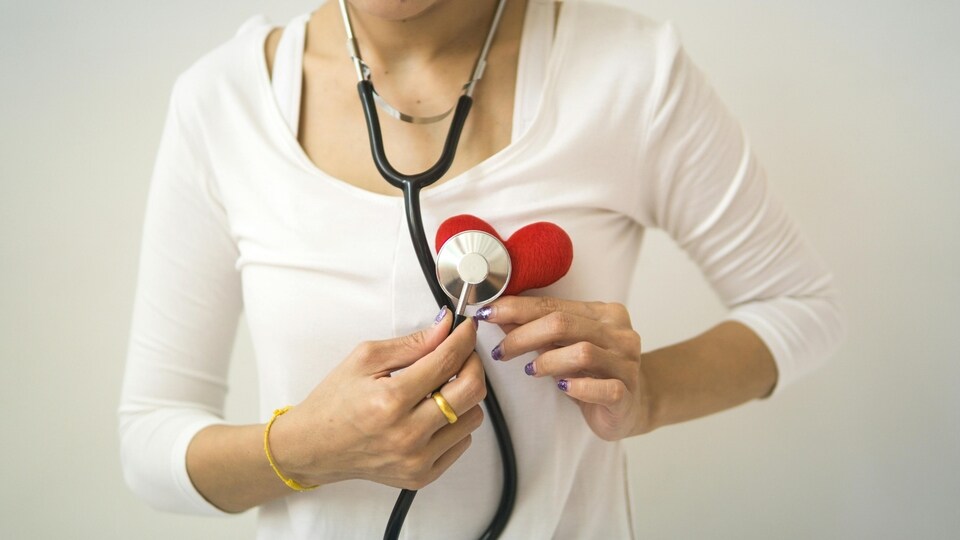
Heart attacks are increasingly common, and one needs to make conscious efforts to reduce the risk. Dr Jack Wolfson shares how.
Humans are adapting to an increasingly sedentary lifestyle, with less sleep and more anxiety, while staying on a planet that is getting increasingly polluted. As such, it is not a surprise that the risk of individuals experiencing a heart attack is ever-increasing.
Also Read | This fitness coach shares workout routine to help you achieve beach-ready body: Complete fitness blueprint
Also known as a myocardial infarction, a heart attack occurs when blood flow to the heart muscle is severely reduced or blocked, often due to the formation of a clot or the buildup of plaque. Taking to Instagram on April 7, Dr Jack Wolfson, a cardiologist with over 25 years of experience, shares nine ways in which we can reduce the risk of heart attacks.
1. Get rid of plastic
“Plastic is nasty and is proven to be problematic,” shared Dr Wolfson. While it is popularly known to be an environmental pollutant, the main threat to human health comes from tiny degrading plastic particles called microplastics and nanoplastics.
They are all around us, including in the air we breathe, the water we drink, and the food we eat. In the body, it is known to cause chronic low-grade inflammation, which, over time, can lead to heart attacks and cardiac arrests. “Minimise your plastic exposure the best you can,” advised the cardiologist.
2. Eat more seafood
According to Dr Wolfson, seafood is the healthiest food available for the heart as it is loaded with healthy omega-3 fatty acids. “People with the highest levels of omega-3 have the lowest risk of (cardiovascular issues),” he stated.
3. Get more sunshine
Sunlight exposure is a known method to boost cardiovascular health. According to Dr Wolfson, regular sunlight exposure reverses plaques and prevents both heart attacks and strokes.
4. Improve your sleep
Sleep is one of the most important and underrated components of a healthy lifestyle. While the body is at rest physically, it is very much active metabolically, as the muscles go through repair for the wear and tear that they experience throughout the day. Getting quality sleep every night considerably increases the risk of heart attacks, shared the cardiologist.
5. Move more
A sedentary lifestyle is not beneficial for cardiovascular health. To reduce the risk of heart attacks, one should seriously consider moving more. As per Dr Wolfson, movement can be anything, from walking, hiking, riding a bike, paddleboarding, building muscles, and so on. Everything counts.
6. Reduce stress levels
In his career as a cardiologist for two decades, Dr Wolfson claims to have seen “hundreds of heart attacks and strokes,” and in all of them, “stress was always a factor,” he highlighted. Thus, to decrease the risk of heart attacks, one must take steps to reduce stress.
7. Check your home
A clean and healthy living environment goes a long way to reducing the risk of cardiovascular diseases such as heart attacks. “You want to make sure you are not living in (a home with) water damage, mold and bacterial growth,” cautioned Dr Wolfson.
8. Test yourself
When it comes to taking care of one’s health, it is better to work with data rather than assumptions. Things to check for regularly include “inflammation, oxidative stress level, homocysteine, LPa, intracellular vitamins, minerals, proteins, fats, leaky guts, and environmental toxins,” shared Dr Wolfson.
9. Limit your exposure to EMF
Some studies show that strong electromagnetic fields may interfere with the heart's electrical system. To lower any associated risk, Dr Wolfson suggested limiting EMF exposure, which includes staying away from the cellphone as much as possible, avoiding earbuds and trying to turn off the Wi-Fi at night.
Note to readers: This article is for informational purposes only and not a substitute for professional medical advice. Always seek the advice of your doctor with any questions about a medical condition.
This report is based on user-generated content from social media. HT.com has not independently verified the claims and does not endorse them.


Catch your daily dose of Fashion, Taylor Swift, Health, Festivals, Travel, Relationship, Recipe and all the other Latest Lifestyle News on Hindustan Times Website and APPs.


