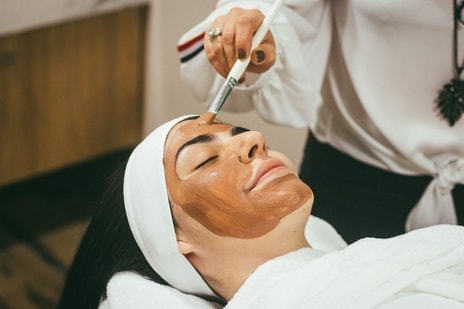
As Diwali approaches, beauty clinics often roll out festive offers featuring facials, de-tan treatments, glow boosters and advanced aesthetic procedures. While these options may sound appealing, it is important to understand that not every skin concern can be addressed with a cosmetic service. A facial, for instance, is very different from a medical procedure, and choosing the right treatment requires understanding the concern, the available evidence and individual skin needs. (Also read: Climate change and health: Doctor explains how extreme weather increases the risk of infections, respiratory problems and anxiety )
In an interview with HT Lifestyle, Dr Ashok Patel, aesthetic surgeon, founder and chief medical officer, Brilliance Cosmocare, explains why people should look beyond festive packages and make informed decisions about their skin and hair treatments.
A facial is care, not treatment
“A good facial cleanses, hydrates and relaxes. That has real value, especially in a month of travel, guests and late nights. It is not designed to treat a medical condition, change pigmentation at depth, or rebuild collagen,” says Dr Patel.
He explains that problems arise when a cosmetic service is presented as a solution to a persistent skin concern. Stubborn dark patches, repeated breakouts and unexplained hair shedding may have underlying medical causes that cannot be addressed through a festive beauty package.
“Not every skin or hair concern needs cosmetic treatment. Sometimes the first step is finding the underlying medical cause,” he adds.
Understanding the evidence behind aesthetic treatments
{{/usCountry}}“Not every skin or hair concern needs cosmetic treatment. Sometimes the first step is finding the underlying medical cause,” he adds.
Understanding the evidence behind aesthetic treatments
{{/usCountry}}According to Dr Patel, treatments should be assessed based on the strength of clinical evidence supporting them. “At the top are treatments with a solid body of clinical evidence for a defined purpose. Botulinum toxin is well established for dynamic wrinkles. Hyaluronic acid fillers have a place in appropriate cases of volume loss and contour change. Certain lasers and energy-based devices can improve pigmentation, texture and photo ageing when the right device and protocol are chosen,” he explains.
In hair restoration, topical minoxidil and appropriate medical treatments for pattern hair loss are well supported. Hair transplantation may also be effective in carefully selected patients. “On the middle rung sit treatments that help some people in some circumstances. Even the established ones depend on the condition and on the individual, which is why a proper diagnosis comes first,” he says.
He also highlights regenerative treatments such as platelet-rich plasma (PRP), which have shown encouraging results in some studies but still have limitations.
“A systematic review of 27 controlled trials covering 1,117 people found that PRP injections increased hair density over a medium-term follow-up compared with saline, by roughly 26 hairs per square centimetre on average, with a wide margin of uncertainty. The reviewers rated the evidence as low quality, citing inconsistency between trials and varying PRP preparation and schedules. Encouraging, in other words, but not settled,” he notes.
How to choose the right treatment for your hair and skin concerns
Dr Patel emphasises that aesthetic procedures should be selected according to individual concerns rather than as part of a one-size-fits-all package.
- Frown lines and crow's feet: Botulinum toxin is well established for dynamic wrinkles. Its full effect generally takes about two weeks to appear and wears off over several months.
- Volume loss and facial contour: Hyaluronic acid fillers may be suitable in selected cases, although swelling and bruising can occur initially.
- Pigmentation, texture and photo ageing: Certain lasers and energy-based devices can help, but the device and protocol must suit the individual's skin tone.
- Pattern hair loss: Topical minoxidil and suitable medical treatments are supported by evidence. Hair transplantation may work for carefully selected patients, but diagnosis is essential.
- Hair thinning and PRP: Some studies show encouraging results, but treatment protocols vary and the overall quality of evidence remains limited.
Why Indian skin needs special consideration
Skin tone is an important factor when selecting aesthetic procedures. Dr Patel points out that clinical evidence is not equally available across different skin tones.
A 2023 analysis of 1,419 clinical trials registered on ClinicalTrials.gov for 15 skin conditions common in people with skin of colour found that Black or African American participation exceeded 50% in only two conditions. The analysis focused on US trials and did not include Indian patients, but it highlights gaps in the available evidence.
“Darker skin tones have less evidence than most people assume,” he says.
This is particularly relevant when considering laser and resurfacing procedures. Non-ablative fractional resurfacing is considered safe across skin types, but clinical reviews note a higher risk of post-inflammatory pigmentation in darker skin. Conservative settings, lower treatment density and careful sun protection before and after can help reduce this risk.
“The same device in different hands, on different skin, with a different protocol, is effectively a different treatment. That is why the practitioner and the plan matter more than the machine's brand name,” Dr Patel explains.
Importance of everyday skincare
A responsible aesthetic consultation should begin with understanding the patient's concerns. “It begins with questions, not a price list. A medical history, an examination of the skin or scalp, and a clear statement of what the treatment can and cannot do,” says Dr Patel.
“In healthcare, credibility comes from being open about what a treatment can achieve, what it cannot and where the evidence is limited. A clinic that says so is usually the one worth trusting,” he adds.
While aesthetic procedures may address specific concerns, everyday skincare remains essential. Dr Patel highlights sun protection, a barrier-friendly moisturiser, a gentle cleanser and a suitable active ingredient as the foundation of a consistent routine.
“Between appointments, and often in place of them, the skin is shaped by what it meets every day,” he says.
He adds that well-formulated, doctor-developed skincare products should serve a clear purpose, be tested for tolerability and be simple enough to incorporate into daily life. “Consistency beats chasing the next ingredient trend,” he notes.
Choosing skin health over festive beauty trends
Festive beauty packages may offer a relaxing experience, but treatment choices should depend on individual needs and medical suitability.
“The sensible approach is to match the choice to the concern. A facial for relaxation. A diagnosis for a persistent problem. A medical treatment, chosen on evidence and delivered by a qualified practitioner, when it is clinically indicated,” says Dr Patel.
He concludes that aesthetic care should focus on supporting healthy skin and natural ageing through scientific evidence, realistic expectations and patient safety.
Note to readers: This article is for informational purposes only and not a substitute for professional medical advice. Always seek the advice of your doctor with any questions about a medical condition.
Catch your daily dose of Fashion, Taylor Swift, Health, Festivals, Travel, Relationship, Recipe and all the other Latest Lifestyle News on Hindustan Times Website and APPs.
Catch your daily dose of Fashion, Taylor Swift, Health, Festivals, Travel, Relationship, Recipe and all the other Latest Lifestyle News on Hindustan Times Website and APPs.