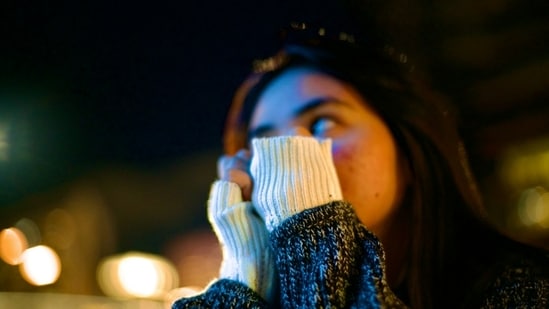
Air pollution has turned winter into the season of smog, and some people experience a worsening cough, throat irritation, wheezing, or breathing discomfort in the evening and at night.
Also Read | Gynaecologist explains regular periods do not rule out PCOS, shares signs to watch out for
Dr Vikas Mittal, director, department of pulmonology at CK Birla Hospital, Delhi, told HT Lifestyle that this can result from a combination of air pollution, changing weather conditions, and underlying respiratory sensitivity. However, he did note that the symptoms do not necessarily worsen after sunset in everyone, and their timing alone cannot establish the cause.
How does air pollution affect the airways?
In the words of Dr Mittal, “Fine particulate matter, particularly PM2.5, can penetrate deep into the respiratory system, irritating the airways and triggering inflammation. Exposure to pollutants can increase airway sensitivity, leading to coughing, wheezing, and chest discomfort.”
The physician further cautioned that people with asthma, chronic obstructive pulmonary disease (COPD), or other pre-existing respiratory conditions may be particularly vulnerable.
Why can respiratory symptoms worsen at night?
During winter, temperature inversions and reduced atmospheric mixing can trap pollutants close to the ground, sometimes increasing pollution concentrations. This leads to worsening respiratory symptoms for some individuals, the pulmonologist explained.
{{/usCountry}}During winter, temperature inversions and reduced atmospheric mixing can trap pollutants close to the ground, sometimes increasing pollution concentrations. This leads to worsening respiratory symptoms for some individuals, the pulmonologist explained.
{{/usCountry}}“However, conditions vary depending on the weather, location, and time of day,” he highlighted. “Symptoms experienced at night may also reflect the cumulative effects of pollution exposure throughout the day.”
“Additionally, the body's natural circadian rhythms can influence airway function. In people with asthma, airways may become more constricted at night, increasing the likelihood of coughing, wheezing, or breathlessness. Other conditions, such as post-nasal drip, respiratory infections, and acid reflux, can also trigger coughing when a person lies down,” added Dr Mittal.
Steps to reduce the risk
There are a number of steps one can take to reduce the risk of respiratory symptoms after sundown. The ones shared by Dr Mittal are presented as follows.
- Monitor the air quality index (AQI)
- Limit outdoor exposure during periods of severe pollution
- Keep indoor spaces well-ventilated when outdoor air quality permits
- Use appropriately sized air purifiers where feasible
- Avoid tobacco smoke, incense, and strong cleaning products
- People with existing respiratory conditions should follow their prescribed treatment plans
“A persistent or recurrent night-time cough should not automatically be attributed to pollution,” shared the physician. “Medical evaluation is advisable if symptoms disrupt sleep, involve wheezing or breathlessness, or continue despite basic precautions. Sudden or severe breathing difficulty requires urgent medical attention.”
Note to readers: This article is for informational purposes only and not a substitute for professional medical advice. Always seek the advice of your doctor with any questions about a medical condition.
Dr Vikas Mittal is a pulmonologist and sleep medicine expert with more than 25 years of clinical experience. He is a director at CK Birla Hospital in Delhi.
Catch your daily dose of Fashion, Taylor Swift, Health, Festivals, Travel, Relationship, Recipe and all the other Latest Lifestyle News on Hindustan Times Website and APPs.
Catch your daily dose of Fashion, Taylor Swift, Health, Festivals, Travel, Relationship, Recipe and all the other Latest Lifestyle News on Hindustan Times Website and APPs.