
Donald Trump announces deal to reduce prices of weight loss drugs to as low as $149: What it means
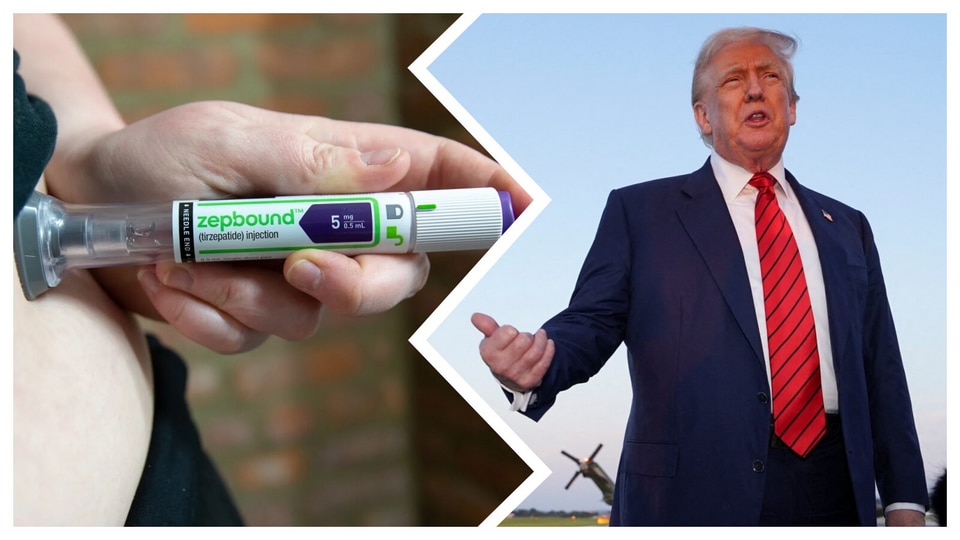
US President Donald Trump has struck a a deal with Eli Lilly and Novo Nordisk to reduce costs of obesity drugs, expanding Medicare coverage to more Americans.
US President Donald Trump has announced a deal with pharmaceutical giants Eli Lilly and Novo Nordisk to expand coverage and reduce prices for popular obesity medications, Zepbound and Wegovy. These weight-loss drugs are typically used to manage Type 2 diabetes, and are currently priced upwards of $500 without insurance, according to AFP. Starting in 2026, Medicare will cover these medications, and new, lower-cost pill versions may cost as little as $149 a month.
Tavishi Dogra is a Deputy Chief Content Producer, Health & Wellness, at Hindustan Times. She has over 9 years of experience writing about fitness, nutrition, and mental well-being, translating medical research and expert insights into practical advice readers can trust.
Career journey and experience
Tavishi began her health journalism journey in 2017, and has since reported for RSTV, Financial Express, Jagran, HT Media Labs and Zee. She joined Hindustan Times to simplify wellness subjects by cutting through jargon.
From decoding health trends and interviewing doctors to testing fitness routines herself, Tavishi always approaches content with one filter: “Will this help someone make a better decision today?”
Subject expertise
With 9+ years tracking India’s health conversations, Tavishi knows the gap between clinical advice and daily life. She knows fads from fundamentals and curates science-backed, expert-recommended solutions.
In fitness, she breaks down bodyweight training, recovery, and posture fixes for desk-bound readers. In nutrition, she translates guidelines into affordable, desi meal tweaks. In mental well-being, she focuses on stigma-free, actionable tools — all backed by research, expert input, and lived context.
Education and professional background
Tavishi holds a Master’s degree in Journalism and Mass Communication and began her career reporting on public affairs for broadcast. Those early years in policy and TV shaped how she writes today: fast, factual, and human-first.
Editorial Philosophy
I write with one single goal: To simplify health in a world full of noise by finding what’s actually doable, safe, and evidence-based for my readers. I test claims against research and user experiences. When all else fails, I speak to the expert who sees 50 patients a day, not the one with the most followers.
Read moreRead less
Career journey and experience
Tavishi began her health journalism journey in 2017, and has since reported for RSTV, Financial Express, Jagran, HT Media Labs and Zee. She joined Hindustan Times to simplify wellness subjects by cutting through jargon.
From decoding health trends and interviewing doctors to testing fitness routines herself, Tavishi always approaches content with one filter: “Will this help someone make a better decision today?”
Subject expertise
With 9+ years tracking India’s health conversations, Tavishi knows the gap between clinical advice and daily life. She knows fads from fundamentals and curates science-backed, expert-recommended solutions.
In fitness, she breaks down bodyweight training, recovery, and posture fixes for desk-bound readers. In nutrition, she translates guidelines into affordable, desi meal tweaks. In mental well-being, she focuses on stigma-free, actionable tools — all backed by research, expert input, and lived context.
Education and professional background
Tavishi holds a Master’s degree in Journalism and Mass Communication and began her career reporting on public affairs for broadcast. Those early years in policy and TV shaped how she writes today: fast, factual, and human-first.
Editorial Philosophy
I write with one single goal: To simplify health in a world full of noise by finding what’s actually doable, safe, and evidence-based for my readers. I test claims against research and user experiences. When all else fails, I speak to the expert who sees 50 patients a day, not the one with the most followers.
“The agreement represents a historic reduction in prices for Americans on the two drugs with the highest annual expenditures in the United States, both of which help adults struggling with diabetes, heart disease (Ozempic and Wegovy only), obesity, and other conditions,” reads the White House statement.
The lower price point of weight loss drugs will be available through TrumpRx, a program designed to help uninsured individuals purchase drugs directly from manufacturers at reduced prices.
At a White House event, Trump described the agreement as a means to save money and introduced a new pricing plan to help more people access necessary medications:
- Starting in 2026, some pills will cost as low as $149 for the initial doses, and existing injectable treatments are expected to decrease to around $350 per month.
- For Medicare patients who qualify, co-pays will be limited to $50, and Medicaid users will likely pay little or nothing.
- For many Americans, the high cost of weight loss drugs like Wegovy and Zepbound is a hurdle to managing their weight and staying healthy.
- Without insurance, a month's supply of these medications can cost between $500 and $650.
Why does this matter?
Obesity drugs are becoming more popular in the US, where an estimated 40 per cent of American adults are fighting the war against obesity, per the Centers for Disease Control and Prevention (CDC). Research published in The American Journal of Clinical Nutrition shows that weight loss drugs can help people lose 15% to 22% of their body weight, resulting in a weight loss of 50 pounds or more.
Dr Leslie Golden, an obesity medicine specialist, tells The New York Times that approximately 75% of her patients struggle to afford their medications. Many of them have to take on extra jobs or delay retirement to cover the costs of treatment. “Every visit includes a discussion about how much longer we can keep going with this,” Dr Golden said, highlighting a serious issue for many people trying to manage their weight effectively.
Research published in the Journal of Clinical Medicine shows that about half of the people prescribed these medications stop taking them within a year, and many of them regain the weight they lost after they stop.
Does Medicare have an age limit?
Medicare mainly serves people aged 65 and older. Recently, it has started covering some drugs for conditions such as type 2 diabetes and heart disease. Still, it does not cover weight loss treatments. Past administrations, including that of President Joe Biden, have tried to expand this coverage, but the Trump administration rolled back some of these efforts. As a result, many Americans who depend on Medicaid have few affordable options for weight-loss medications.
Health and Human Services Secretary Robert F. Kennedy Jr. called obesity a “disease of poverty” and pointed out that only wealthy people usually get access to medications for obesity. This creates unfair treatment differences in healthcare.
Will Medicare cover obesity drugs in 2026?
Starting next year, Medicare will expand coverage for people who are severely obese and those who are overweight with serious health issues. Eligible patients will only pay a $50 copayment, which is lower than their current payment.
(Note to readers: This article is for informational purposes only and not a substitute for professional medical advice. Always seek the advice of your doctor with any questions about a medical condition.)
ABOUT THE AUTHORTavishi DograTavishi Dogra is a Deputy Chief Content Producer, Health & Wellness, at Hindustan Times. She has over 9 years of experience writing about fitness, nutrition, and mental well-being, translating medical research and expert insights into practical advice readers can trust. Career journey and experience Tavishi began her health journalism journey in 2017, and has since reported for RSTV, Financial Express, Jagran, HT Media Labs and Zee. She joined Hindustan Times to simplify wellness subjects by cutting through jargon. From decoding health trends and interviewing doctors to testing fitness routines herself, Tavishi always approaches content with one filter: “Will this help someone make a better decision today?” Subject expertise With 9+ years tracking India’s health conversations, Tavishi knows the gap between clinical advice and daily life. She knows fads from fundamentals and curates science-backed, expert-recommended solutions. In fitness, she breaks down bodyweight training, recovery, and posture fixes for desk-bound readers. In nutrition, she translates guidelines into affordable, desi meal tweaks. In mental well-being, she focuses on stigma-free, actionable tools — all backed by research, expert input, and lived context. Education and professional background Tavishi holds a Master’s degree in Journalism and Mass Communication and began her career reporting on public affairs for broadcast. Those early years in policy and TV shaped how she writes today: fast, factual, and human-first. Editorial Philosophy I write with one single goal: To simplify health in a world full of noise by finding what’s actually doable, safe, and evidence-based for my readers. I test claims against research and user experiences. When all else fails, I speak to the expert who sees 50 patients a day, not the one with the most followers.Read More
Catch your daily dose of Fashion, Taylor Swift, Health, Festivals, Travel, Relationship, Recipe and all the other Latest Lifestyle News on Hindustan Times Website and APPs.

E-Paper


