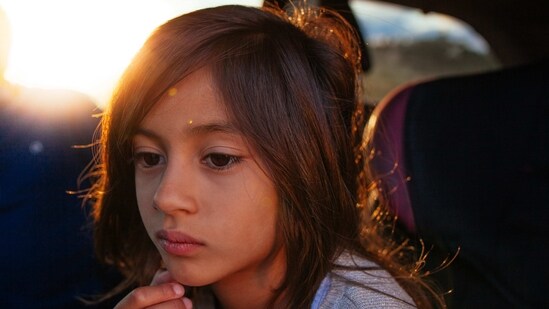
Anxiety and depression among school-aged children and teens in the United States are at an all-time high. Sadly, in 2021, child and adolescent mental health were declared a national emergency. Although various causes are thought to contribute to this decline in mental health, a new study by three prominent researchers specializing in child development points to independent "child's play."
Findings, published in the Journal of Pediatrics, suggest that the rise in mental health disorders is attributed to a decline over decades in opportunities for children and teens to play, roam and engage in activities independent of direct oversight and control by adults. Although well intended, adults' drive to guide and protect children and teens has deprived them of the independence they need for mental health, contributing to record levels of anxiety, depression, and suicide among young people.
"Parents today are regularly subject to messages about the dangers that might befall unsupervised children and the value of high achievement in school. But they hear little of the countervailing messages that if children are to grow up well-adjusted, they need ever-increasing opportunities for independent activity, including self-directed play and meaningful contributions to family and community life, which are signs that they are trusted, responsible, and capable. They need to feel they can deal effectively with the real world, not just the world of school," said David F Bjorklund, PhD, co-author and a professor in the Department of Psychology in Florida Atlantic University's Charles E Schmidt College of Science.
The study also showed that children's freedom to engage in activities that involve some degree of risk and personal responsibility away from adults also has declined over the decades. Risky play, such as climbing high into a tree, helps protect children from developing phobias and reduces future anxiety by boosting self-confidence to deal with emergencies.
{{/usCountry}}The study also showed that children's freedom to engage in activities that involve some degree of risk and personal responsibility away from adults also has declined over the decades. Risky play, such as climbing high into a tree, helps protect children from developing phobias and reduces future anxiety by boosting self-confidence to deal with emergencies.
{{/usCountry}}Among the many constraints that impact independent activity in children today identified in the study include the increased time they spend in school and on schoolwork at home. Between 1950 and 2010, the average length of the school year in the US increased by five weeks. Homework, which was once rare or nonexistent in elementary school, is now common even in kindergarten. Moreover, by 2014, the average time spent in recess (including any recess associated with the lunch period) for elementary schools was just 26.9 minutes a day, and some schools had no recess at all.
"A major category of independent activity, especially for young children, is play," said Bjorklund. "Research, as well as everyday observation, indicates that play is a direct source of children's happiness."
The researchers suggest the increase in school time and pressure to achieve over decades may have impacted mental health not just by detracting from time and opportunity for independent activities but also because fear of academic failure, or fear of insufficient achievement, is a direct source of distress.
"Unlike other crises, such as the COVID epidemic, this decline in independent activity, and hence, mental wellbeing in children has crept up on us gradually, over decades, so many have barely noticed it," said Bjorklund. "Moreover, unlike other health crises, this one is not the result of a highly contagious virus, but rather the result of good intentions carried too far -- intentions to protect children and provide what many believed to be better (interpreted as more) schooling, both in and out of actual schools."
For the study, Bjorklund and co-authors Peter Gray, PhD, lead author and a research professor in the Department of Psychology at Boston College; and David F Lancy, PhD, professor emeritus in the College of Humanities and Social Sciences at Utah State University, summarizes the large decline over decades in children's opportunities for independent activity; a large decline over the same decades in young people's mental health; effects of independent activity on children's happiness; and effects of independent activity in building long-term psychological resilience.
The article concludes by noting that concern for children's safety and the value of adult guidance needs to be tempered by the recognition that, as children grow, they need ever-increasing opportunities to manage their own activities independently. The article suggests ways by which this can be accomplished in today's world and ways that paediatricians, family doctors, and public policymakers can help promote such change.
Follow more stories on Facebook & Twitter
This story has been published from a wire agency feed without modifications to the text. Only the headline has been changed.Catch your daily dose of Fashion, Taylor Swift, Health, Festivals, Travel, Relationship, Recipe and all the other Latest Lifestyle News on Hindustan Times Website and APPs.
Catch your daily dose of Fashion, Taylor Swift, Health, Festivals, Travel, Relationship, Recipe and all the other Latest Lifestyle News on Hindustan Times Website and APPs.