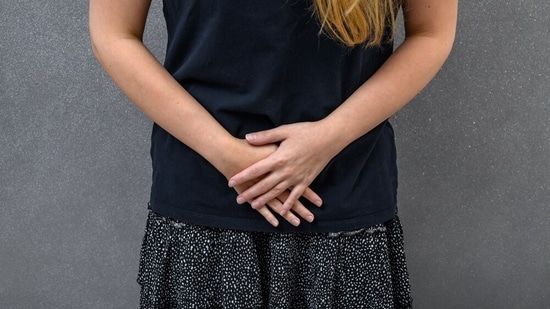
Monsoon brings more than just cool breezes and tea cravings whenever it rains. It also invites a wave of serious health challenges, whether it's stomach infections or eye irritations. One of the most common yet overlooked areas is intimate hygiene. The intimate areas are already quite cramped, making them more vulnerable to the weather conditions of monsoon, resulting in discomfort and even infections.
Dr Gayatri Deshpande, Director & HoD, Gynaecology & Obstetrics, Nanavati Max Super Speciality Hospital, Mumbai, shared with HT Lifestyle how the rising humidity results in excessive sweating around the intimate area.
Why is the intimate area vulnerable to infection this monsoon?
Intimate area infections rise during the monsoon, making it important to understand the risks and adopt adequate preventive measures. Excessive sweating commonly gets trapped, creating an ideal breeding ground for bacteria and fungi.
Dr Gayatri explained, “During the monsoon, humidity levels are relatively high, which can lead to excessive sweating—both during work and at home. This often results in a persistent feeling of wetness around the vaginal area and other parts of the body, increasing the risk of infections. These infections may be fungal (e.g., candidiasis) or bacterial in nature.”
Tips to prevent infections
{{/usCountry}}Dr Gayatri explained, “During the monsoon, humidity levels are relatively high, which can lead to excessive sweating—both during work and at home. This often results in a persistent feeling of wetness around the vaginal area and other parts of the body, increasing the risk of infections. These infections may be fungal (e.g., candidiasis) or bacterial in nature.”
Tips to prevent infections
{{/usCountry}}Dr Gayatri Deshpande listed out six tips to help prevent infections and maintain hygiene in the intimate area during the monsoon season:
1. Keep the area dry using a soft napkin, towel, or tissue paper
2. Use Lactacyd or any other lactobacilli-based vaginal wash after using the lavatory.
3. If you notice any white or yellow vaginal discharge, consult a gynaecologist at the earliest.
4. Opt for pure cotton sanitary napkins rather than super-absorbent chemical-based ones.
5. Change your undergarments twice a day, and change sanitary napkins every 4–5 hours during your menstrual cycle.
6. The use of oral probiotics such as Eco flora, Vibrant, or Evebact-Mil can help boost immunity and maintain vaginal health.
Note to readers: This article is for informational purposes only and not a substitute for professional medical advice. Always seek the advice of your doctor with any questions about a medical condition.
Catch your daily dose of Fashion, Taylor Swift, Health, Festivals, Travel, Relationship, Recipe and all the other Latest Lifestyle News on Hindustan Times Website and APPs.
Catch your daily dose of Fashion, Taylor Swift, Health, Festivals, Travel, Relationship, Recipe and all the other Latest Lifestyle News on Hindustan Times Website and APPs.