
 E-Paper



Health Talk | What experts say on Trump’s acetaminophen-autism claim

 Prefer HTon Google


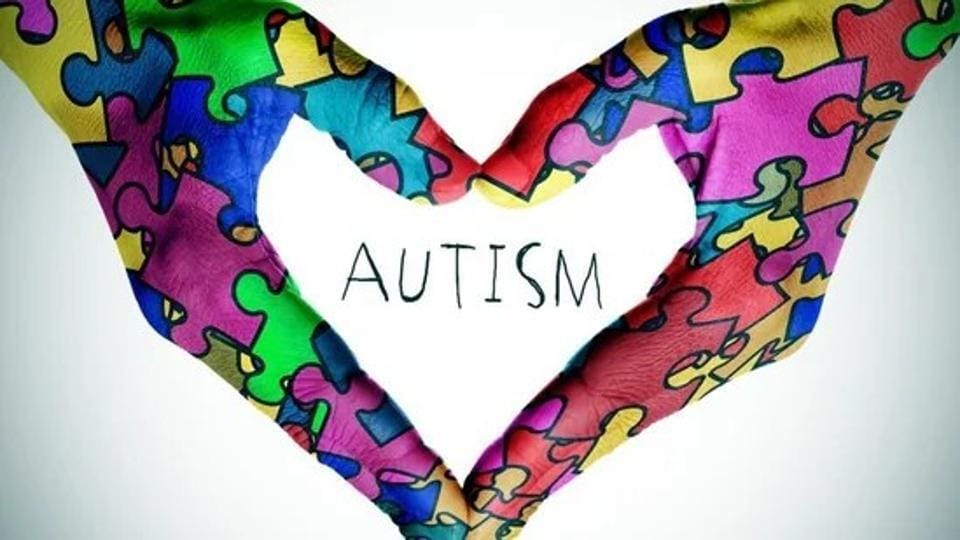
The World Health Organisation has issued a detailed statement saying there was no concrete evidence to establish a link between acetaminophen and autism
US president Donal Trump claimed there could be a possible link between acetaminophen— an anti-fever and pain reliever drug, also known as paracetamol in India— and autism, if taken during pregnancy. Autism Spectrum Disorder is a neurological and developmental disorder.
The claim, however, met with a severe backlash from experts and organisations working in the field of public health. The latest to issue a statement is the UN health body— World Health Organisation (WHO)— that issued a detailed statement saying there was no concrete evidence to establish a link between the drug and disorder.
“The World Health Organization (WHO) emphasizes that there is currently no conclusive scientific evidence confirming a possible link between autism and use of acetaminophen (also known as paracetamol) during pregnancy,” said WHO in its statement.
Globally, nearly 62 million people (1 in 127) have autism spectrum disorder, a diverse group of conditions related to development of the brain. Although awareness and diagnosis have improved in recent years, the exact causes of autism have not been established, and it is understood there are multiple factors that can be involved.
“Extensive research has been undertaken over the past decade, including large-scale studies, looking into links between acetaminophen use during pregnancy and autism. At this time, no consistent association has been established,” said the statement.
As on date, acetaminophen or paracetamol is considered a safe medicine to take for pregnant women.
WHO recommended that all women continue to follow advice of their doctors or health workers, who can help assess individual circumstances and recommend necessary medicines. Any medicine should be used with caution during pregnancy, especially in the first three months, and in line with advice from health professionals, it said.
Autism and neurodevelopmental disorders were among priority mental health and neurological conditions being discussed at the 4th UN High-Level Meeting on NCDs and mental health on September 25.
“As a global community, we need to do more to understand the causes of autism and how best to care for and support the needs of autistic people and their families. WHO is committed to advancing this goal, working together with partners, including autistic-led organizations and other organizations representing persons with lived experience,” it said.
The WHO statement is one of the many issued after Trump made that claim. The Yale School of Public Health also published a piece online that said there are no studies yet that have established a causal link.
“Yale School of Public Health Associate Professor Dr. Zeyan Liew, PhD, MPH, has spent years investigating contributors to neurodevelopmental disorders. He says that there is no proven causal relationship between acetaminophen use and autism,” it said.
“Several large observational studies have reported “associations” between frequent or prolonged acetaminophen use during pregnancy and higher rates of neurodevelopmental disorders in children. But experts emphasize that these studies are not conclusive. Other factors, such as underlying illness or genetic predisposition, could also play a role in the development of autism,” it added.
There may be adverse-effects associated with certain drugs or even vaccines but one needs to look at the larger picture by doing a risk-benefit analysis. Generally, it makes sense to go for it if the benefits far outweigh risks.

Catch your daily dose of Fashion, Taylor Swift, Health, Festivals, Travel, Relationship, Recipe and all the other Latest Lifestyle News on Hindustan Times Website and APPs.


