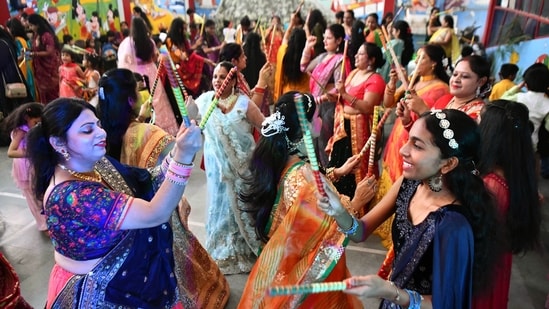
Garba is an integral part of many Navratri celebrations, involving music, movement and hours of dancing. For many, this involves several consecutive evenings of physical activity that are very different from the rest of their evenings throughout the year, in terms of the stress they place on their cardiovascular system.
Also Read | Men can get breast cancer too: Surgical oncologist explains the early signs and why they are often ignored
While people often associate heart disease with older age or an obvious lack of fitness, in reality, someone who appears fit and leads an active life may still have underlying cardiovascular risk factors. And during garba, the combination of sustained exertion, inadequate hydration and insufficient recovery can increase the strain on the heart, shared cardiologist Dr Ajeet Bana with HT Lifestyle.
“During garba, the combination of sustained exertion, inadequate hydration and insufficient recovery can increase the strain on the heart. People with high blood pressure, diabetes, elevated cholesterol or a family history of heart disease need to be particularly mindful of their health,” he stated.
He went on to share a few practical precautions that can help reduce avoidable risks, which are presented as follows.
1. Warm up before dancing
{{/usCountry}}He went on to share a few practical precautions that can help reduce avoidable risks, which are presented as follows.
1. Warm up before dancing
{{/usCountry}}Starting several hours of vigorous dancing without preparing the body can cause a sudden rise in heart rate and blood pressure, cautioned Dr Bana, noting that this can be especially demanding for people who spend most of their day sitting and exercise infrequently.
“Begin with a few minutes of gentle movement and increase the pace gradually. If you are returning to physical activity after a long break, start with shorter sessions and allow your stamina to build over time. Avoid trying to match the pace of experienced dancers from the beginning,” advised the cardiologist.
2. Stay hydrated throughout the evening
Extended dancing causes fluid loss through sweating. Dehydration can contribute to dizziness, fatigue and a rapid heartbeat, making physical exertion harder to tolerate.
Dr Bana’s advice: “Drink water at regular intervals and take breaks between dance sessions. Those observing a fast should plan their activity according to their energy levels and hydration needs. People with heart or kidney conditions who have been advised to restrict fluids should follow their treating doctor's guidance.”
3. Recognise the warning signs
A faster heartbeat and heavier breathing are natural responses to exercise. However, Dr Bana pointed out that chest discomfort, breathlessness that seems excessive for the level of effort, dizziness, fainting or persistent palpitations deserve immediate attention.
“Stop dancing if any of these symptoms occur,” he stated. “Severe breathlessness, chest pain or fainting requires urgent medical assessment. Continuing to dance in the hope that the symptoms will settle can delay essential treatment.”
He further emphasised that a change in the usual exercise tolerance of an individual deserves attention. If an activity that was previously comfortable suddenly leaves one unusually breathless or exhausted, it is important to seek medical advice.
4. Understand your cardiovascular risk
In the words of Dr Bana, “People with a history of heart attack, coronary artery disease, heart failure or heart rhythm disorders should consult their doctor about the level of physical activity appropriate for them. The same applies to individuals with uncontrolled blood pressure or unexplained breathlessness during routine activities.”
The cardiologist highlighted that a person can have cardiovascular risk factors even while feeling healthy. High blood pressure and elevated cholesterol, for instance, may remain undetected without regular screening. Those with diabetes or a family history of heart disease should be especially attentive to their risk.
“If you have experienced unexplained chest discomfort, persistent fatigue or a decline in your ability to exercise, seek medical evaluation before participating in prolonged, vigorous dancing,” cautioned Dr Bana.
5. Pace yourself and allow time to recover
Acknowledging that the excitement of the occasion can make it tempting to dance continuously, Dr Bana noted that taking regular breaks allows the body to recover and helps one manage the duration and intensity of physical activity.
“Wear comfortable footwear, maintain a pace suited to your fitness and stop when you feel excessively tired. Avoid using energy drinks or excessive caffeine to overcome fatigue. Adequate sleep and recovery between consecutive evenings of dancing are equally important,” he advised.
Note to readers: This article is for informational purposes only and not a substitute for professional medical advice. Always seek the advice of your doctor with any questions about a medical condition.
Dr Ajeet Bana is the chairman of Cardiac Sciences at EHCC Hospital, Jaipur.
Catch your daily dose of Fashion, Taylor Swift, Health, Festivals, Travel, Relationship, Recipe and all the other Latest Lifestyle News on Hindustan Times Website and APPs.
Catch your daily dose of Fashion, Taylor Swift, Health, Festivals, Travel, Relationship, Recipe and all the other Latest Lifestyle News on Hindustan Times Website and APPs.