
 E-Paper



Selfies and FOMO: Why self-centered people are all about social media

 Prefer HTon Google


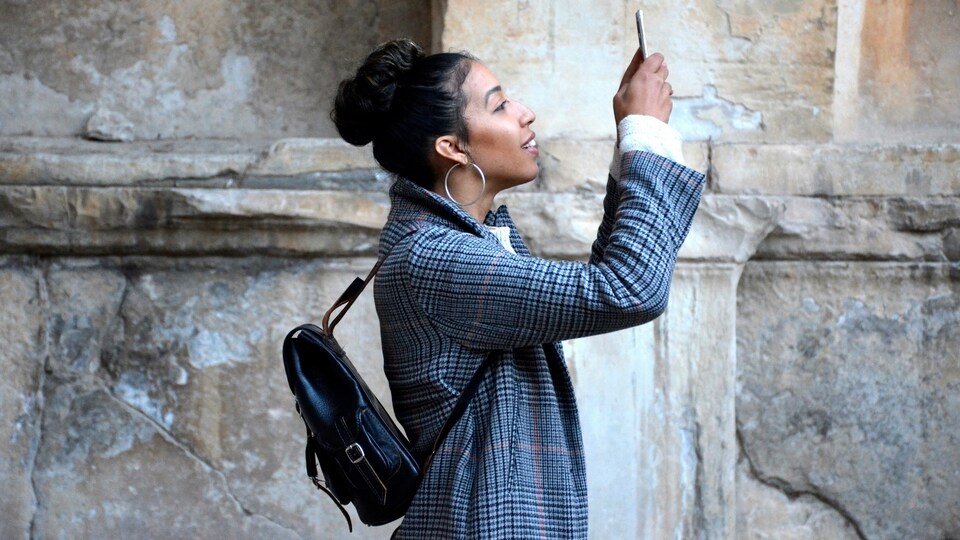
Research indicates that self-centered individuals' social media usage is primarily driven by FOMO, not self-centeredness.
A recent study published in the Canadian Journal of Behavioural Science challenges the assumption that self-centered individuals use social media mainly for self-promotion. Traditionally, it was believed that such people, often seen as highly independent, would experience less fear of missing out (FOMO) compared to those who are more socially connected. However, the researchers aimed to determine whether FOMO significantly influences social media usage among self-centred individuals. (Also read: Social media videos convincing adults they have undiagnosed ADHD? Researchers warn against self-diagnosis )
Exploring the role of FOMO in social media use
The study included three parts. In the first part, 199 U.S. adults were surveyed about their self-centeredness, FOMO, and social media habits. Self-centeredness was evaluated through a three-item questionnaire focused on how much individuals concentrate on themselves during conversations, while FOMO was assessed with a ten-item questionnaire featuring statements like, “I fear my friends have more rewarding experiences than me.” The participants also reported their daily social media usage and engagement levels. Results showed that self-centred individuals did use social media more frequently, but this relationship was fully mediated by FOMO, meaning that it was FOMO, rather than self-centeredness alone, that led to increased online activity.
In the second study, the researchers manipulated self-centeredness among 241 adults by asking some to recall a selfish moment while others wrote about a typical day. Participants then completed the same FOMO and social media usage questionnaires. The findings were consistent; self-centeredness increased social media use only in the presence of FOMO.
Vulnerability behind the self-centered persona

The final study aimed to see if priming FOMO would alter the connection between self-centeredness and social media use. When participants were prompted to think about FOMO, the relationship with social media usage disappeared, indicating that FOMO is a key driver of social media behaviour among self-centred individuals. James A. Roberts, the study’s author, expressed scepticism about the notion that self-centred people genuinely believe they are superior to others. Instead, he suggested that their behaviour may stem from feelings of inadequacy.
These findings have significant implications, revealing that self-centred individuals approach social media from a vulnerable standpoint rather than merely seeking to boost their self-image. However, the study has limitations, including data collected during the COVID-19 pandemic, which may have intensified FOMO due to social isolation. Future research could further explore the psychological factors influencing social media behaviour and assess its impact on well-being, especially given the rising concern over addiction to short-form video content among younger generations.


