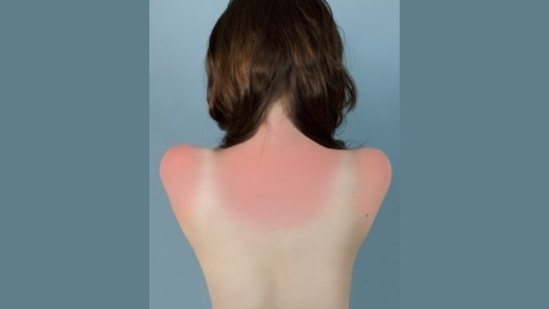
Sun exposure is necessary for everyone to synthesize vitamin D, which helps calcium absorption for stronger and healthier bones. However, exposure to ultraviolet (UV) radiation from the sun without protection can harm the skin, eyes and immune system while cancer may potentially result from it.
In an interview with HT Lifestyle, Dr Akriti Gupta, Cosmetic Dermatologist at Jivisha Clinic at New Delhi, elaborated, “The skin is harmed by sunburn and excessive UV radiation exposure. Skin cancer or early skin ageing may result from this injury (photoaging). The sunburn is a result of solar damage. It is brought on by prolonged exposure to UV radiation. Sunburn may happen on any region of the body, including the face, the body, the scalp and even closed areas if you are wearing loose-fitting clothing that leaves a gap that allows UV rays to enter. A bad sunburn may take several days to heal.”
Signs of sunburn:
Asserting to never leave your house without sunscreen on, especially between 10 am and 4 pm when the sun is at it’s strongest, Dr Akriti Gupta advised to apply sunscreen on cloudy days. She listed the following signs of a sunburn:
1. The skin turns red.
{{/usCountry}}1. The skin turns red.
{{/usCountry}}2. It's hot and constricting.
3. There might be some discomfort and soreness.
4. You can endure blisters, swelling, and skin peeling if you have a second-degree sunburn.
Tips to avoid sunburn:
Dr Akriti Gupta recommended, “Limiting exposure and protecting your skin are the greatest ways to safeguard yourself from the harmful effects of the sun. Take a chilly shower, apply cold water to your skin, remain hydrated, avoid peeling off your skin, take pain medication if necessary, and consider applying a topical cooling and moisturising ointment.”
She suggested a few tips to avoid sunburn:
1. Apply a broad-spectrum, water-resistant sunscreen with a minimum SPF of 30 generously to all exposed skin. The term "broad spectrum" refers to a sunscreen that shields you from UVA and UVB radiation. Apply again after two hours, after swimming, and after sweating.
2. When feasible, dress protectively by donning long sleeves, slacks, a hat with a broad brim, and sunglasses. Look for clothing that is tightly knit or has a UV protection factor (UPF).
3. Incorporate vitamin D into your children's diet as well as applying sunscreen to infants and toddlers as well as older children.
4. When near water, snow, or sand, exercise particular caution. They deflect the sun's harmful rays. This might make you more likely to become sunburned.
5. Intake sufficient vitamin D by eating a balanced diet that may also contain vitamin supplements.
6. Never use a tanning bed. Sunlight and tanning beds' ultraviolet rays can lead to skin cancer and wrinkles.
7. Use lip balm with at least SPF 15 to protect your lips.
Catch your daily dose of Fashion, Taylor Swift, Health, Festivals, Travel, Relationship, Recipe and all the other Latest Lifestyle News on Hindustan Times Website and APPs.
Catch your daily dose of Fashion, Taylor Swift, Health, Festivals, Travel, Relationship, Recipe and all the other Latest Lifestyle News on Hindustan Times Website and APPs.