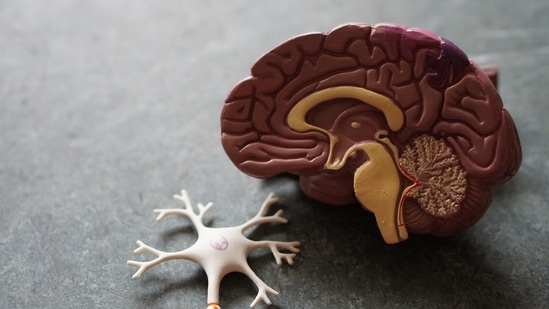
Millions of cases of dementia could be prevented or delayed by reducing a range of risk factors such as smoking or air pollution, according to a major new study, though outside experts warn that such measures can only go so far. The debilitating condition, which progressively robs people of their memories, cognitive abilities, language and independence, currently affects more than 55 million people across the world.
Dementia is caused by a range of diseases, the most common of which is Alzheimer's. A huge review of the available evidence published in The Lancet journal on Wednesday said that the "potential for prevention is high" in the fight against dementia. The study follows a previous report in 2020 that also emphasised the importance of prevention.
At the time, the international team of researchers estimated that 40 percent of dementia cases were linked to 12 risk factors. The factors included people having a lower level of education, hearing problems, high blood pressure, smoking, obesity, depression, physical inactivity, diabetes, excessive drinking, traumatic brain injury, air pollution and social isolation. The latest update adds two more risk factors: vision loss and high cholesterol. "Nearly half of dementias could theoretically be prevented by eliminating these 14 risk factors," the study said.
EU turns down new drug
Decades of research and billions of dollars have failed to produce a cure or truly effective drug for dementia. But since the start of last year, two Alzheimer's treatments have been approved in the United States: Biogen's lecanemab and Eli Lilly's donanemab. They work by targeting the build-up of two proteins -- tau and amyloid beta -- considered to be one of the main ways the disease progresses.
{{/usCountry}}Decades of research and billions of dollars have failed to produce a cure or truly effective drug for dementia. But since the start of last year, two Alzheimer's treatments have been approved in the United States: Biogen's lecanemab and Eli Lilly's donanemab. They work by targeting the build-up of two proteins -- tau and amyloid beta -- considered to be one of the main ways the disease progresses.
{{/usCountry}}However, the benefits of the drugs remain modest, they have severe side effects, and they are often very expensive. In contrast to the US, the European Union's medicine watchdog last week refused to approve lecanemab, and it is still considering donanemab. Some researchers hope the fact that the new drugs work at all means they will pave the way for more effective treatments in the future.
Others prefer to focus on ways to prevent dementia in the first place. Masud Husain, a neurologist at the UK's University of Oxford, said that focusing on risk factors "would be far more cost effective than developing high-tech treatments which so far have been disappointing in their impacts on people with established dementia".
‘How much more could we do?’
The Lancet study was welcomed by experts in the field, among whom the importance of prevention is hardly debatable. However, some said the idea that nearly half of all dementia cases could be prevented should be put in perspective. It has not been proven that the risk factors directly cause dementia, as the authors of the study acknowledged. For example, could it be dementia that is causing depression, rather than the other way around?
It is also difficult to separate the risk factors from each other, though the researchers tried. Some could be intrinsically linked, such as depression and isolation, or smoking and high blood pressure. Above all, many of the risk factors are societal scourges that have long proven near impossible to fully address. The study lays out different recommendations ranging from the personal -- such as wearing a helmet while cycling -- to governmental, such as improving access to education.
"It is not clear whether we could ever completely eliminate any of these risk factors," Charles Marshall, a neurologist at Queen Mary University of London, told AFP. “We already have public health programmes to reduce smoking and hypertension (high blood pressure), so how much more could we do?” Tara Spires-Jones, a neuroscientist at the University of Edinburgh, said it was important that "we do not blame people living with dementia for their brain disease".
That is because "it is clear that a large portion of dementias could not be prevented due to genes and things beyond people's control, like opportunities for education as children", she added.
This story has been published from a wire agency feed without modifications to the text. Only the headline has been changed.Catch your daily dose of Fashion, Taylor Swift, Health, Festivals, Travel, Relationship, Recipe and all the other Latest Lifestyle News on Hindustan Times Website and APPs.
Catch your daily dose of Fashion, Taylor Swift, Health, Festivals, Travel, Relationship, Recipe and all the other Latest Lifestyle News on Hindustan Times Website and APPs.