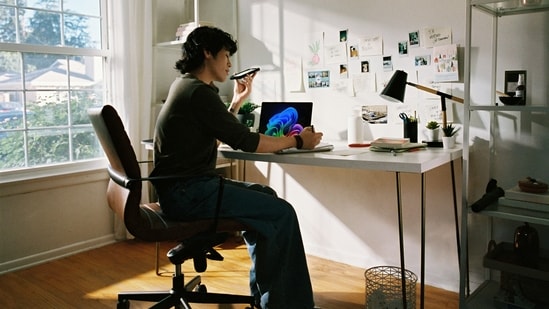
The work-from-home culture has made professional life more flexible, but it has also brought a growing health concern into focus. Backaches, neck stiffness, shoulder discomfort and hip pain are increasingly common among people who spend long hours working at their desks without adequate movement or ergonomic support.
In an interview with HT Lifestyle, Dr Ashish Agrawal, Department of Physiotherapy, CK Birla Hospitals, Jaipur, explains how prolonged sitting and poor ergonomics contribute to musculoskeletal pain and shares practical ways to prevent it. (Also read: Getting 7 to 9 hours of sleep but still feeling exhausted? Pulmonologist Dr Shivani Swami on what your body could be telling you )
The hidden physical cost of sitting for hours
“The human body is designed for movement, not prolonged sitting. When we remain in one position for hours, our muscles and joints are subjected to sustained mechanical stress. Over time, this can contribute to stiffness, discomfort and reduced functional mobility,” says Dr Agrawal.
“The problem is not simply sitting itself, but the duration for which we sit without changing position. Prolonged static postures can increase the load on certain muscles and joints, while reducing opportunities for movement that help maintain mobility and comfort,” explains Dr Agrawal.
{{/usCountry}}“The problem is not simply sitting itself, but the duration for which we sit without changing position. Prolonged static postures can increase the load on certain muscles and joints, while reducing opportunities for movement that help maintain mobility and comfort,” explains Dr Agrawal.
{{/usCountry}}At approximately 60 degrees of neck flexion, some biomechanical models estimate that the effective load on the cervical spine can reach around 27 kilograms, although estimates vary.
“When the head remains tilted forward towards a laptop or mobile screen, the neck muscles must work harder to support it. This is why screen positioning and regular posture changes are important for people who work for long hours at a desk,” he adds.
How prolonged sitting affects the hips and lower back
“Long periods of sitting, combined with insufficient physical activity, may contribute to hip stiffness, reduced gluteal muscle activation and lower-back discomfort. Some people also experience difficulty when getting up after sitting for several hours. However, pain radiating down the leg should not automatically be attributed to inactive gluteal muscles and may require professional assessment,” says Dr Agrawal.
The term gluteal amnesia is sometimes used informally to describe reduced gluteal muscle activation, but it is not a formal medical diagnosis. Sciatica-like symptoms can have several underlying causes.
Can poor ergonomics make the problem worse?
An unsuitable chair, a laptop positioned too low, inadequate back support and incorrect screen positioning can encourage awkward postures. However, posture is not the only factor contributing to musculoskeletal pain; repetitive movements, stress, sleep quality, previous injuries and overall fitness also matter.
“There is no single perfect posture that everyone must maintain throughout the day. The goal is to create a comfortable workstation and, more importantly, to avoid staying in one position for too long. Even a well-designed workstation cannot compensate for a complete lack of movement,” Dr Agrawal emphasises.
What can people do to prevent work-from-home-related pain?
Dr Agrawal recommends keeping the screen near eye level, supporting the lower back, placing the feet flat on the floor and using an external keyboard and mouse when working on a laptop for extended periods.
Regular movement breaks are equally important. Standing, stretching or walking for two to five minutes every 30–60 minutes can help interrupt prolonged sitting.
“Movement breaks should become a routine part of the workday, not something we do only after pain begins. A short walk, a few gentle stretches or simply changing position regularly can help interrupt prolonged sitting and encourage a more active working pattern,” he says.
“Exercise should be appropriate to an individual's symptoms, medical history and functional abilities, particularly when pain is already present. The focus should be on building strength, maintaining mobility and gradually increasing activity rather than pushing through discomfort,” Dr Agrawal advises.
“People should not assume that every episode of back or neck pain is caused by sitting. If symptoms persist, worsen or begin to interfere with everyday activities, seeking timely professional advice can help ensure appropriate management,” says Dr Agrawal.
Building healthier work-from-home habits
The work-from-home lifestyle is here to stay, but maintaining musculoskeletal health requires balancing desk work with regular movement, exercise and adequate recovery. A comfortable workstation and consistent activity breaks can help reduce the strain associated with prolonged sitting.
“Your body does not need heavy physical work to develop pain. Sometimes, the greatest strain comes from doing too little, for too long. By making movement a regular part of the working day, we can support musculoskeletal health, improve comfort and build healthier work habits,” he concludes.
Note to readers: This article is for informational purposes only and not a substitute for professional medical advice. Always seek the advice of your doctor with any questions about a medical condition.
Catch your daily dose of Fashion, Taylor Swift, Health, Festivals, Travel, Relationship, Recipe and all the other Latest Lifestyle News on Hindustan Times Website and APPs.
Catch your daily dose of Fashion, Taylor Swift, Health, Festivals, Travel, Relationship, Recipe and all the other Latest Lifestyle News on Hindustan Times Website and APPs.