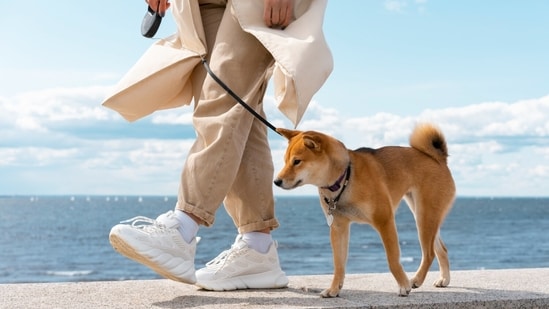
Dogs eagerly await their daily walks. With puppy eyes, they wait for you by the door. Like clockwork, they know exactly when it's time to head outside. As a pet parent, the responsibility falls on you to ensure that these walks are safe, comfortable, and suited to your dog's needs. Sometimes, pet parents may think a dog walk is only about bathroom breaks. But in reality, it is so much more. ALSO READ: Do you have a large breed dog? Vet shares one of the biggest health challenges they may face and 3 major warning signs
We asked Dr Deepak Saraswat, head vet at Zigly Pet Care, to explain the health benefits of dog walks and why pet parents should not treat them as mere bathroom breaks. He talked about how regular walks support physical fitness. It also provides essential mental stimulation.
He said,“ Regular walks are an important part of preventive health care for dogs. From a clinical perspective, consistent physical activity helps dogs maintain a healthy body condition and supports cardiovascular fitness, muscle tone and joint mobility. It also helps regulate energy balance and reduce the risk of weight gain when combined with appropriate nutrition."
However, he also urged pet parents to exercise caution, as walking a dog incorrectly may cause discomfort or harm. Dr Saraswat highlighted some common mistakes pet parents should avoid while walking their dogs:
1. Using the wrong leash or collar
- A collar or leash that is too tight, too heavy, or otherwise unsuitable for the dog can cause discomfort during the walk.
- This becomes particularly important for small dogs, puppies, and short-nosed breeds, which may be more sensitive to pressure around the neck.
- Pet parents should choose walking equipment that fits properly and allows the dog to move comfortably.
2. Constantly pulling or dragging the dog
- A walk should not become a constant tug-of-war. Pulling a dog repeatedly by the leash can put unnecessary pressure on the neck and may make the experience stressful for the pet.
- Pet parents, instead, should work on loose-leash walking and allow their dog to move at a comfortable pace, while using positive reinforcement to encourage good walking behaviour.
1. Using the wrong leash or collar
- A collar or leash that is too tight, too heavy, or otherwise unsuitable for the dog can cause discomfort during the walk.
- This becomes particularly important for small dogs, puppies, and short-nosed breeds, which may be more sensitive to pressure around the neck.
- Pet parents should choose walking equipment that fits properly and allows the dog to move comfortably.
2. Constantly pulling or dragging the dog
- A walk should not become a constant tug-of-war. Pulling a dog repeatedly by the leash can put unnecessary pressure on the neck and may make the experience stressful for the pet.
- Pet parents, instead, should work on loose-leash walking and allow their dog to move at a comfortable pace, while using positive reinforcement to encourage good walking behaviour.
3. Treating every walk like a workout
- More exercise is not necessarily better for every dog. A young puppy, senior dog, overweight pet, or dog with joint, heart, or respiratory concerns may have very different exercise requirements from a healthy adult dog.
- Long or intense walks should be introduced gradually, and pet parents should watch for signs of fatigue such as excessive panting, repeated stopping, limping, or difficulty keeping up.
4. Not allowing enough time to sniff and explore
- Some pet parents focus only on covering a particular distance or completing the walk quickly. But this is the wrong approach.
- Dogs experience the outside world through their sense of smell, and stopping to sniff can provide valuable mental stimulation.
- A good walk does not always need to be fast-paced; giving dogs some safe opportunities to explore can make the walk more enriching and enjoyable.
5. Ignoring the walking environment
- The route also matters. Hot pavements, slippery surfaces, broken roads, stagnant water, or areas with waste can expose dogs to avoidable risks.
- Pet parents should choose cleaner, safer walking paths and adjust the route depending on the weather and their dog’s physical condition.
- After the walk, particularly during the monsoon, paws and the lower coat should be checked and cleaned to remove mud, moisture, and potential contaminants.
In his parting advice, the vet emphasised that dog walking is more about consistency than making every walk longer or more strenuous. The duration and intensity should be adjusted according to the dog's age, breed, weight, body condition, and overall health.
He also cautioned that if your dog shows persistent fatigue, pain, limping, breathing difficulty, or noticeable changes in their usual walking pattern, you should seek veterinary advice rather than push them through the symptoms.
Note to readers: This article is for informational purposes only and not a substitute for professional medical advice. Always seek the advice of your doctor with any questions about a medical condition.