Raksha Bandhan is often pictured as a celebration of siblings, sweets, gifts and a colorful thread tied around the wrist. But if you look beyond the family ritual, the festival can also offer a quieter spiritual message about protection, responsibility and the relationships you choose to nurture.
In 2026, Raksha Bandhan will be observed on August 28, with the Shravan Purnima tithi beginning on August 27 at 9:08 a.m. and ending on August 28 at 9:48 a.m., according to Drik Panchang.
For spiritual seekers, the festival's meaning can extend beyond the traditional brother-sister bond.
Also Read Lunar Eclipse on Raksha Bandhan 2026: Should you change your rituals? Jai Madaan explains
What does Raksha Bandhan mean spiritually?
The words Raksha Bandhan refer to a bond of protection. The sacred thread tied during the festival has traditionally represented protection, affection and a promise of care. India's official tourism portal describes the rakhi as a symbol of love and protection that can extend beyond immediate siblings to relatives and friends.
Spiritual expert Yuvika Dhar, tells Hindustan Times that the day offers another way to look at the ritual. She says the rakhi can work as a kind of visual reminder, helping you stay connected to your duties, ethical values and family responsibilities.
{{/usCountry}}Spiritual expert Yuvika Dhar, tells Hindustan Times that the day offers another way to look at the ritual. She says the rakhi can work as a kind of visual reminder, helping you stay connected to your duties, ethical values and family responsibilities.
{{/usCountry}}That makes the simple act of tying a thread more meaningful. When you tie a rakhi, you are not only celebrating a relationship. You can also use the moment to think about what protection means to you and how you show it to others.
The sacred thread as a reminder
Dhar describes the rakhi as a form of “Raksha Kavach,” or protective shield, within the spiritual understanding of the festival.
You do not have to see this as a literal shield to appreciate the symbolism. The thread stays on the wrist as a daily reminder of the promise behind it.
Think about the people who make you feel safe, supported and understood. Then ask yourself whether you offer the same sense of care to them.
That small pause can turn a familiar festival ritual into an act of mindfulness.
Why does Rakhi Purnima have different meanings across India
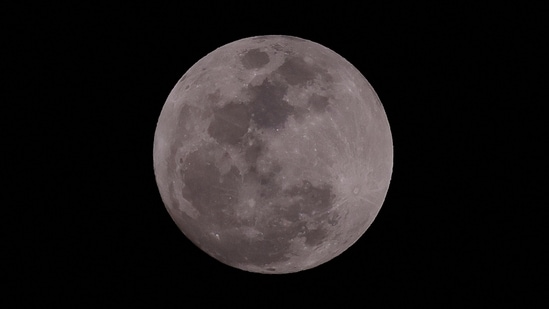
Raksha Bandhan is not the only festival associated with Shravan Purnima. The full Moon day carries different names and customs across India.
On the western coast, Narali Purnima is associated with fishing communities offering coconuts to Varuna, the deity linked with the ocean. In parts of South India, the day is observed as Upakarma or Avani Avittam, traditionally linked with renewing the sacred thread and returning to Vedic study.
Some farming communities observe Kajari Purnima, connecting the day with hopes for a prosperous agricultural season.
These traditions show how one full Moon day can hold different spiritual meanings while keeping a common theme of renewal and responsibility.
From monsoon reflection to a fresh beginning
Dhar connects Rakhi Purnima with the seasonal transition that follows the heavy monsoon period. Rain can slow travel and turn your attention inward. As the season changes, nature begins to look different and daily life gradually becomes active again.
You can view that transition as a spiritual metaphor.
The period of rain becomes a time for reflection. The clearing skies become a reminder to move forward.
That idea fits naturally with Raksha Bandhan. As you tie the thread, you can think about the relationships you want to protect, the promises you want to keep and the values you want to carry into the next phase of your life.
The festival may begin with a simple thread, but its meaning can become much larger when you pause to consider what that thread represents.
For a spiritual seeker, Raksha Bandhan can therefore become more than a celebration of sibling love. It can be a moment to ask a simple question: Who and what are you choosing to protect, and what responsibilities come with that choice?