E-Paper



Lunar Eclipse on Raksha Bandhan 2026: Should you change your rituals? Jai Madaan explains

 Prefer HTon Google


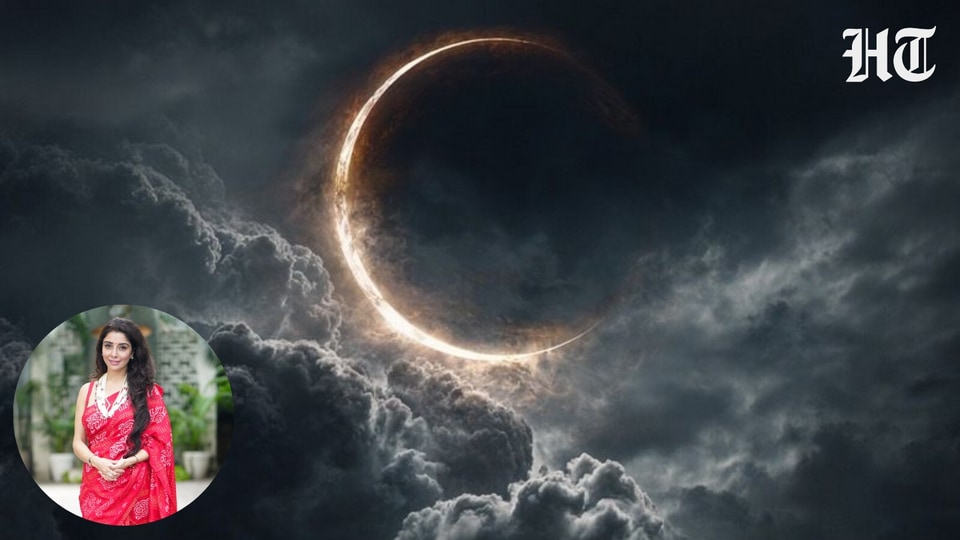
In India, the eclipse occurs in the early morning, with the partial phase beginning around 5:33 a.m. and ending shortly after 6:19 a.m.
Raksha Bandhan 2026 raises an unusual question for families across India: What happens when the festival coincides with a lunar eclipse? For many families, the eclipse may raise questions about when to perform the Rakhi ceremony, whether traditional rituals should be changed and how Sutak should be observed.
This year, Raksha Bandhan falls on August 28 and coincides with a partial lunar eclipse. In India, the eclipse occurs in the early morning, with the partial phase beginning around 5:33 a.m. and ending shortly after 6:19 a.m. Exact timings and visibility can vary depending on your location.
The first thing to understand is the difference between astronomy and tradition. Astronomically, a lunar eclipse is a natural celestial event. Spiritually and culturally, however, eclipses have held a special place in Indian traditions for centuries. Different communities follow different practices around food, prayer, temple visits, Sutak and auspicious ceremonies.
So, should you change your Raksha Bandhan rituals?
Follow your family tradition, but do not let fear guide your celebration. Spiritual expert and Vastu consultant Dr Jai Madaan explains that if your family traditionally avoids performing auspicious ceremonies during an eclipse, it is reasonable to adjust the timing of your Rakhi ceremony according to your Panchang and local customs.
There is also some practical reassurance. Since the eclipse occurs in the early morning, Raksha Bandhan rituals can be performed later, according to the appropriate local muhurat. For example, Panchang calculations for several Indian locations place the Rakhi ceremony after sunrise and after Bhadra has ended.
There is also a meaningful spiritual way to look at this timing. The Moon is traditionally associated with the mind and emotional life. When its light is temporarily obscured, it can symbolically represent the emotional shadows that families sometimes carry, including old resentment, unspoken hurt, ego or emotional distance. Instead of becoming anxious about the eclipse, you can use the moment for introspection.
If you follow spiritual practices, you could spend the early hours in quiet prayer, meditation, mantra chanting, or simply sitting in silence. Once the eclipse period and any personally observed rituals are complete, you can come together with your family and renew your intention to celebrate the bond that Raksha Bandhan represents.
Keep tradition separate from medical claims
It is also important not to turn traditional eclipse practices into medical claims. There is no scientific basis for saying that an eclipse itself makes ordinary food poisonous or causes physical harm simply because someone performs a particular activity. Spiritual observances are best understood within their cultural and religious context.
Ultimately, Raksha Bandhan is about raksha, or protection. In today's world, protection is not only physical. It can also mean offering emotional support, understanding and a sense of security to the people you love.
The best way to observe this year's unusual celestial coincidence is to ask yourself: Are you protecting your relationships from ego, silence and resentment? Tie the Rakhi. Say the words you have been postponing. Forgive where you can. Appreciate your siblings while you have the opportunity. After all, no eclipse can truly overshadow a relationship nurtured with love, understanding, and conscious effort.
ALSO READ: Raksha Bandhan 2026: Best gifts for your sister based on her zodiac sign, according to an astrologer
Disclaimer: Astrological and spiritual interpretations of eclipses are rooted in cultural and traditional beliefs and are not scientifically proven to influence relationships or personal outcomes. Follow the traditions that are meaningful to you, while relying on qualified professionals for medical or other important practical concerns.