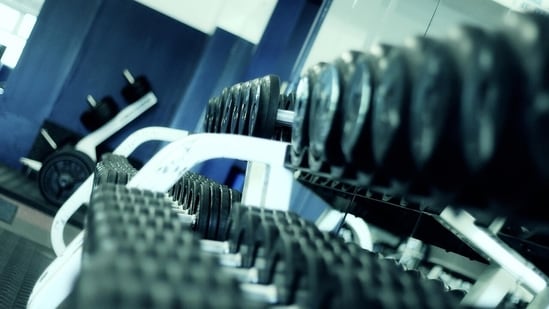
Barbells; chalk; the clang of iron plates. Strength training is having a moment. Planet Fitness, one of America’s biggest gym chains, is cutting back on treadmills in favour of power cages and trap bars. Even Peloton, a purveyor of expensive exercise bikes to the aspirational classes, is picking up the dumbbells—it now has an app targeted at strength training, rather than the cardio workouts on which it built its brand.
Gym fads come and go. But the rise of pumping iron will be welcomed by doctors and public health types, who have for many years been trying to persuade the public that while it is good to be fit, it is even better to be fit and strong. In 2010 the World Health Organisation added a recommendation of two sessions of muscle-strengthening exercise a week to its exercise guidelines; many governments have followed suit (Japan, for example, updated its advice in 2024).
Few people have heeded the advice, however. A study published in 2020 estimated that although around half of Western adults reported meeting the weekly guidelines for cardiovascular exercise such as jogging or cycling, only between 10% and 30%, depending on the country, claimed to meet the minimum for strength work.
There’s no doubt cardio is good for you—it lowers blood pressure, cuts the risk of heart disease, strokes and some kinds of cancer, and may even help treat depression. Fit people live up to seven years longer than couch potatoes. Being strong offers many of the same benefits. In the same way that bones are more than just scaffolding for the body (they also produce blood cells, for instance), muscle does more than merely move limbs. It also helps regulate metabolism, insulin sensitivity and cholesterol levels. The evidence is less robust than for cardio, but a review published in 2022 concluded that regular strength training seems to reduce the risk of heart diseases, diabetes and cancer.
{{/usCountry}}There’s no doubt cardio is good for you—it lowers blood pressure, cuts the risk of heart disease, strokes and some kinds of cancer, and may even help treat depression. Fit people live up to seven years longer than couch potatoes. Being strong offers many of the same benefits. In the same way that bones are more than just scaffolding for the body (they also produce blood cells, for instance), muscle does more than merely move limbs. It also helps regulate metabolism, insulin sensitivity and cholesterol levels. The evidence is less robust than for cardio, but a review published in 2022 concluded that regular strength training seems to reduce the risk of heart diseases, diabetes and cancer.
{{/usCountry}}Much of the medical interest in strength exercise, though, comes from its ability to prevent, or treat, sarcopenia. This is the decline in strength and muscle size that accompanies ageing, and which doctors increasingly think should be classified as a disorder in its own right. The body’s muscles naturally begin to shrink in one’s 30s and that loss is disproportionately from the powerful, short-acting “type 2” fibres that are responsible for explosive strength.
That process gathers pace in a person’s 60s and 70s. The result can be frail and unsteady people struggling with what doctors call “activities of daily living”, such as getting out of a chair or going out independently. Lack of muscle increases the risk of falls, a big killer of the elderly; makes it harder to recover from injuries and illness; and can worsen the prognosis of cachexia, the rapid muscle-wasting that often accompanies diseases such as cancer or heart failure.
With most of the world ageing rapidly, sarcopenia is only going to become a bigger problem. It could even be aggravated by the popularity of GLP-1 drugs like Wegovy. Some of the weight lost from people taking these drugs seems to come from shedding muscle rather than fat, which is not so healthy.
Though some degree of decrepitude is inevitable with age, the evidence suggests that, even for people in their 80s, a bit of pumping iron can work wonders. As so often in medicine, it is better to prevent a disease from taking hold in the first place than to try to cure it afterwards. The squat rack beckons.