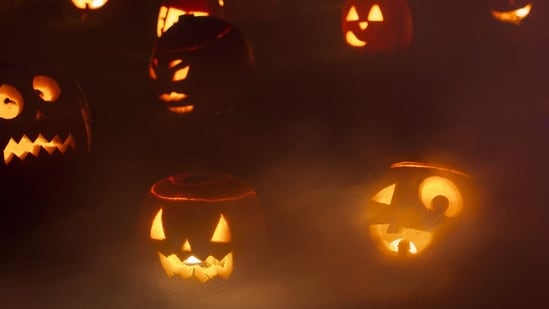
Halloween may be known for costumes, candy and spooky decorations, but its roots reach into older beliefs about death, nature and the spirit world. Long before Halloween became popular in the United States, Celtic communities observed Samhain, a seasonal festival that carried deep cultural and spiritual meaning.
Samhain and Hindu traditions such as Pitru Paksha both offer ways to explore how people remember the dead. However, their origins, rituals and beliefs differ. Understanding these differences can reveal how cultures approach ancestry, loss and the unseen world.
Also Read Halloween 2026: Why Samhain is believed to be a powerful night for connecting with ancestors
Who were the Celts and what was Samhain?
The Celts were diverse peoples who lived across parts of western and central Europe. They shared related languages and cultural traditions, although they did not form one unified community. Celtic heritage remains closely connected with places such as Ireland, Scotland, Wales, Brittany and Cornwall.
For Celtic communities, this seasonal change carried spiritual significance. Folklore linked Samhain to the belief that the boundary between the living and spirit worlds grew thinner.
{{/usCountry}}For Celtic communities, this seasonal change carried spiritual significance. Folklore linked Samhain to the belief that the boundary between the living and spirit worlds grew thinner.
{{/usCountry}}How did Samhain become part of Halloween?
Halloween did not begin as the modern celebration you recognise today. Samhain formed one part of its historical background, while Christian observances also shaped the holiday over time.
The National Museum of Ireland explains that Samhain marked the beginning of winter in the traditional Irish calendar. Its customs included feasting, games, disguises and beliefs about spirits.
Clodagh Doyle, Keeper of the National Folklife Collection at the museum, discusses how these older customs continue to influence Halloween traditions. Over time, Irish and Scottish immigrants also helped carry Halloween customs to North America.
Samhain vs Pitru Paksha: What is the difference?
Samhain centres on a seasonal transition and Celtic folklore about the spirit world. Some modern Pagan and Wiccan practitioners observe it by remembering the dead, reflecting on nature's cycles or holding ceremonies.
Pitru Paksha, meanwhile, follows the Hindu lunar calendar and dedicates a specific period to ancestors. Families may perform Shraddha rituals, offer food and water, and pray for their ancestors according to religious and regional customs.
The two traditions are not interchangeable. Pitru Paksha follows established Hindu religious practices, while Samhain comes from Celtic seasonal traditions.
What is the spiritual meaning of honouring ancestors?
Both traditions invite reflection on the relationship between the living and those who came before them. However, beliefs about spirits and the afterlife vary across cultures and cannot be treated as proven facts.
For you, exploring these traditions can offer a chance to think about family history, inherited values and the memories that shape your identity.
How can you explore Halloween's spiritual roots respectfully?
You can begin by learning about Celtic history and the communities that continue to observe Samhain. Reading family stories, reflecting on loved ones or learning about your own cultural customs can also make this season more meaningful.
Halloween's history goes beyond spooky entertainment. It reveals how seasonal rituals and ancestral remembrance have shaped different cultures, while reminding us that every tradition deserves to be understood on its own terms.