
 E-Paper



Think Halloween is only about costumes? Its ancient Celtic roots share a surprising link with Pitru Paksha

 Prefer HTon Google


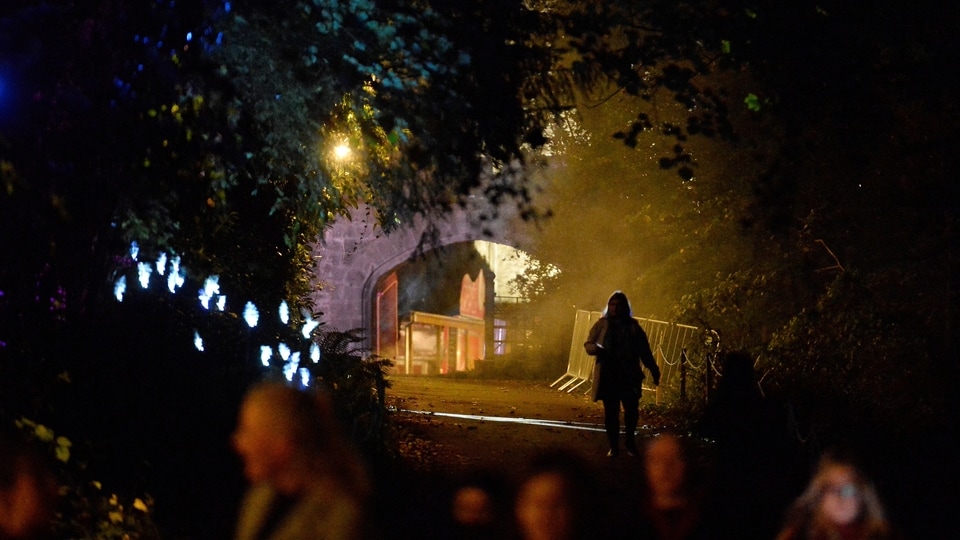
Samhain and Pitru Paksha developed in different cultural and religious settings. However, their rituals, calendars and beliefs are not the same. Read more.
Halloween may bring to mind costumes, candy and spooky decorations, but the holiday has deeper historical roots. Ancient Celtic traditions, seasonal rituals and beliefs about the spirit world helped shape the Halloween celebrations people know today.
One of these traditions is Samhain, an ancient Celtic festival that marks the end of the harvest and the beginning of winter. In Hindu culture, Pitru Paksha offers another example of a period dedicated to remembering departed ancestors. Although these observances come from different cultures, both highlight how people honour their connection with those who came before them.
Here is what you should know about Samhain, its Celtic origins and its similarities with Pitru Paksha.
Also Read Pitru Paksha 2026: Which day is most significant for ancestors, and what does it mean spiritually?
What is Samhain? Understanding ancient Celtic traditions
Samhain is an ancient Celtic tradition, traditionally observed from October 31 to November 1. Celtic communities in regions such as Ireland and Scotland marked this seasonal transition as the harvest ended and the darker winter months approached.
For these communities, the change of seasons also carried spiritual meaning. Celtic folklore associated Samhain with a time when the boundary between the living and the spirit world became thinner. Some people believed that spirits could cross into the human world during this period.
How did Samhain influence Halloween?
Halloween developed over centuries as older Celtic customs mixed with Christian observances. All Saints’ Day, celebrated on November 1 in Western Christianity, and All Souls’ Day, observed on November 2 in many Christian traditions, also shaped the season's customs.
Today, many Americans celebrate Halloween with costumes, trick-or-treating, pumpkin decorations and parties. However, some modern Pagan and Wiccan communities continue to observe Samhain as a spiritual occasion to reflect on seasonal change and remember the dead.
Not everyone who celebrates Halloween follows Samhain traditions, and the modern holiday is not identical to the ancient Celtic festival.
Also Read Halloween 2026: Why Samhain is believed to be a powerful night for connecting with ancestors
What is Pitru Paksha in Hindu tradition?
Pitru Paksha is a period in the Hindu lunar calendar dedicated to honouring ancestors. Families perform certain rituals, Shraddha, offer food and water, and pray for the peace of their ancestors, following their religious and regional customs.
Unlike Samhain, which marks a seasonal transition, Pitru Paksha centres on ancestral remembrance through specific religious observances. Its dates also change each year according to the Hindu lunar calendar.
Also Read Sadhguru on Pitru Paksha: Why Mahalaya Amavasya is more than a usual Amavasya
What do Samhain and Pitru Paksha have in common?
Samhain and Pitru Paksha developed in different cultural and religious settings. Their rituals, calendars and beliefs are not the same. However, both provide examples of how communities preserve memories of the dead and maintain a connection with their family history.
For some people, remembering ancestors offers a chance to reflect on family stories, cultural identity and the values passed down through generations.


