The Uttar Pradesh commercial tax department, responsible for the levy and collection of GST, is working on a project to fully automate recording and reporting mechanism to check tax evasion by vehicles.
It is a common practice that commercial vehicles enter UP for transit but deliver goods in the state thereby evading tax.
The department is planning to introduce Radio frequency identification (RFID) technology in automated toll systems as well as inventory management.
“We have decided to introduce ultra high frequency (UHF) RFID tags for all commercial vehicles entering UP. Every commercial vehicle entering the state will have to apply for transit permit as per the existing system to receive a RAFID tag assigned to its number,” commercial tax commissioner Mukesh Kumar Meshram told the HT.
He said work was on in full swing and the project would be rolled out by the year-end.
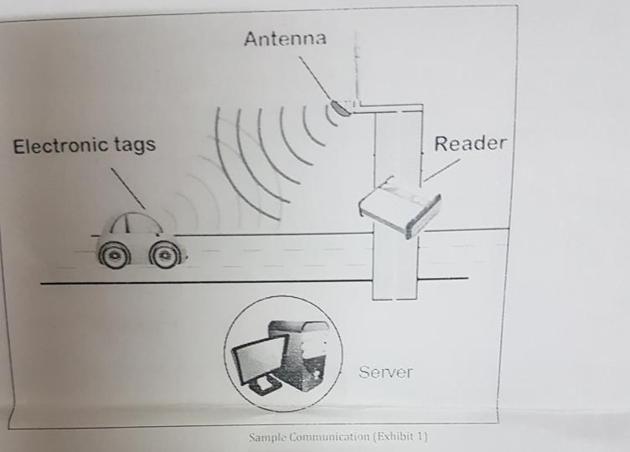
Under the proposed system, all the entry/exit points within the state will be equipped with UHF RFID readers to identify vehicles and transit the data of entry/exit in real-time to centralised RFID server at the command centre headquarters.
“All the entry and exit points will have poles erected on both the sides of the roads with RFID readers installed on it. Each reader will be equipped with data network. The data read from the UHF RFID tags will be communicated to the centralised RFID server,” said additional commercial tax commissioner Anjaney Kumar Singh.
{{/usCountry}}“All the entry and exit points will have poles erected on both the sides of the roads with RFID readers installed on it. Each reader will be equipped with data network. The data read from the UHF RFID tags will be communicated to the centralised RFID server,” said additional commercial tax commissioner Anjaney Kumar Singh.
{{/usCountry}}He said tax evaders were exploiting the existing system and declared the goods to be transited from the state of UP but delivered within the state resulting in loss of revenue to the government.
“The proposed system,” he claimed, “will put an effective check on the practice. The system will be later integrated with toll plazas as well.”
The system of manual entry/exit check-posts on the borders of UP was eliminated around 12 years ago during the Mulayam Singh Yadav government to promote fair trade and check corruption.
The department started a new transit system with the provisions of applying for web-based online transit in advance and using SMS-based text messages to notify their entry/exit from the state.
The traders exploited this system to their advantage since it depended on them if they want to use the service.
Meshram said the proposed system would go a long way in avoiding harassment of innocent traders in the name of checking.
“The RFID-based system will have no manual interface at all,” he said.