E-Paper



UPERC mulls ways to handle future rush of electric vehicles
The UP Electricity Regulatory Commission has started gearing up to deal with issues that are likely to arise when the operation of electric vehicles begins in a big way.

 Prefer HTon Google


The UP Electricity Regulatory Commission (UPERC) has started gearing up to deal with issues that are likely to arise when the operation of electric vehicles (EVs) begins in a big way.
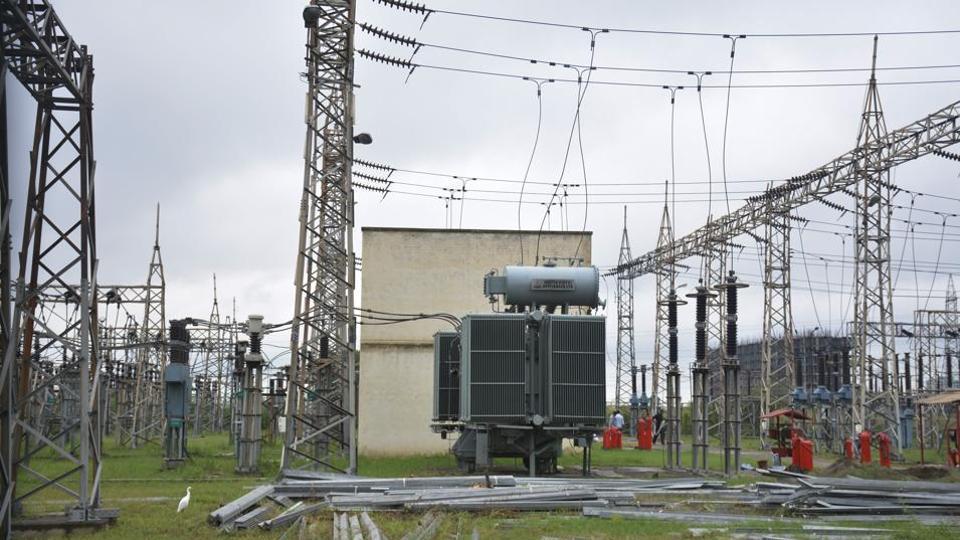
With the Centre giving all the push, electric vehicles are expected to penetrate the market and hit roads in the coming years.
Among the issues that the commission is to look into are fixation of tariff to be charged from the EVs as well as the public charging station (PCS) operators/owners and the possible impact on the power grid due to the increased electricity demand, among other things.
“We are organising a conference tomorrow (Monday) to have a comprehensive view of the relevant issues to arise from the operation of EVs during next 10 years or so,” a commission official said.
The conference on “Technosphere of EVs, charging infrastructure, power demand estimation and pricing issues” will comprise sessions on EVs in India – sustainable adoption of technologies & likely business models; charging infrastructure readiness, evolution and swapping of batteries and changing skill test; tariff, pricing and regulatory intervention; and will electric vehicles break the grid? – Demand estimation for Uttar Pradesh on a time horizon of 2030.
The UPERC move comes after the Union power ministry last month issued guidelines on charging infrastructure for EVs.
“While the electric vehicles have already started hitting roads in the state due to the central government taking multiple steps to promote manufacturing and adoption of such vehicles, availability of the requisite battery charging infrastructure remains a big challenge,” the official pointed out.
As per the guidelines, the charging activity has been made a de-licensed activity and any individual or agency can put up charging stations in residences or offices with the discoms providing electricity connection to them for the purpose for a tariff to be determined by the state electricity commissions.
But the guidelines have made this clear that the tariff must be affordable and come under the domestic category and also such tariff will not be more than the average cost of supply.
The guidelines further say that for heavy vehicles, like trucks and buses, the charging infrastructure would even be stronger with fast charging facility. Public charging stations are proposed to be set up every 25 km on both sides of the highways and roads. For buses and trucks or other vehicles on heavy duty, the charging stations are proposed to be set up every 100 km on both sides of the highways and expressways.
“The setting up of public charging stations will also create jobs and business opportunities in the state though it might create huge electricity demand making it difficult for discoms to manage,” said a UPPL official.