Did you know you could use discarded broccoli stems to whip up a carpaccio, recycle that leftover gavar sabzi as scrumptious chaat, and use green garlic to marinate meat?
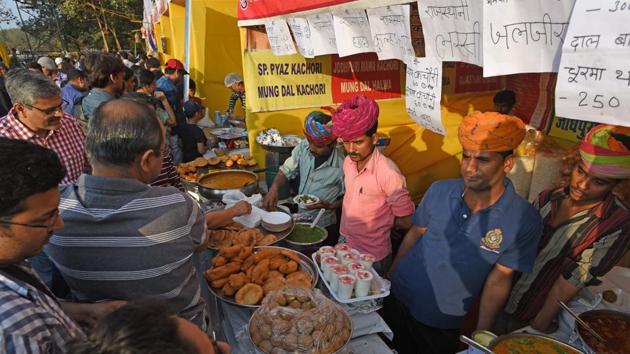
To find out how, make your way to the food workshops, masterclasses and talks being held as part of the Hindustan Times Kala Ghoda Arts Festival’s food section, powered by Bertolli.
The theme this year is Hara Bhara. “It reflects the festival’s overarching message of going green,” says section curator Roxanne Bamboat. “The emphasis is on mindful eating. We want to encourage people to focus on regional, local produce, and reduce waste in their kitchens.”
The line-up includes workshops by chef Thomas Zacharias (of The Bombay Canteen) on cooking with lesser-known Indian vegetables; author and food consultant Saee Khandekar’s showcase of modern Maharashtrian dishes; and chef Sandeep Sreedharan’s demo of vegetarian delicacies from India’s west coast.
“There is a misconception that coastal cuisine is limited to fish, crab and prawns,” says Sreedharan. “You’ll also find dishes starring pumpkin, purple yam, plantain and tapioca. In fact, many of them would be intrinsically vegan. I’ll share easy-to-cook recipes.”
Sessions by chef Varun Inamdar and chef-mixologist Arina Suchde will help you discover sustainable cooking practices. The former will focus on reusing leftovers; the latter, on oft-discarded parts of vegetables, like carrot skins and broccoli stems.
If you’re looking for fun yet healthy recipes to spruce up your child’s tiffin, head to Amrita Raichand’s workshop. “The festival’s theme resonates with my cooking philosophy of using natural ingredients. For instance, I use beetroot, spinach and carrot in my pasta recipe. I’ll share tips and tricks,” she says.
As you make your way to the workshops, expect to run into a lively mix of street performances.
{{/usCountry}}As you make your way to the workshops, expect to run into a lively mix of street performances.
{{/usCountry}}The highlight this year is set to be a Koli Parade (on February 4), featuring 25 artistes from the fishing communities of Mahim and Worli. Dressed in traditional outfits, they will march carrying a 25-ft-long, light-weight replica of a boat. “Kolis are the original inhabitants of Mumbai. It’s the first time we’re bringing them into the festival. They’ll sing songs and invite people to dance with them,” says street section curator Varsha Karale.
Rampart Row also promises to be a shopper’s delight, with an array of stalls curated under the theme, Springtime. “We have 74 stalls featuring small-scale entrepreneurs and artisans from Mumbai, Pune, Mysore, Manipur and West Bengal,” says section co-curator Vidula Warawdekar. Watch out for stalls selling Thanjavur paintings, ‘herbal jewellery’, trendy upcycled footwear and organic soaps and jams.
Among those looking forward to the performances, street art and shopping is Shreya Mehta, a freelance photographer from Surat who has timed her visits to Mumbai to coincide with KGAF for the past five years. “Each edition has had amazing installations and music performances. Last year, I also attended Alyssa Chesson’s ice-cream making workshop. I tried her salted caramel recipe back home and it came out very well,” Mehta says.
Stay updated with all the Breaking News and Latest News from Mumbai. Click here for comprehensive coverage of top Cities including Bengaluru, Delhi, Hyderabad, and more across India along with Stay informed on the latest happenings in World News.
Stay updated with all the Breaking News and Latest News from Mumbai. Click here for comprehensive coverage of top Cities including Bengaluru, Delhi, Hyderabad, and more across India along with Stay informed on the latest happenings in World News.