
 E-Paper



Use of helmets requires behavioural change: Mumbai transport commissioner
Hindustan Times interviewed transport commissioner Praveen Gedam about the rise in road accidents involving two-wheelers and the need to enforce the rule.

 Prefer HTon Google


Nine months after the Bombay high court made it compulsory for those driving two-wheelers and also pillion riders to wear helmets, there are still a large number of riders not following the rule. Hindustan Times interviewed transport commissioner Praveen Gedam about the rise in road accidents involving two-wheelers and the need to enforce the rule.
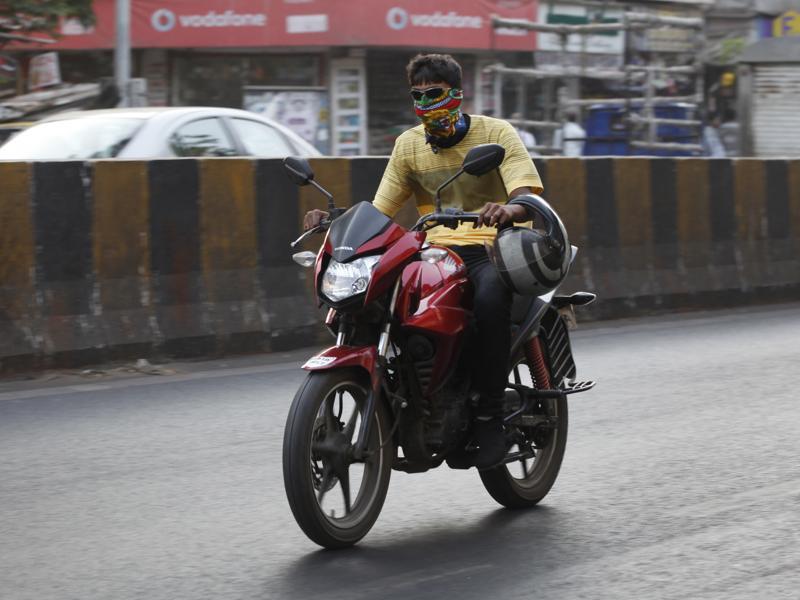
With more than 65,000 accidents annually, Maharashtra is among the states with the maximum number of road accidents. What is the government doing to reduce the number road accidents, especially involving two-wheelers?
We are working on three aspects to reduce road accidents: Structural engineering of roads, vehicle fitness and drivers’ skill set. We have already started issuing learning licences using a computerised system on the basis of the applicant’s knowledge. A permanent licence is issued based on skills .
The transport department has made the helmet rule mandatory at the time of two-wheeler registration and while obtaining a learning license, since January 2015. What is the status of this?
The declaration is compulsory while applying for a two-wheeler learning licence or registration. From February, 2016, it was made compulsory for both the person riding the bike and the pillion rider.
Although the RTO is also a law enforcement agency, we hardly see its presence on the road. They always give an excuse about the lack of manpower when it comes to enforcing rules.
Our 61 squads are working as expected. In fact, our flying squads have collected Rs345.50 crore in the last financial year for traffic violations from across the state. Besides, our law enforcement agency is supplementary to the traffic police. The responsibility of booking the offenders is primarily with the traffic police. However, certain cases are reported to us and we take action such as suspension of the driving licence.
Suggestions such as using CCTV cameras, RFID number platse and e-challans to curb traffic violations have still not been implemented. Why?
E-challan is already operational in Pune and by March 2017 it will be rolled out in the entire state. Once it is operational, the details of the offence and the offender will be recorded on a centralised server. The details will then be referred to the regional transport offices and traffic police for action.
Is the government planning any other steps to increase the use of helmets?
Soon, we will conduct a comprehensive campaign on road safety. Besides, traffic police are penalising bikers, who are not using helmets, which is also making a significant change. We see lots of people using helmet these days, but its behavioural change and will come only gradually.
Despite government directives, many two-wheeler dealers do not provide free helmets with bikes. Is the government going to take any steps against them?
So far we have not received any such complaint, but the people should complain about this to their regional transport officer (RTO) and we will take action against the dealer. I also insist that while signing the declaration, buyers should read the form and ensure they receive two helmets from the dealer .


