An Indian student at Harvard Law School is among those affected after the university stopped authorizing international Juris Doctor (J.D.) students to participate in its 13 externship clinics for the 2026–27 academic year, following new US federal guidance restricting off-campus work authorization.
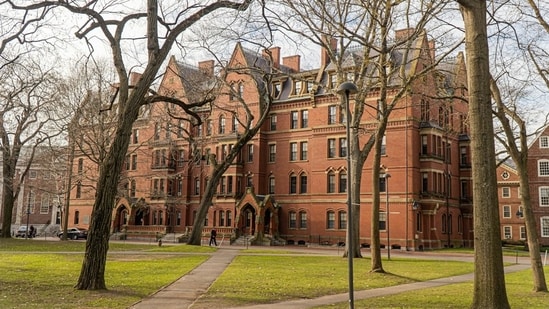
Tenzin Yonten, a second-year international student from India and co-president of Harvard Law’s student government, had been considering an externship before the change, The Harvard Crimson reported. The restriction could limit opportunities for international students to gain practical experience at government agencies, companies and non-profit organizations while completing their degrees.
The decision follows guidance issued in August by the US Department of Homeland Security’s Student and Exchange Visitor Program (SEVP), which said Curricular Practical Training (CPT) may be authorized only when practical training is required of all students in a degree program.
Also read: US universities could feel green card crackdown before Indian IT firms, expert warns
Why Harvard Law’s international students are affected
Harvard Law requires students to complete six credits of experiential learning. However, students can meet this requirement through in-house clinics, seminars or externships. Because external placements are not compulsory for every student, they no longer qualify for CPT authorization under the guidance described by The Harvard Crimson.
{{/usCountry}}Harvard Law requires students to complete six credits of experiential learning. However, students can meet this requirement through in-house clinics, seminars or externships. Because external placements are not compulsory for every student, they no longer qualify for CPT authorization under the guidance described by The Harvard Crimson.
{{/usCountry}}The restriction covers all 13 of the university’s externship clinics, which combine coursework with placements at outside organizations. Previously, international students were barred from some placements, including government positions requiring US citizenship, but could participate in other externships with CPT authorization.
Students enrolled in Harvard Law’s Master of Laws (LL.M.) programs are unaffected by this particular change because they were already ineligible for CPT, which requires at least one full academic year of enrolment.
Also read: Trump administration's green card restrictions: Are Indian H-1B workers among those most at risk?
OPT offers an alternative, but students face a trade-off
Affected J.D. students may still apply for pre-completion Optional Practical Training (OPT), a separate federal work authorization that allows eligible international students to undertake work related to their field of study.
However, using OPT before graduation can reduce the time available for authorized employment after completing a degree. Eligible students can generally receive up to 12 months of OPT, subject to applicable rules.
Harvard Law Associate Dean for Academic Programs Meredith Boak said the school had contacted F-1 students and was offering individual advising to those unable to pursue externships. Students have also been directed towards the university’s in-house clinical program, which offers 25 options.
Yonten said the student government hoped to compile information from the Harvard International Office and other advising resources to help affected students navigate the change. He also expressed hope that the restrictions would not become permanent.
The decision highlights how changes to US employment rules can affect international students’ access to professional training, even at leading universities, potentially forcing them to reconsider how they gain practical experience before entering the job market.