Venkata Vasamsetty, an Indian-origin teacher and longtime US green-card holder, was detained by Immigration and Customs Enforcement during a scheduled check-in in North Carolina on August 11.
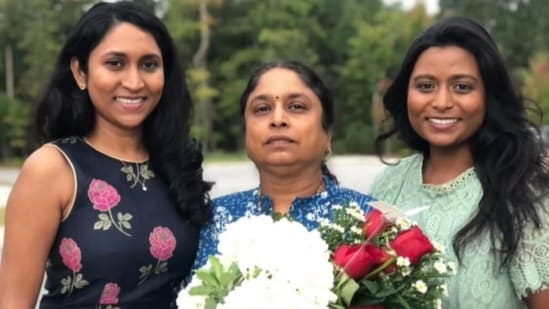
Her detention came months after an immigration judge had dismissed the government's earlier removal case against her, as per Newsweek report. The case stems from her extended stay in India in 2022, where she had travelled to care for her ailing parents before contracting COVID-19 and facing further health complications that delayed her return to the US Vasamsetty's family.
Here are five things to know about Vasamsetty:
1. She has lived in the US for 27 years
Vasamsetty has lived in the United States for 27 years and became a lawful permanent resident in 2013, according to immigration attorney Zoe Wilson, whom Newsweek identified as a friend and former colleague of Vasamsetty's daughter.
She lives in North Carolina and works with special-needs students.
{{/usCountry}}She lives in North Carolina and works with special-needs students.
{{/usCountry}}Wilson said Vasamsetty has no criminal history and has maintained lawful immigration status since becoming a green-card holder.
2. She is a mother and grandmother
Vasamsetty has two US citizen children and two US citizen grandchildren, according to Wilson.
Her family ties to the United States are among the circumstances her attorney has cited in disputing the government's allegation that she abandoned her permanent-resident status.
Wilson also said Vasamsetty is severely diabetic and requires glucose monitoring and medical care.
3. She went to India to care for her parents
Vasamsetty travelled to India in July 2022 to care for her elderly and ill parents, according to her attorney and Wilson.
Her return to the US was delayed after she contracted COVID-19 and was hospitalized in India for nearly two weeks. Further medical problems subsequently made it difficult for her to undertake the long international journey back to the United States.
She eventually returned in February 2023, roughly seven months after leaving.
The length of that absence became central to the government's allegation that Vasamsetty had abandoned her lawful permanent residence.
Her family and lawyer disputed the allegation, arguing that she continued to maintain substantial connections to the United States, including her family, employment and home.
4. She was detained after an earlier immigration case was dismissed
The government's earlier removal proceedings against Vasamsetty were dismissed by an immigration judge on May 19, 2026, according to Newsweek.
Her attorney said the Department of Homeland Security had failed to meet a court-imposed deadline to submit evidence supporting its case.
Vasamsetty nevertheless continued reporting for scheduled ICE check-ins.
Her attorney said she appeared at the ICE office in Charlotte on July 11 and was instructed to return on August 11.
When she returned for that appointment, ICE arrested her.
A DHS spokesperson told Newsweek that ICE arrested Vasamsetty on August 11, describing her as an Indian national being charged as removable for allegedly abandoning her lawful permanent residence.
DHS said she would receive due process and remain in ICE custody pending the outcome of her removal proceedings.
5. Her detention is now being challenged in federal court
Following her arrest, Vasamsetty's legal team filed an emergency habeas corpus petition challenging her continued detention at the Irwin County Detention Center in Georgia.
A federal judge ordered immigration authorities on August 13 to explain the legal basis for keeping Vasamsetty in custody, according to Newsweek.
The judge said the court would consider whether to schedule a hearing after immigration authorities submitted their response and supporting evidence.
As of August 18 update, Vasamsetty remained in ICE custody in Georgia.
Why her green card status matters
A green card gives a lawful permanent resident the right to live permanently in the United States, but permanent residents can still face removal proceedings in certain circumstances.
According to USCIS permanent residents are generally free to travel outside the US and that temporary or brief travel normally does not affect their status.
However, authorities can determine that a permanent resident has abandoned their status if they conclude that the person did not intend to make the United States their permanent home.
Spending more than 180 days outside the country can also lead to additional scrutiny over a permanent resident's ties and intentions.