E-Paper


US ICE to put every field agent on camera by August end: Why the agency is accelerating its body cam rollout
US ICE will complete its rollout of body-worn cameras by end of this month, earlier than planned.

 Prefer HTon Google


US Immigration and Customs Enforcement (ICE) will complete its nationwide rollout of body-worn cameras by the end of August, Acting Director David Venturella said Saturday, bringing the program to field officers and agents earlier than the agency’s original schedule.
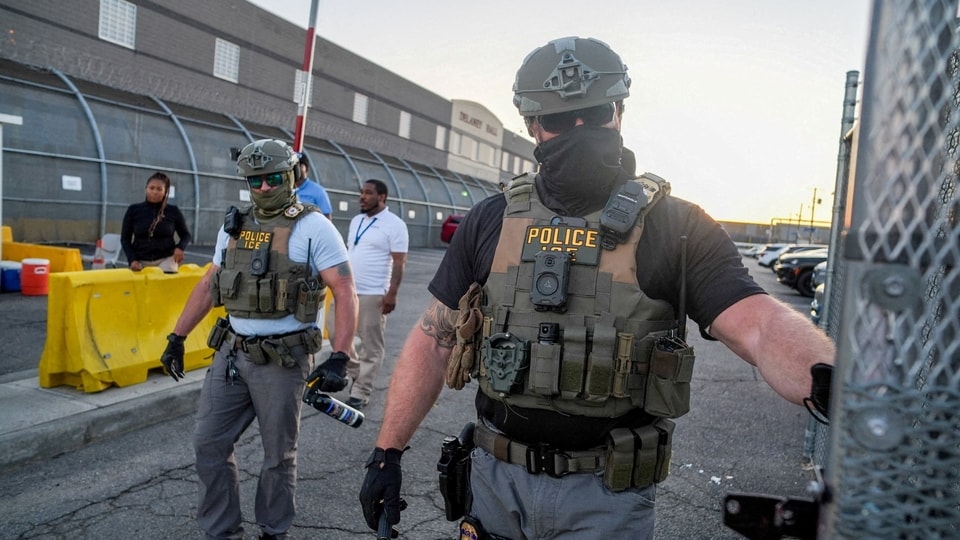
The accelerated rollout comes after a series of deadly encounters involving immigration enforcement officers intensified scrutiny over the use of force and the absence of body cameras during some operations.
Venturella said every ICE officer and agent working in the field will have a body-worn camera by the end of August. The agency’s move follows months of pressure over transparency and accountability during the Trump administration’s immigration crackdown.
Why ICE is speeding up the body camera rollout
The push gained urgency after two US citizens were killed during an immigration enforcement crackdown in Minnesota. In February, then-Department of Homeland Security Secretary Kristi Noem said ICE’s body camera program would be expanded nationwide as funding became available.
The issue resurfaced last month after fatal shootings during traffic stops in Maine and Texas sparked protests. The incidents also raised questions about why ICE agents involved in such encounters were not equipped with body cameras.
Trump administration border czar Tom Homan subsequently said ICE officers would be required to record vehicle stops with at least one body camera.
Against that backdrop, ICE is now moving to complete the rollout across its field workforce by the end of August.
What happens to body camera footage?
The cameras are expected to provide a record of encounters between immigration officers and members of the public, while also giving the agency material to review incidents involving its personnel.
ICE policy allows footage to be released on an expedited basis when appropriate after a serious injury or the death of someone in custody, Venturella said.
The agency can, however, withhold footage when releasing it could compromise an investigation or violate privacy considerations.
That means the completion of the rollout will not necessarily mean all recordings become public. Access to footage will continue to depend on ICE policy and the circumstances surrounding individual cases.
What the rollout means for ICE operations
Once the rollout is completed, every ICE officer and agent working in the field is expected to have access to a body-worn camera.
The move comes as the Trump administration continues an aggressive immigration enforcement campaign across the United States. ICE operations have faced growing public scrutiny, particularly over encounters involving force, arrests and traffic stops.
The body camera program is intended to provide a record of those interactions and increase accountability, but the policy governing when footage can be released means questions about transparency are likely to continue.
(With inputs from agencies)