Imagine yourself 14 years old, experiencing dysphoria in your body and gender expression that is triggering violence and repression at home.
You meet a sympathetic community outside but the law of the land ties you to your natal family. You try and get a certificate to convince the courts but the medical officer doesn’t think you look transgender. The hearings drag out over months, even years, draining you of resources, energy and even life.
This could well be the fate of a new generation if a new bill passes.
The legislation, originally aimed to empower India’s transgender community, is increasingly looking like a bureaucratic noose around trans and gender non-conforming people if the officialese that sets up vague and confusing guidelines isn’t urgently clarified.
A new report by a parliamentary standing committee, which was looking into the draft transgender rights bill introduced last year, attempts to set right some of these problems. The heart of the committee, led by senior BJP parliamentarian Ramesh Bais, appears to be in the right place. For a country that criminalises homosexuality, it is striking that the report opens with an affirmation of alternative genders and sexual orientations and goes on to admonish homophobia – a stricture that could well shame many members of the ruling party.
The report ends by calling for not just legal, but civil rights for the transgender community such as marriage – a welcome realisation that people cannot live with dignity while being criminalised by both the society and the State.
{{/usCountry}}The report ends by calling for not just legal, but civil rights for the transgender community such as marriage – a welcome realisation that people cannot live with dignity while being criminalised by both the society and the State.
{{/usCountry}}The report also pushes back on the definition of transgender in the original draft – not wholly female nor wholly male; a combination of female or male; neither female nor male – that many activists deemed offensive and dangerous. But the panel doesn’t do enough to create an alternative definition or broaden the ambit to include as many kinds of identities and expressions as possible.
But troublingly, the panel takes the same line as the government on the need for a screening committee to certify transgender people. The committee appears obsessed with the potential for misuse of trans certificates, as if social stigma and socio-economic barriers aren’t deterrents enough.
Worse, the report endorses the need for a medical officer on the panel – a recommendation at odds with the Supreme Court’s to let trans people self identity and a global move away from biological determinism of gender through inspection of genitalia. The recommendations can lead to the creation of a massive bureaucracy that will boost gate-keeping, corruption and favouritism and force the most underprivileged to compete for meagre resources.
The panel also doesn’t strike down a clause in the bill that criminalises beggary; instead, it aims to punish organised syndicates. But there is no clarity on how police will enforce this crackdown without arresting and harassing common trans folk begging on the streets. In the absence of adequate provisions guaranteeing employment and education, such a move can wreak havoc on vulnerable populations.
Neither is the clause forcing trans children to stay with natal families addressed adequately. The committee introduces courts into the mix, and calls for recognising alternative structures of care, but doesn’t go far enough to recognise families as the primary site of violence for transfolk.
The report came through a process of widespread consultations and long deliberations, the positives of which are seen in the call to define discrimination, add more teeth to grievance redressal mechanisms and affirmative action for transpeople in jobs and education.But the spectre of bureaucracy looms large.
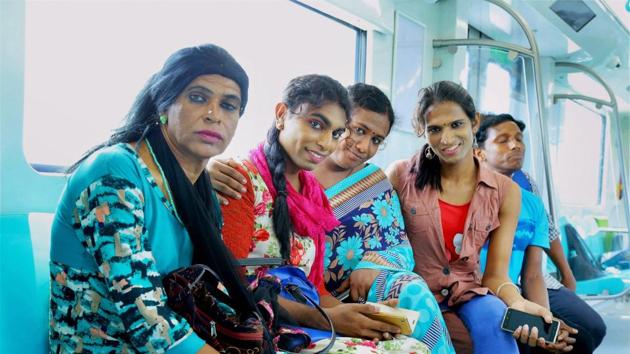
In 2014, the Supreme Court’s landmark judgement in Nalsa vs Union of India laid down the rights of transpeople that are necessary to lead a life of dignity and respect. Three years on, little has changed on the ground, despite significant focus and media coverage, and the culprit is the government. Trans employees are scarce, their housing difficult and their educational barriers formidable – as exemplified by trans employees of the Kochi Metro who were forced to quit because no one would rent them an apartment.
All this can change with new legislation and a government push. The committee’s nod to homosexuality and trans identities is significant, a sign of changed thinking in the ruling establishment and an acknowledgment of how the country, and indeed the world, has moved past a climate of hostility for different genders and sexualities. It is also time, then, to walk the talk on these pledges and ensure trans citizens don’t get their lives entangled in babudom and mothballed files.
No country can progress by leaving a section of its population behind on the basis of conservatism and hate. There has been plenty of signalling on Section 377 that criminalises many of us -- from even the RSS chief -- but little action. The government should ensure the full gamut of rights are available for all of its citizens: Gay, lesbian, bisexual, transgender, queer or others. For the mature democracy that India claims to be, it shouldn’t be this difficult.