
 E-Paper



Photos: Dive into the enchanting world of multiverse films
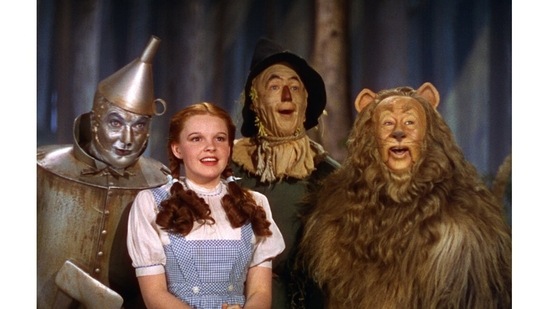
We've had parallel universes and alternate dimensions in fiction for decades. And while these ideas were popularised by the mind-bending adventures of comic-book superheroes, there’s a wealth of tales that exist today outside the Marvel and DC multiverses. Take a look.
Published on: Dec 2, 2022 1:28 PM IST


Share via


Copy link

1/10

 View Photos in a new improved layout
Published on Dec 2, 2022 1:28 PM
Everything Everywhere All At Once (2022): The movie explores the many dimensions of parenthood and love through the story of a Chinese-American immigrant named Evelyn Wang (played by Michelle Yeoh) who, while struggling to run a failing laundromat business, uses her newfound powers to travel across multiple realities to save the world and work on her strained relationships with her loved ones. It’s a family drama that’s fast-paced, funny and, above all, tackles earnestly the idea of healing from intergenerational trauma. (Image Courtesy: A24 )
2/10
 View Photos in a new improved layout
Published on Dec 2, 2022 1:28 PM
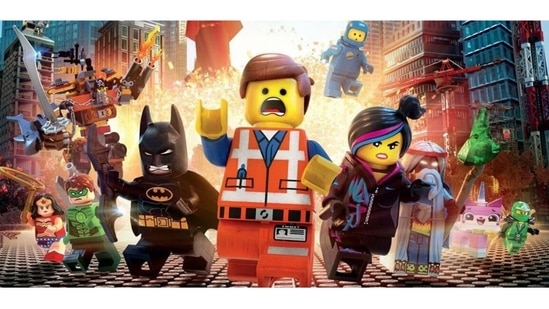
The Lego Movie (2014): There’s a world of possibilities in the story starring Lego construction toys. Emmet (Chris Pratt) and Wyldstyle (Elizabeth Banks) go dimension-hopping through worlds with names such as Old West, Cloud Cuckoo Land and Middle Zealand, all to stop a tyrannical businessman from freezing our world using a tube of glue. (Image Courtesy: Warner Bros)
3/10
 View Photos in a new improved layout
Published on Dec 2, 2022 1:28 PM
Coherence (2013): The sci-fi/ psychological thriller follows eight friends at a reunion dinner party who experience strange events as a passing comet splits their reality in two. Chaos ensues as everyone must now kill their doppelgängers in order to be the last version standing when the comet moves on. (Image Courtesy: Bellanova Films, Ugly Duckling Films)
4/10
 View Photos in a new improved layout
Published on Dec 2, 2022 1:28 PM
Another Earth (2011): A promising MIT astrophysicist, Rhoda Williams (Brit Marling), distracted by the appearance of another Earth in the night sky, crashes her car, causing a musician to lose his pregnant wife and lapse into a coma. Haunted by guilt and regret, Williams travels to another version of Earth where the accident never occurred. (Image Courtesy: Artists Public Domain)
5/10
 View Photos in a new improved layout
Published on Dec 2, 2022 1:28 PM
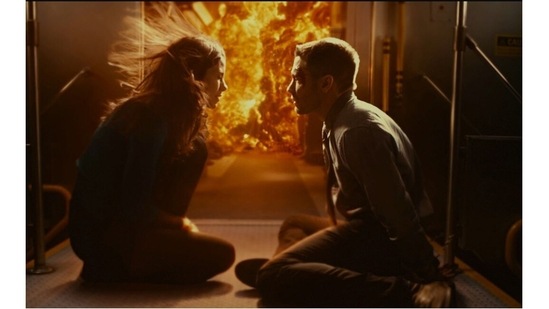
Source Code (2011): In this sci-fi film, a US Army Captain named Colter Stevens (Jake Gyllenhaal) is trying to prevent a train bombing, using an experimental machine called Source Code that allows him to access parallel universes. As the machine helps him enter each new reality, he must try to track down the bomber before his time runs out. (Image Courtesy: Summit Entertainment)
6/10
 View Photos in a new improved layout
Published on Dec 2, 2022 1:28 PM
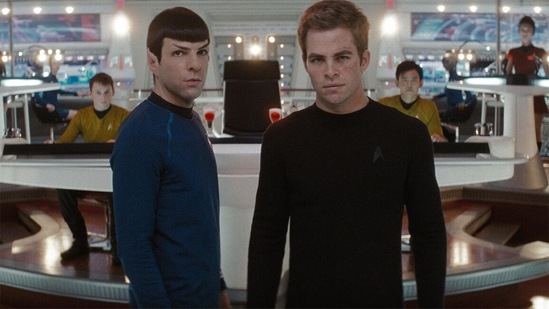
Star Trek (2009): JJ Abrams’s Star Trek reboot explores the multiverse by setting the film in the Kelvin timeline, an alternate universe to the Prime Star Trek one, in order to maintain continuity. Here Spock Prime (Leonard Nimoy) helps the alternate Captain Kirk (Chris Pine) fight the evil Nero (Eric Bana), who created the Kelvin timeline after travelling through a black hole. (Image Courtesy: Spyglass Entertainment, Bad Robot Productions)
7/10
 View Photos in a new improved layout
Published on Dec 2, 2022 1:28 PM
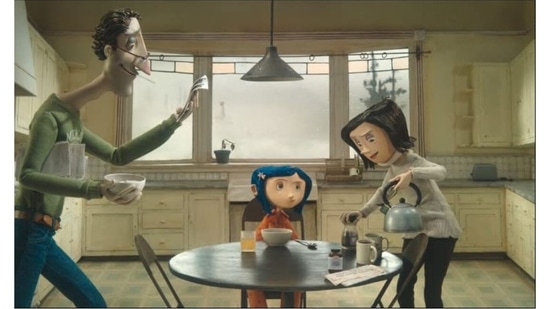
Coraline (2009): An adaptation of Neil Gaiman’s award-winning 2002 novel, this children’s horror story follows Coraline (Dakota Fanning) as she discovers a magical door that’s a portal into an ideal alternate reality that closely mirrors her own. Here, her parents are cooler (though they have buttons for eyes). Things take a dark turn when she finds she is unable to leave and return to her real parents. (Image Courtesy: Laika, Pandemonium Films)
8/10
 View Photos in a new improved layout
Published on Dec 2, 2022 1:28 PM
The One (2001): Jet Li stars as a cop on a mission through several complex, alternate realities, where he must track down and kill 124 versions of himself and absorb their life power. Through his interdimensional travels, the protagonist is forced to debate within himself ideas of good and evil. (Image Courtesy: Columbia Pictures, Revolution Studios, Hard Eight Pictures)
9/10
 View Photos in a new improved layout
Published on Dec 2, 2022 1:28 PM
Sliding Doors (1998): This romantic comedy plays out across two realities as the protagonist, Helen Quilley (Gwyneth Paltrow), sees her life altered forever based on whether she catches or misses a train. Will she catch her cheating boyfriend, stay in a toxic relationship, be drawn into or escape a downward spiral? (Image Courtesy: Intermedia, Mirage Enterprises)
10/10
 View Photos in a new improved layout
Published on Dec 2, 2022 1:28 PM


