
 E-Paper



Photos: Two Australian national parks offer lessons, surprises, delights
Kakadu and Litchfield, in Northern Territory, Australia, are home to rare animals and birds, ancient art, rockfaces and a community of Aborigines who hold on to the old, old ways
Published on: Aug 27, 2022 1:37 PM IST


Share via


Copy link

1/7
 View Photos in a new improved layout
Published on Aug 27, 2022 1:37 PM
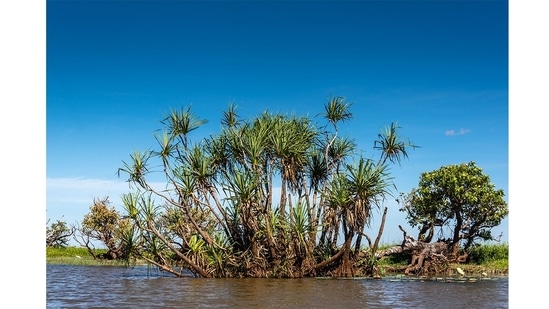
The Mary River wetlands in Australia’s Northern Territory, are located 150 km east of Darwin. There’s profusion of wildlife: whistling duck, pygmy goose, lotus lilies, kookaburras, and saltwater crocodiles in groups of twos and threes. (Picture courtesy: Sonia Nazareth)
2/7
 View Photos in a new improved layout
Published on Aug 27, 2022 1:37 PM
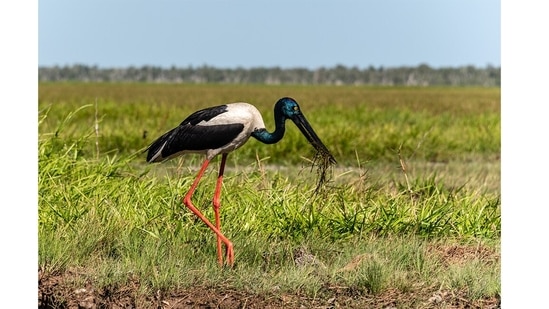
You can glimpse the Jabiru or the black-necked stork along the wetlands as you go past. (Picture courtesy: Sonia Nazareth)
3/7
 View Photos in a new improved layout
Published on Aug 27, 2022 1:37 PM
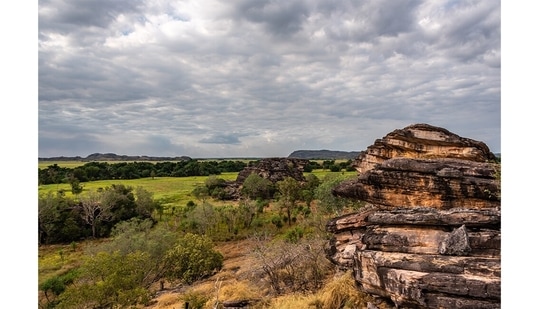
Kakadu National Park, about half an hour’s drive away is where stony plateaus meet waterfalls and red cliffs. Several aboriginal clans still call the park home, making it a living cultural landscape. (Picture courtesy: Sonia Nazareth)
4/7
 View Photos in a new improved layout
Published on Aug 27, 2022 1:37 PM
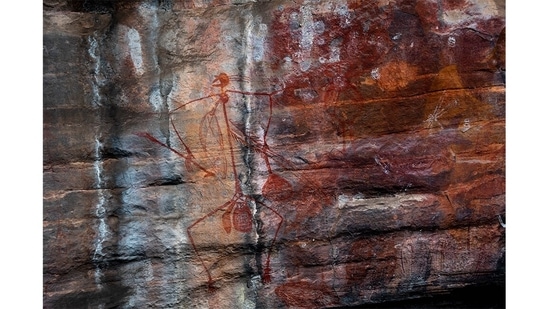
The park is also home to one of the largest concentrations of ancient rock art in the world, including the 20,000-year-old paintings at Ubirr. This panel shows instructions in how to use weapons for protection. (Picture courtesy: Sonia Nazareth)
5/7
 View Photos in a new improved layout
Published on Aug 27, 2022 1:37 PM
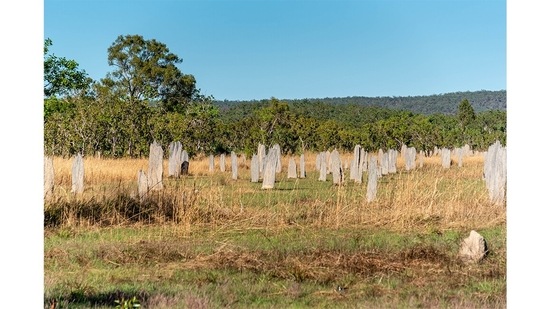
A two-hour drive away, in the Litchfield National Park, there are waterfalls and gorges. But the star attraction are the giant magnetic termite mounds, so named because their fronts all face north. (Picture courtesy: Sonia Nazareth)
6/7
 View Photos in a new improved layout
Published on Aug 27, 2022 1:37 PM
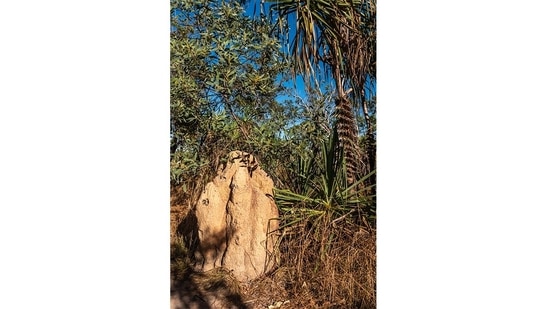
From a distance, the outcrop of mounds looks almost like a cemetery. But look closer, each termite mound is made of soil, saliva and dung, rising up to two metres high. (Picture courtesy: Sonia Nazareth)
7/7
 View Photos in a new improved layout
Published on Aug 27, 2022 1:37 PM


