
 E-Paper



Photos: Fasts and feasts on the first day of Ramzan around the world
The world’s nearly 1.8 billion Muslims have welcomed the holy month of Ramzan and completed the first day of what constitutes a month of fasting. During this period, Muslims will be undertaking personal endeavors in refraining from eating, drinking even water, cutting away from vices, and abstinence between sunrise to sunset. As one of the five pillars of Islam, fasting during Ramzan is accompanied with spiritual reflection, worship and acts of charity. The month culminates with the three day holiday of Eid-ul-Fitr.
Updated on: May 18, 2018 2:14 PM IST

Share via


Copy link

1/16

 View Photos in a new improved layout
Updated on May 18, 2018 2:14 PM
Muslim men read the Quran on the first day of the fasting month of Ramadan at a mosque in Brooklyn, New York. The world’s nearly 1.8 billion Muslims have begun observing a month of dawn-to-dusk fasting and prayers. (Gabriela Bhaskar / REUTERS)
2/16
 View Photos in a new improved layout
Updated on May 18, 2018 2:14 PM
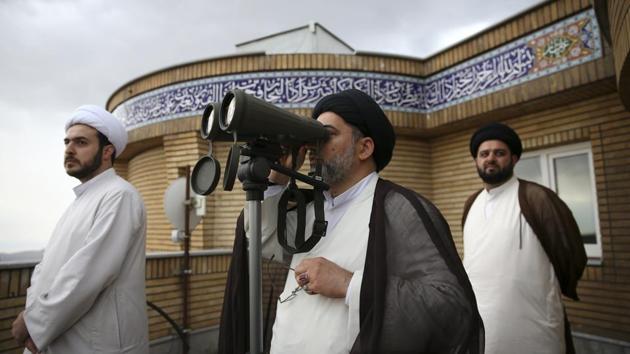
A cleric looks through binoculars for the new moon that signals the start of the Islamic month of Ramadan, at the Imam Ali observatory in Qom, Iran. Some prefer the many advances in technology for predicting the sighting; others would rather stick to tradition, relying on the naked eye. (Vahid Salemi / AP)
3/16
 View Photos in a new improved layout
Updated on May 18, 2018 2:14 PM
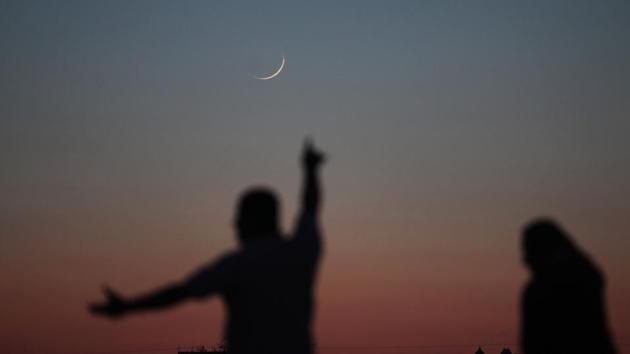
A Palestinian man points towards the moon in its Crescent form in Khan Yunis in the southern Gaza Strip. Once the start of the holy month is declared, Muslims share greetings such as “Ramadan kareem” and “Ramadan mubarak” via text messages, calls and emails to family and friends. (Said Khatib / AFP)
4/16
 View Photos in a new improved layout
Updated on May 18, 2018 2:14 PM
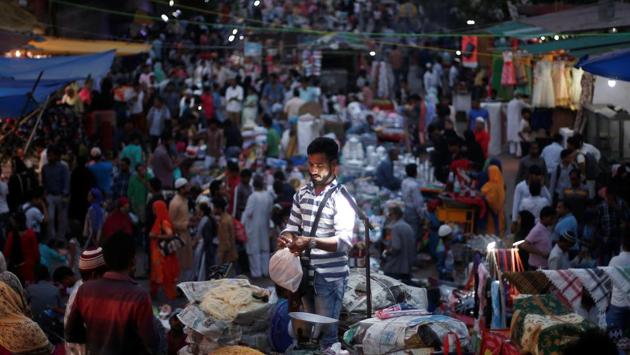
A vendor packs up vermicelli for a customer outside the Jama Masjid in Old Delhi, India. The month brings markets alive especially in the evenings with sweetmeats and trinkets of all sorts. To prepare for the fast, Muslims wake in the night for a pre-dawn meal called “suhoor.” (Adnan Abidi / REUTERS)
5/16
 View Photos in a new improved layout
Updated on May 18, 2018 2:14 PM
A man reads the Koran at the Grand Mosque in Sanaa, Yemen. Fasting during Ramzan is accompanied with spiritual reflection, worship, abstinence and acts of charity. (Mohamed al-Sayaghi / REUTERS)
6/16
 View Photos in a new improved layout
Updated on May 18, 2018 2:14 PM
A man prepares cookies at a small traditional factory in Kabul, Afghanistan. Ramzan favourites like dates and vermicelli are supplemented by local treats associated with either the suhoor or fast-breaking iftar meals in almost every country and region. (Mohammad Ismail / REUTERS)
7/16
 View Photos in a new improved layout
Updated on May 18, 2018 2:14 PM
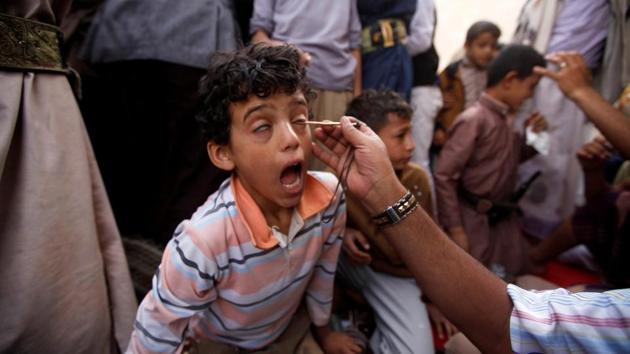
A boy gets kohl applied to his eyelids in Sanaa, Yemen as a traditionally popular protection against eye ailments and applied in emulating a practice followed by Prophet Muhammad. (Mohamed al-Sayaghi / REUTERS)
8/16
 View Photos in a new improved layout
Updated on May 18, 2018 2:14 PM
Women recite the Quran in Brooklyn. Ramzan also sees congregations and greater personal endeavours towards understanding faith and the teachings of Islam. The recitation of the Quran is frequent and done throughout the day. (Gabriela Bhaskar / REUTERS)
9/16
 View Photos in a new improved layout
Updated on May 18, 2018 2:14 PM
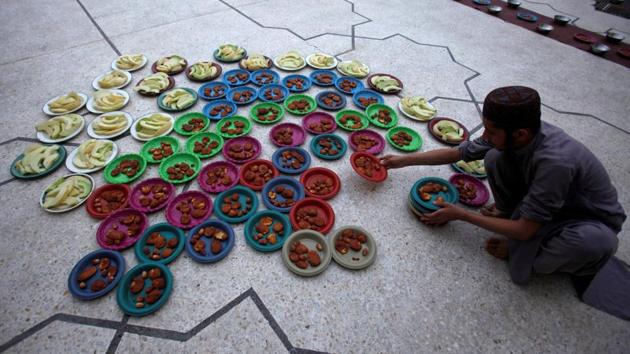
A man arranges food plates for iftar at a mosque in Peshawar, Pakistan. Muslims traditionally break their fast like the Prophet Muhammad did some 1,400 years ago, with a sip of water and some dates at sunset. (Fayaz Aziz / REUTERS)
10/16
 View Photos in a new improved layout
Updated on May 18, 2018 2:14 PM
Sometimes the hours between dawn an dusk can really feel like an eternity. But that’s part of controlling one’s ego and desires. (Osman Orsal / REUTERS)
11/16
 View Photos in a new improved layout
Updated on May 18, 2018 2:14 PM
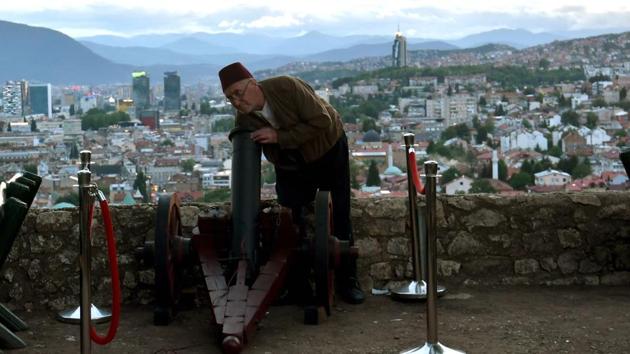
Sirens, calls from the mosque or the percussion round fired from a mortar, in the old town of Sarajevo, Bosnia at sunset mark the end of the day’s fasting. In many cities in the Muslim world, volunteers wake the faithful for suhoor by marching through the pre-dawn streets chanting and beating drums. (Elvis Barukcic / AFP)
12/16
 View Photos in a new improved layout
Updated on May 18, 2018 2:14 PM
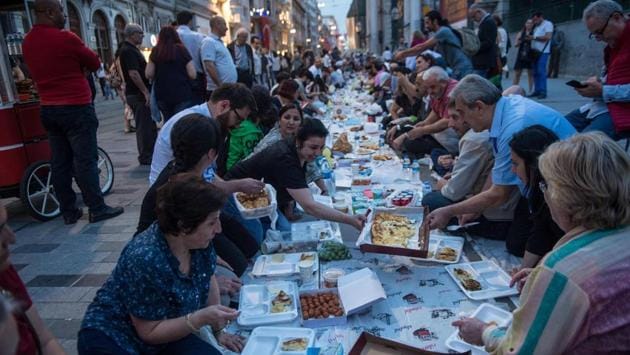
People break their fast near Taksim Square in Istanbul, Turkey. Iftar is a social event as much as it is a gastronomical adventure. (Yasin Akgul / AFP)
13/16
 View Photos in a new improved layout
Updated on May 18, 2018 2:14 PM
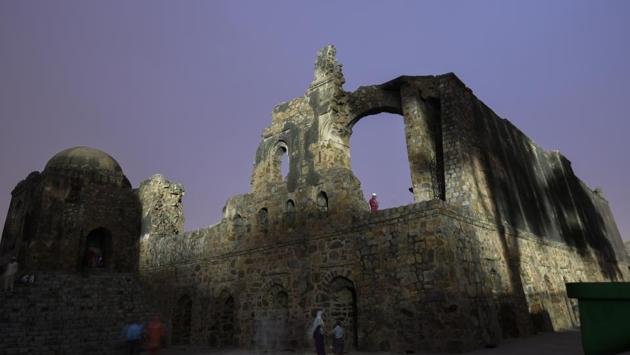
A Muslim man offers post-sunset Maghrib prayers after breaking his fast at Feroz Shah Kotla Mosque in New Delhi. (Burhaan Kinu / HT Photo )
14/16
 View Photos in a new improved layout
Updated on May 18, 2018 2:14 PM
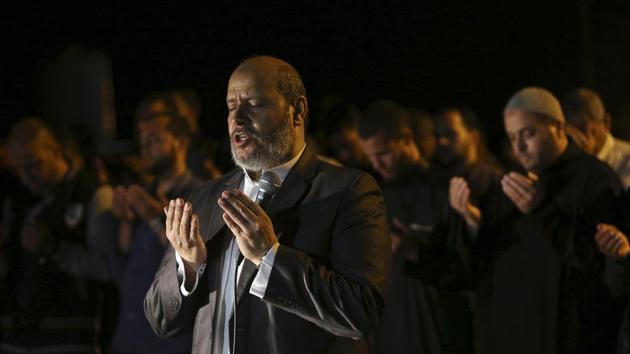
Another hallmark of Ramadan is nightly prayer at the mosque among Sunni Muslims called “tarawih.” Hamas leader Khalil al-Hayya is seen here leading the prayer outside the tents of the protest camp near the Israeli border east of Gaza City. (Adel Hana / AP)
15/16
 View Photos in a new improved layout
Updated on May 18, 2018 2:14 PM
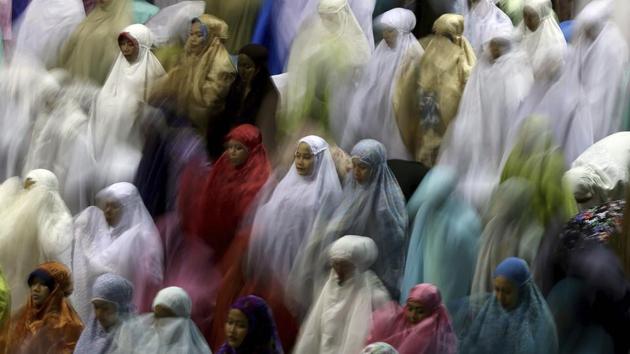
Women offer the tarawih at Istiqlal Mosque in Jakarta, Indonesia. The month is a way to physically and spiritually purify. Many spend more time at mosques during Ramadan and use their downtime to recite the Quran. (Tatan Syuflana / AP)
16/16
 View Photos in a new improved layout
Updated on May 18, 2018 2:14 PM


