
 E-Paper



Photos: Yakshagana, a fantasy dance drama from Karnataka
Tales from the Mahabharata Ramayana or Puranas, costumed dancers and similarities to Kathakali abound, but the Yakshagana, a dance and oral performance theatre combining dance, music, dialogue, costume, make-up, and stage techniques has an identity and position unique to itself in Karnataka andneighbouring Kerala’s Kasargod distrct. Five centuries of recorded history have seen it go from temple origins to a commercial art form, but pieces can still go all night and often have actors breaking into soliloquies and philosophical debates –mid performance, method acting style.
Updated on: Oct 25, 2018 9:29 AM IST

Share via


Copy link

1/8
 View Photos in a new improved layout
Updated on Oct 25, 2018 9:29 AM
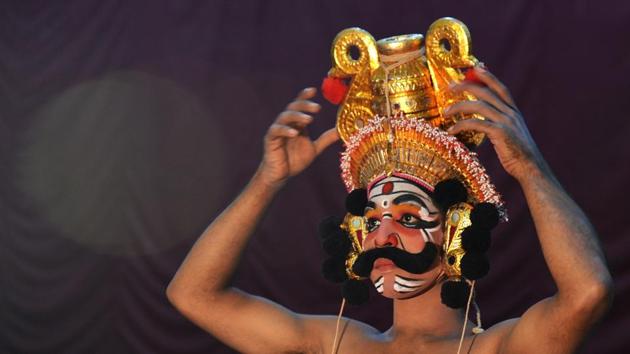
A “Yakshagana” artist prepares prior to a performance in a theatre in Bangalore. A literal compound of yaksha (nature spirit) and gana (song or praise), Yakshagana is a form of theatre indigenous to Karnataka and also performed in Kerala’s Kasargod district. It has a recorded history of at least five centuries as a distinct art form. (Manjunath Kiran / AFP)
2/8
 View Photos in a new improved layout
Updated on Oct 25, 2018 9:29 AM
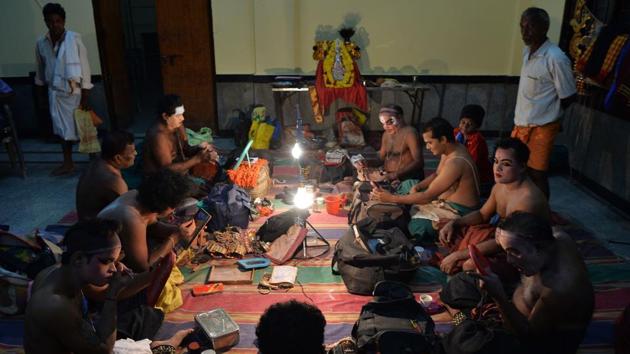
A troupe prepares backstage ahead of a performance. Traditionally presented from dusk to dawn, Yakshagana performances use song, dance, dialogue and theatrics to present tales from classical epics like Mahabharata, Ramayana and other Hindu and Jain texts. Performances begin with a preliminary prayer to Ganesha in the dressing room. (Manjunath Kiran / AFP)
3/8
 View Photos in a new improved layout
Updated on Oct 25, 2018 9:29 AM
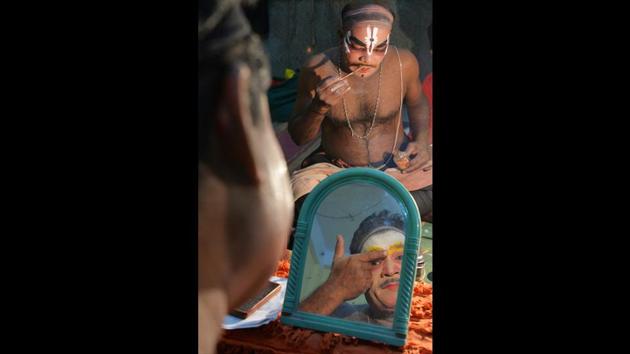
Regional variations exist within the umbrella of Yashagana. The two most popular styles are tenkutittu, prevalent along the coastal south of Karnataka and Kasargod in Kerala, which shows a strong influence of Carnatic music and the use of the maddale drum. The other is Badagutittu, popular in Uttara Kannada, and pays emphasis to facial expressions, dialogue and uses the chande drum. (Manjunath Kiran / AFP)
4/8
 View Photos in a new improved layout
Updated on Oct 25, 2018 9:29 AM
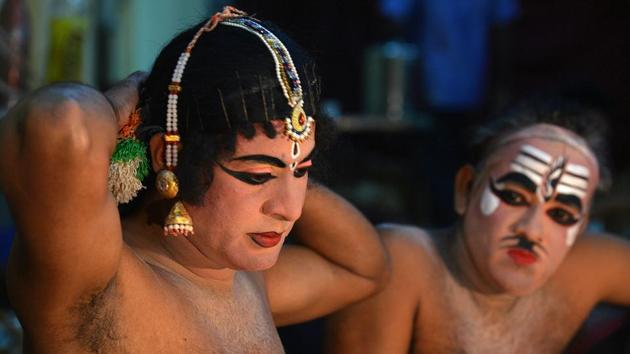
The events or prasangas enacted in a performance are often loosely strung episodes adapted from the texts and narrated by a Bhagavata or chief singer in the troupe. Each prasanga contains poetry, dialogue, prose and even philosophical debates in character. The freewheeling performances do not follow strict metre, rhymes or arrangement of elements within a narrative. (Manjunath Kiran / AFP)
5/8
 View Photos in a new improved layout
Updated on Oct 25, 2018 9:29 AM
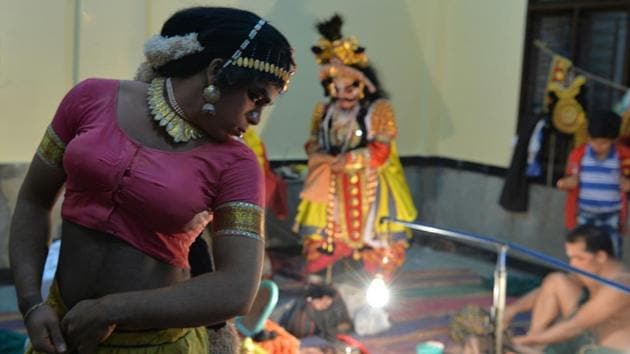
Performances following in tradition still have male actors portraying female roles, as troupes in centuries past were attached to temple complexes. The entry of women into Yakshagana troupes, newer themes and interpretations as well as commercial performances are all developments of the 20th century. (Manjunath Kiran / AFP)
6/8
 View Photos in a new improved layout
Updated on Oct 25, 2018 9:29 AM
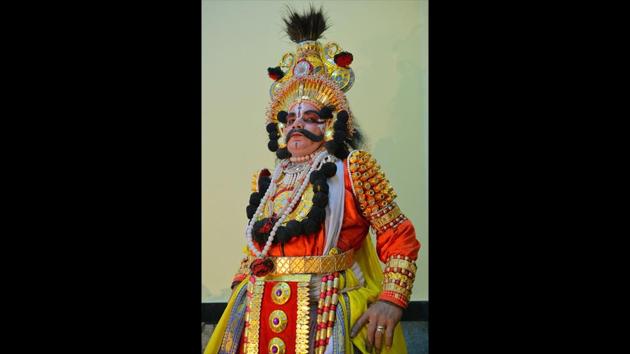
An actor in a king’s costume (raja vesha). Traditionally costume pieces have been made out of light wood wrapped in coloured foil, used mirrors and coloured stones while newer materials may be used now. Of note are the Yakshagana headgear, chestplates and armbands. Costumes use tones of red, orange and yellow in abundance. (Manjunath Kiran / AFP)
7/8
 View Photos in a new improved layout
Updated on Oct 25, 2018 9:29 AM
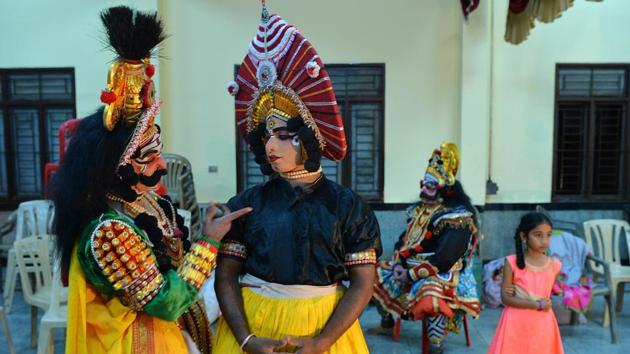
Artists backstage before a performance. Training is often years long and in the form of an apprenticeship. The method of instruction is observational, and the student takes on roles, growing from a minor stage presence to male or female leads depending on aptitude and oratory prowess. Actors branch out into specialist roles depending on improvisation skills and physical attributes. (Manjunath Kiran / AFP)
8/8
 View Photos in a new improved layout
Updated on Oct 25, 2018 9:29 AM


